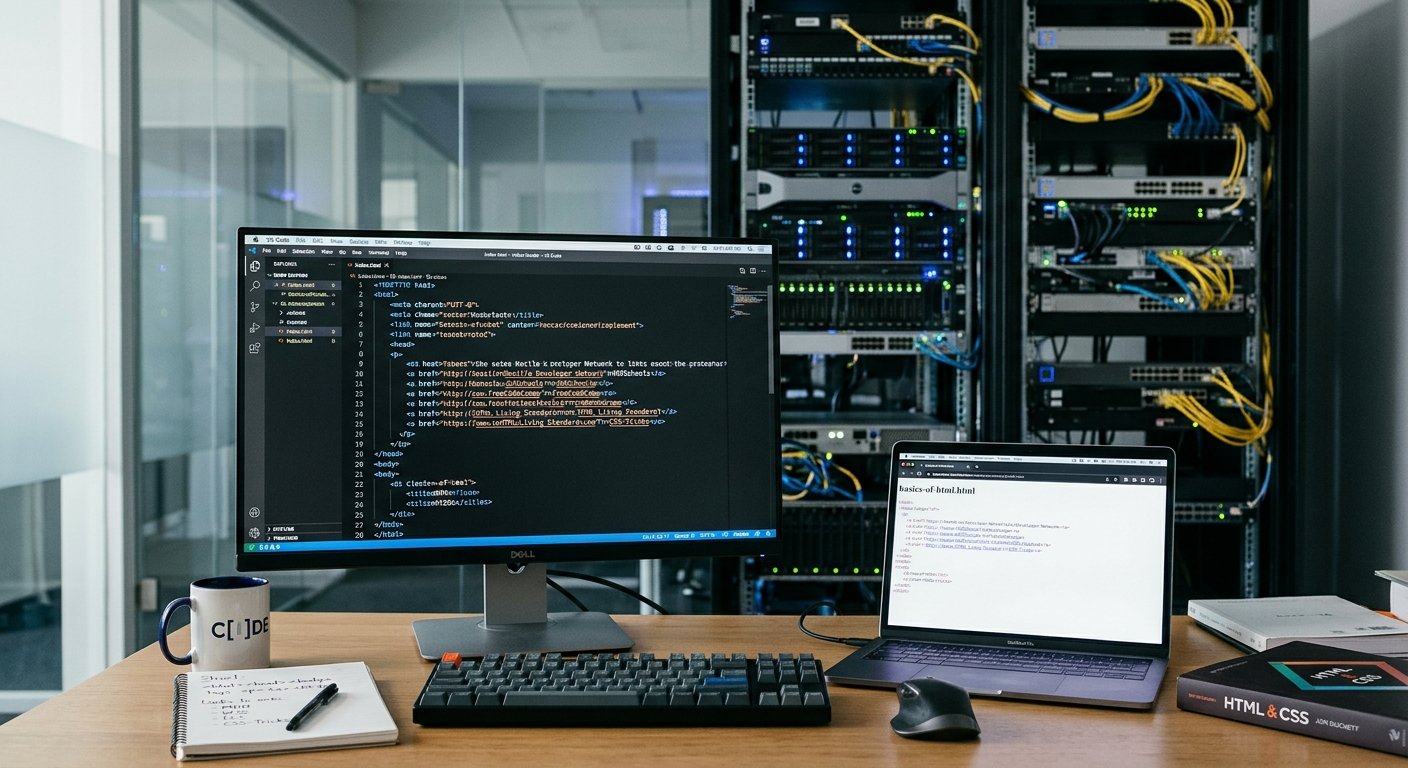
In the modern digital landscape, building a website or publishing content online has never looked easier. With a few clicks, content management systems (CMS) like WordPress can spin up a fully operational blog, and generative artificial intelligence tools can write entire landing pages in seconds. For most people, interacting directly with code feels like an archaic chore—a task best left to machines or specialized developers. However, beneath the polished interfaces of modern software lies a foundational language that powers every corner of the internet: HyperText Markup Language, or HTML.
Understanding the basics of HTML is not just an asset for professional web developers; it is a practical form of digital literacy that benefits the average person. By looking past user-friendly abstractions, we can better understand how the web operates, troubleshoot everyday digital frustrations, and demystify the backend processes—such as how server-side scripts like PHP construct pages on the fly.