Categories
Fedora Internet Websites

Navigating the Linux Desktop: A Study of the Nautilus File Manager and Its Role in Fedora

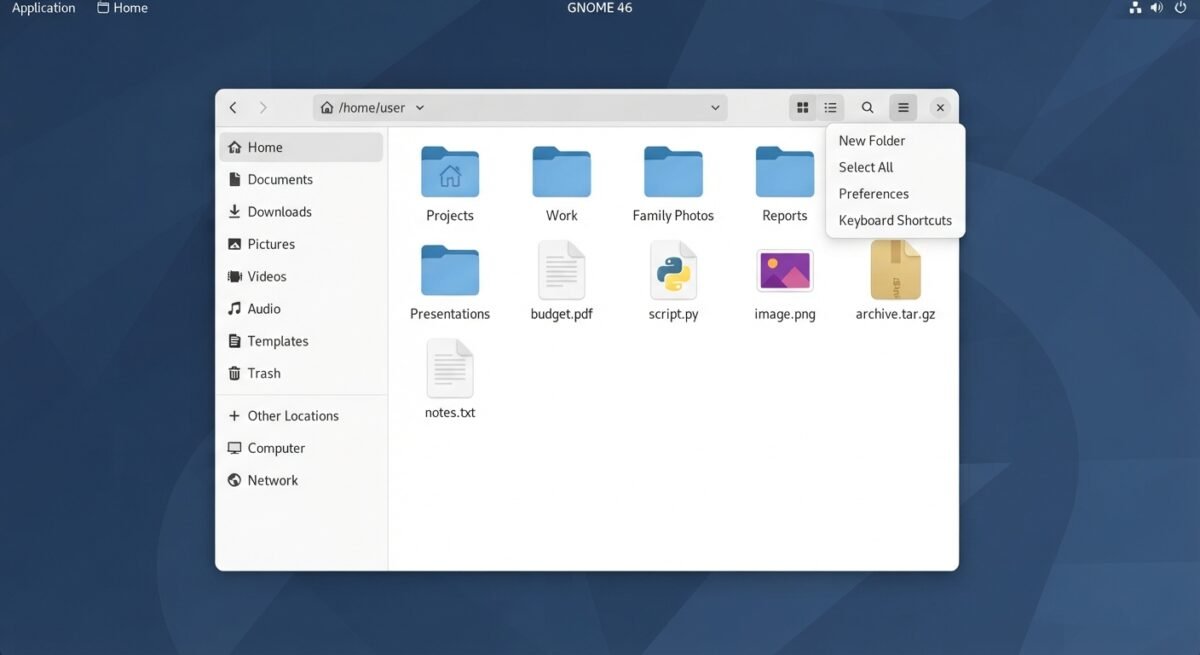
In the graphical world of Linux, a file manager is far more than a visual wrapper around filesystem commands—it is the primary spatial bridge between a user’s personal data, system storage, network shares, and installed applications. On the GNOME desktop environment and throughout the default workstation edition of Fedora Linux, that bridge is GNOME Files, widely known by its original and internal codename, Nautilus. Balancing clean minimalist design with deep desktop integration, Nautilus exemplifies how open-source software evolves across decades of shifting interface paradigms, toolkit migrations, and Linux distributions.
Categories
Internet Websites

Linux and Data Centers: Linux is Used for Business

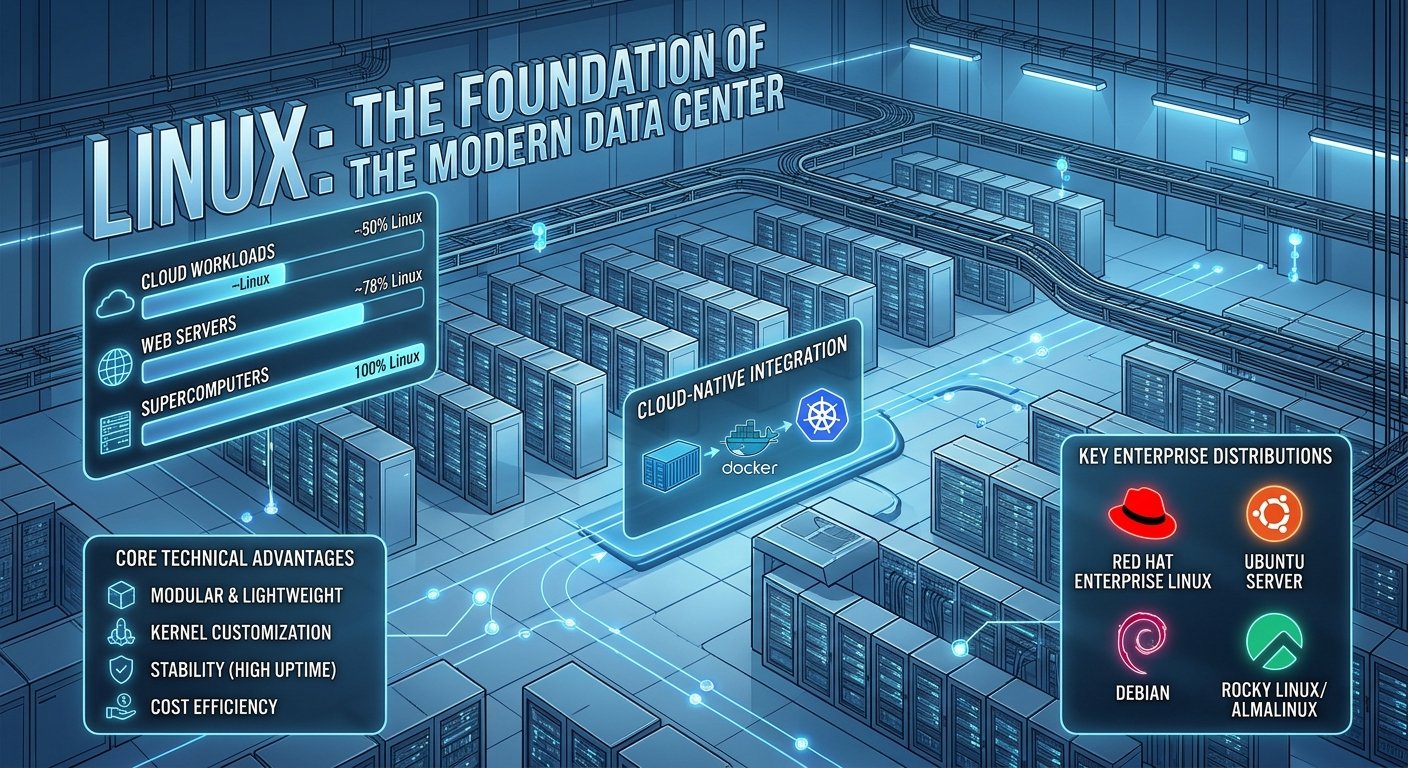
Modern data centers are the invisible backbone of the digital age, powering everything from global financial transactions and streaming services to enterprise cloud computing and massive artificial intelligence workloads. At the heart of this infrastructure lies an overwhelming technological preference: the Linux operating system. While consumer desktop computing remains heavily split, enterprise data centers rely almost universally on Linux to orchestrate trillions of daily operations.

Categories
Fedora Internet Websites

The Architecture and Role of Fedora Server in Web Hosting

Fedora Server is a community-driven, open-source Linux distribution developed by the Fedora Project and sponsored by Red Hat. Positioned as the upstream proving ground for Red Hat Enterprise Linux (RHEL), Fedora Server bridges the gap between bleeding-edge open-source innovation and enterprise-grade architectural standards. Unlike traditional long-term support distributions that freeze software versions for years, Fedora operates on a rapid six-month release cycle with an approximate 12-month maintenance window per release, giving system administrators immediate access to modern Linux kernels, updated system libraries, and current server daemons.

Categories
Fedora Internet Websites

About the Evolution Email Client

The evolution of desktop software on Linux has been closely tied to the growth of the GNOME Desktop Environment. At the heart of GNOME’s productivity stack is Evolution (originally known as Ximian Evolution), a comprehensive Personal Information Manager (PIM) that integrates email, contacts, calendars, task lists, and note-taking into a single ecosystem.

Categories
Internet Programming Websites

The Engines of the Modern Mind: Data Centers, Artificial Intelligence, and the Global Resource Crunch

Introduction

In the digital era, the intangible cloud where our photos, emails, and applications reside is physical, heavy, and immense. At the heart of this digital infrastructure are data centers—vast, windowless warehouses packed with servers, routers, and cooling systems that keep the modern world online. While these facilities have hummed quietly in the background for decades, the explosive rise of generative artificial intelligence (AI) has thrust them into the global spotlight. AI requires a staggering amount of computational might, turning data centers into the new battlegrounds of technological supremacy, environmental debate, and energy innovation.