Categories
Command Line

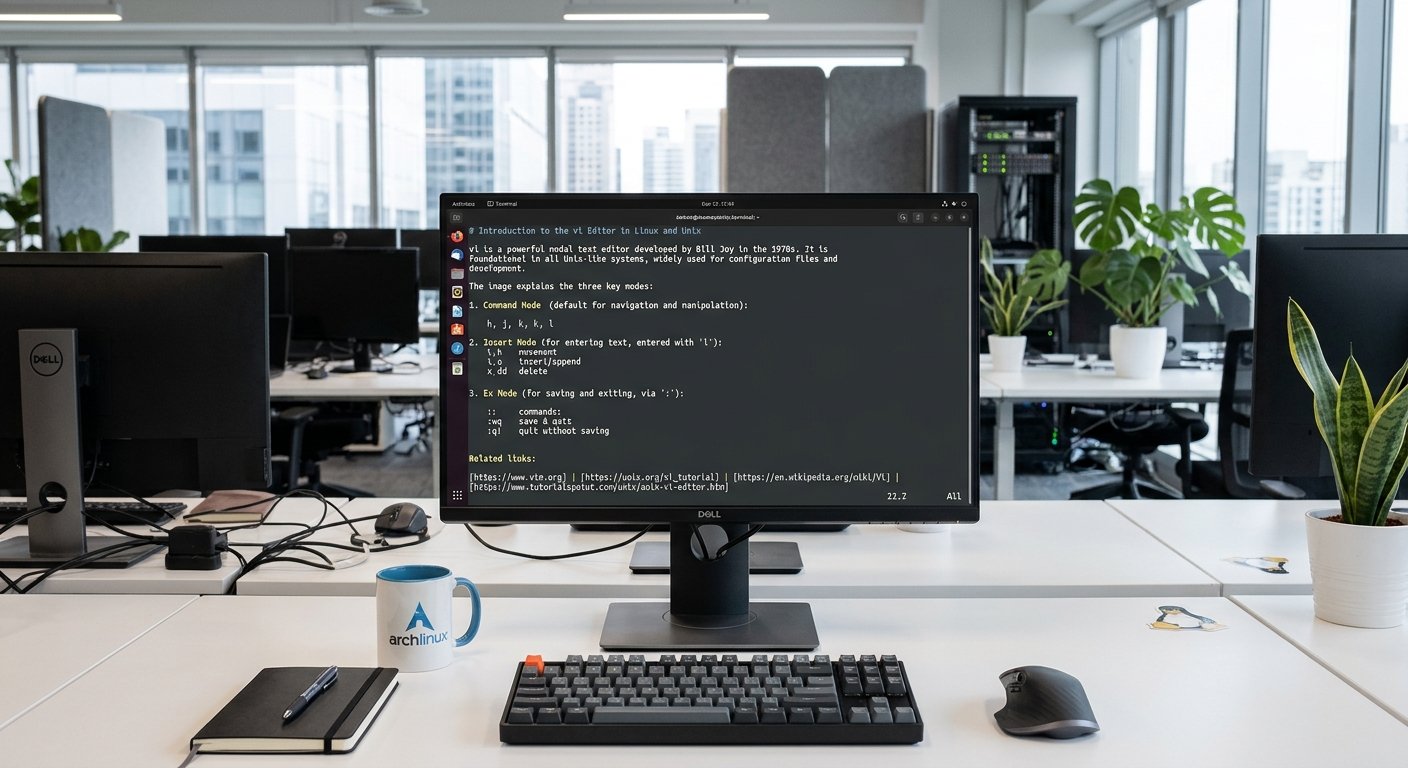
Navigating the Powerhouse: An Introduction to the vi Editor in Linux and Unix

The vi text editor (short for visual) is a foundational tool in the Unix and Linux ecosystems. Developed in the late 1970s by Bill Joy for a version of the Berkeley Software Distribution (BSD), vi was designed to work on low-bandwidth terminals by minimizing screen redraws and keeping the user’s hands anchored to the home row. Nearly every Unix-like operating system includes vi or its modern, feature-rich clone, Vim (Vi IMproved). Understanding how vi functions is an essential rite of passage for any system administrator, developer, or enthusiast.
Categories
Internet Websites

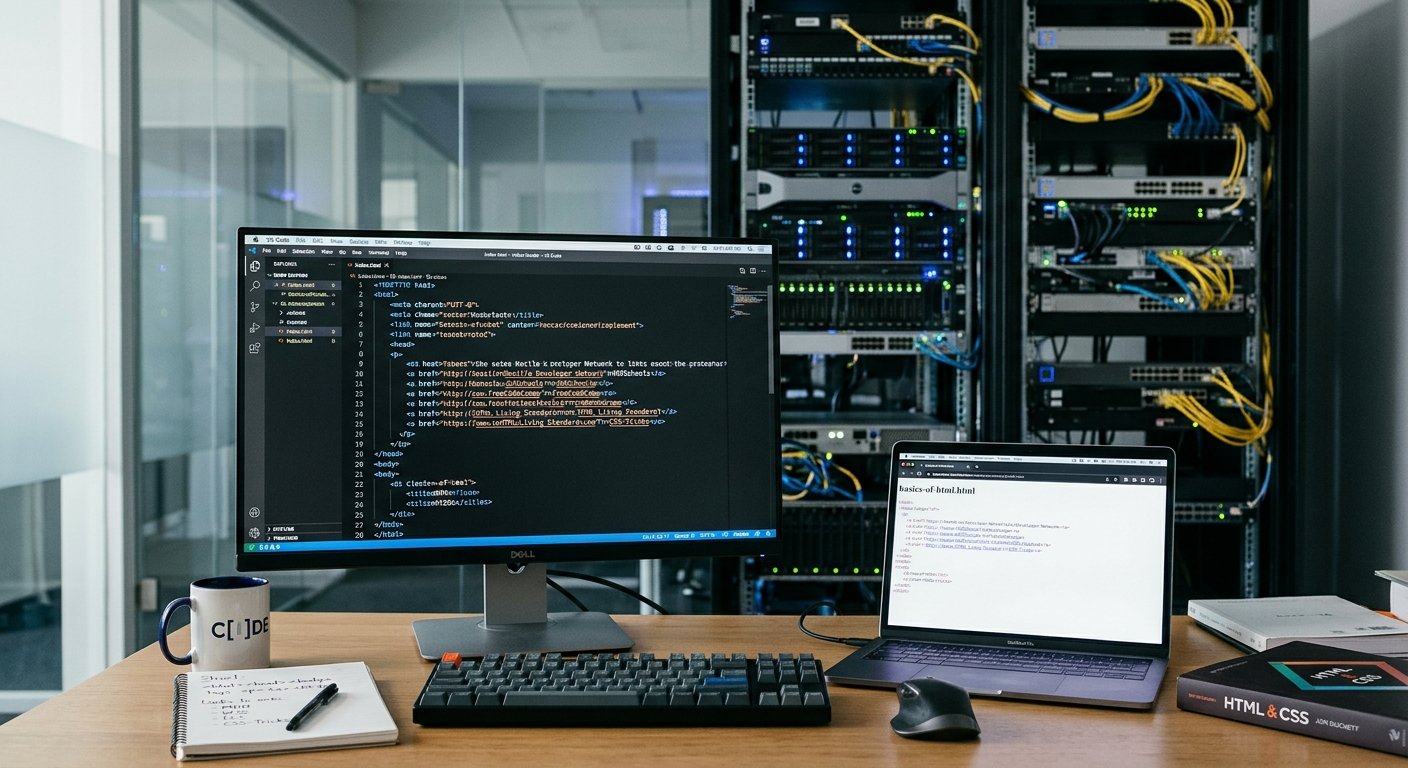
The Foundation of the Web: An Introduction to HTML Basics

HyperText Markup Language, universally known as HTML, serves as the foundational skeleton of the World Wide Web. Every webpage rendered by a modern browser—whether viewing a simple text document, a complex technical guide on MDN Web Docs, or an interactive application—relies on HTML to structure its content. Without HTML, browsers would have no mechanism to interpret headings, paragraphs, images, or hyperlinks.

Categories
Internet Programming Websites

The Enduring Value of HTML: Why Everyone Should Understand the Web’s Native Tongue

In the modern digital landscape, building a website or publishing content online has never looked easier. With a few clicks, content management systems (CMS) like WordPress can spin up a fully operational blog, and generative artificial intelligence tools can write entire landing pages in seconds. For most people, interacting directly with code feels like an archaic chore—a task best left to machines or specialized developers. However, beneath the polished interfaces of modern software lies a foundational language that powers every corner of the internet: HyperText Markup Language, or HTML.

Understanding the basics of HTML is not just an asset for professional web developers; it is a practical form of digital literacy that benefits the average person. By looking past user-friendly abstractions, we can better understand how the web operates, troubleshoot everyday digital frustrations, and demystify the backend processes—such as how server-side scripts like PHP construct pages on the fly.

Categories
Programming

One of the Best Linux Forums on the Web. A Very Excellent Resource and Technical Guide. Linux.org

The Linux operating system powers everything from cloud infrastructure and supercomputers to embedded devices and personal desktops. Because of its modular nature, troubleshooting issues or deepening one’s understanding often requires consulting structured community knowledge. Among the vast ecosystem of documentation, forums, and technical communities, Linux.org stands out as an exceptional resource for newcomers and experienced system administrators alike. Combining structured educational articles with an active community discussion board, the platform offers an accessible environment for technical inquiry, research, and collaborative problem-solving.

Categories
Command Line Programming Websites

Comprehensive Reference Guide to Self-Taught Programming Resources

Teaching yourself how to code is an empowering endeavor. Whether you are aiming to master systems engineering, scripting environments like the Linux command line, frontend web design, or heavy-duty compiled languages like C++, the internet provides an incredible array of open-source and interactive curricula.

This reference listing outlines curated, high-value websites categorized by their strengths in teaching specific languages, environments, and core fundamentals.