Categories
Internet Websites

Linux and Data Centers: Linux is Used for Business

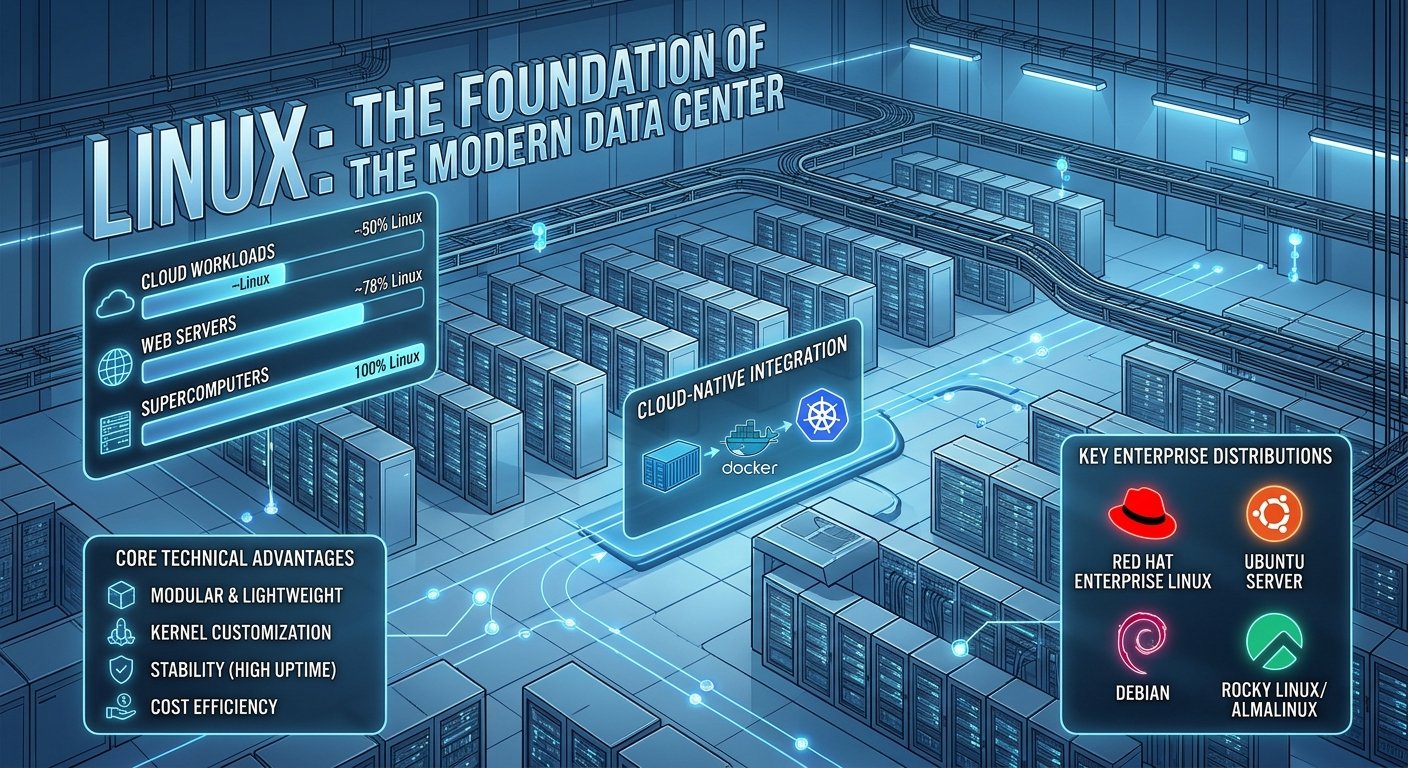
Modern data centers are the invisible backbone of the digital age, powering everything from global financial transactions and streaming services to enterprise cloud computing and massive artificial intelligence workloads. At the heart of this infrastructure lies an overwhelming technological preference: the Linux operating system. While consumer desktop computing remains heavily split, enterprise data centers rely almost universally on Linux to orchestrate trillions of daily operations.
Categories
Fedora Internet Websites

The Architecture and Role of Fedora Server in Web Hosting

Fedora Server is a community-driven, open-source Linux distribution developed by the Fedora Project and sponsored by Red Hat. Positioned as the upstream proving ground for Red Hat Enterprise Linux (RHEL), Fedora Server bridges the gap between bleeding-edge open-source innovation and enterprise-grade architectural standards. Unlike traditional long-term support distributions that freeze software versions for years, Fedora operates on a rapid six-month release cycle with an approximate 12-month maintenance window per release, giving system administrators immediate access to modern Linux kernels, updated system libraries, and current server daemons.

Categories
Internet

The Freedom to Code: Understanding the GNU General Public License

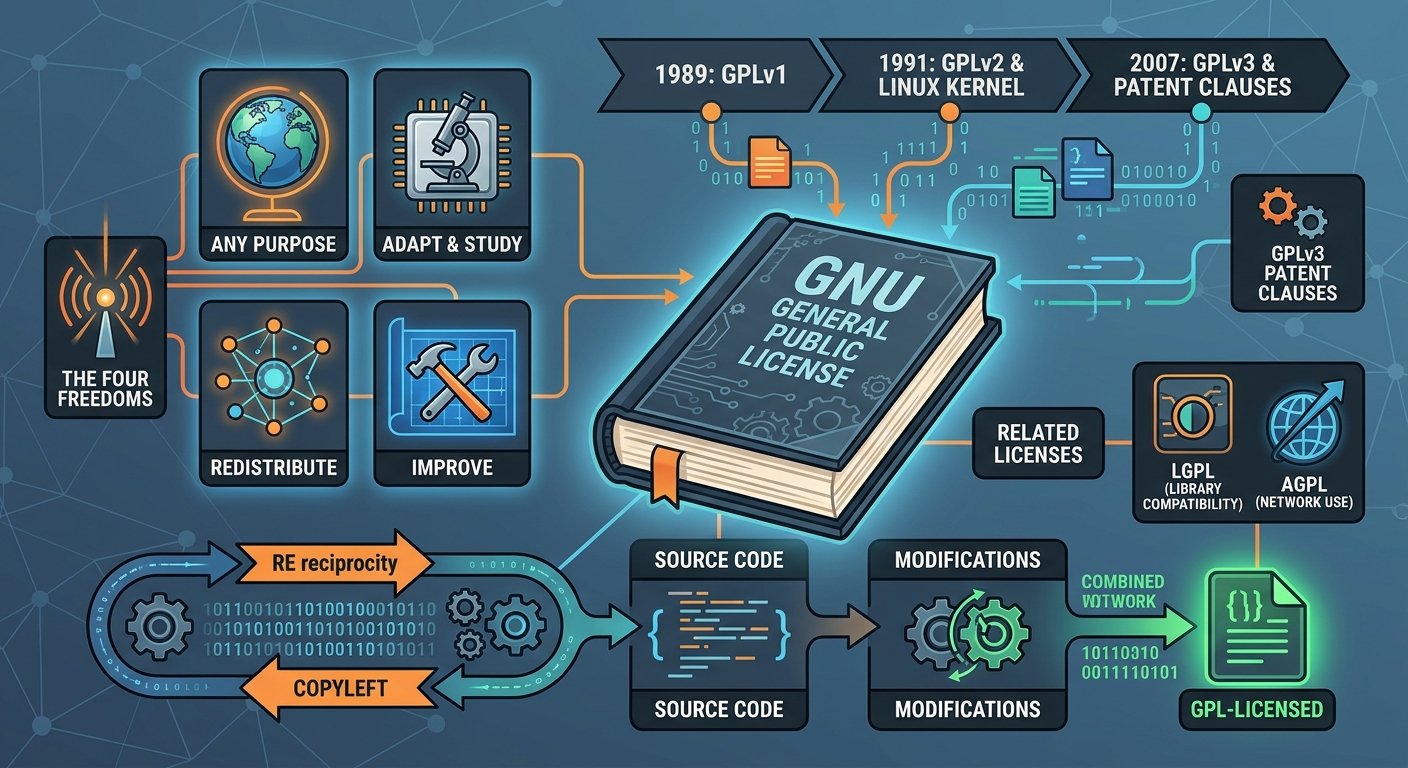
The GNU General Public License (GPL) is the foundational pillar of the free and open-source software movement. Formulated by Richard Stallman and the Free Software Foundation (FSF), the GPL redefined how software intellectual property is treated by utilizing copyright law to grant and protect end-user rights rather than restricting them.

Categories
Command Line Fedora

The Linux Ecosystem: Navigating Distributions and Packaging Systems

Linux is a powerful, open-source operating system kernel created by Linus Torvalds in 1991. Because the core operating system is freely distributed under the GNU General Public License, anyone can take the kernel, combine it with system utilities, window managers, and application software, and assemble a complete operating system. These custom-tailored collections are known as distributions, or distros.

With hundreds of active operating systems available, navigating the Linux ecosystem can feel overwhelming. However, almost every major Linux distribution can be classified into distinct families based on its underlying package management system. Package managers handle software installation, updates, dependency resolution, and system integrity.

Categories
Command Line Fedora

The GNOME Terminal: A Comprehensive Guide

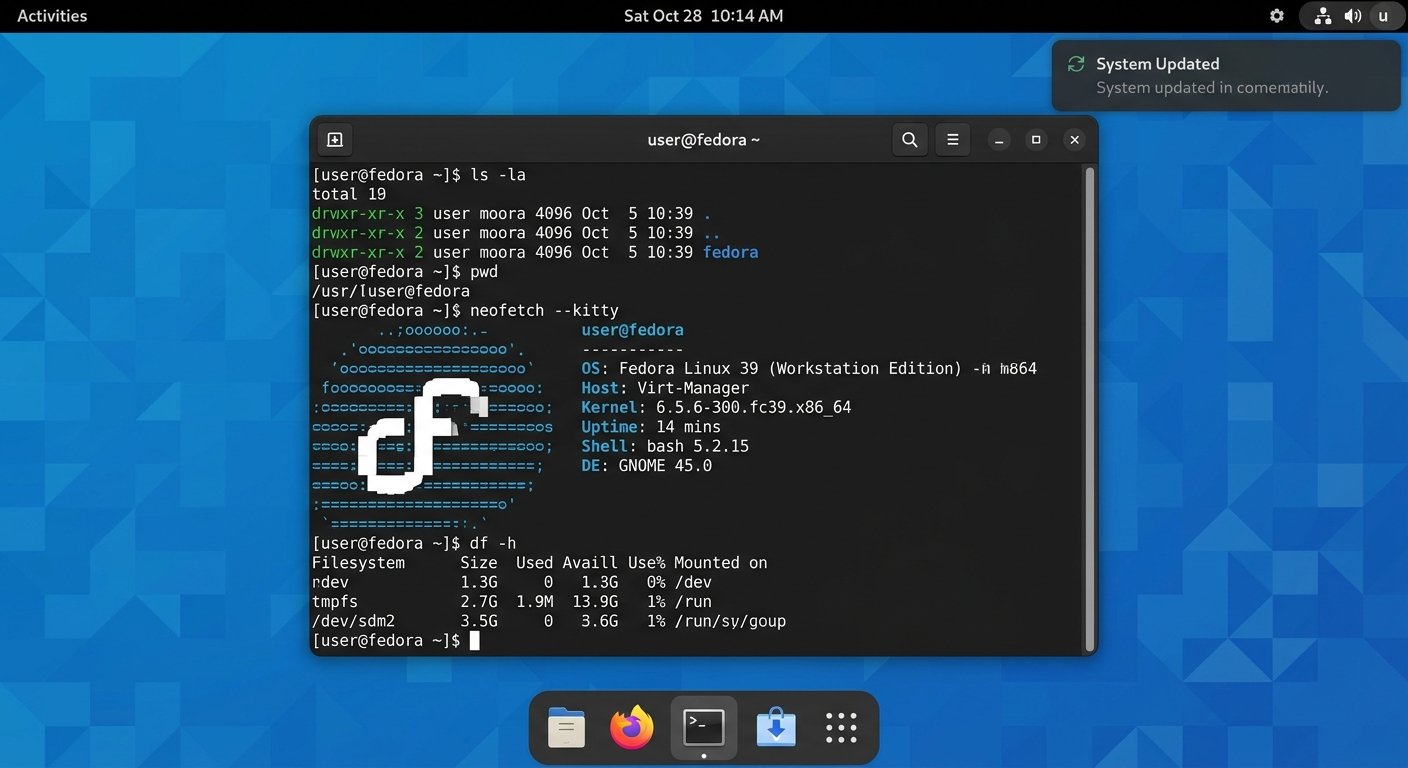
The visual interface of modern Linux distributions, such as Fedora or Ubuntu, often provides an inviting and intuitive environment for users. However, for those seeking the true power and efficiency of the operating system, the GNOME Terminal is an indispensable tool. A terminal emulator, as the name suggests, emulates the historical physical terminal, providing a graphical window into the command line interface (CLI). This allows users to execute instructions directly to the shell, the core interpreter of the operating system. This essay will explore the GNOME Terminal, detailing how to open, close, and utilize it effectively for common Linux commands.