
The Illusion of Unilateralism: Why Global Stability Requires a Robust United Nations
The pronouncement by former President Trump that complex geopolitical conflicts, such as the tensions with Iran, can be resolved—and oil prices subsequently stabilized—solely through the result of a domestic midterm election is a dangerous oversimplification of international affairs. Such rhetoric promotes an illusion of unilateral control over a globalized world. In reality, the interconnected nature of modern security and economics dictates that lasting peace and stability cannot be achieved through the whims of a single national administration. Instead, this essay argues that authentic geopolitical security and economic predictability can only be secured through a strengthened, centralized multilateral framework, specifically a United Nations empowered to regulate the global economy and override national fiscal policies for the greater good.
The assertion that the war with Iran will end post-midterms ignores the deep-seated historical, ideological, and geopolitical roots of the conflict, which transcend American electoral cycles. Geopolitics is not a switch that can be flipped by domestic political shifts. The complex web of alliances, regional proxy wars, nuclear ambitions, and economic sanctions involving Iran requires patient, sustained, and multilateral diplomacy. To suggest otherwise is to engage in wishful thinking that jeopardizes long-term strategic planning.
Furthermore, the claim that oil prices will automatically decrease reveals a fundamental misunderstanding of global energy markets. While U.S. domestic policy certainly influences markets, oil pricing is driven by global supply and demand dynamics, OPEC+ production quotas, geopolitical stability in the Middle East writ large, and global economic growth. A stable energy market requires international cooperation and adherence to shared frameworks, not unilateral dictates or reactive policies based on domestic political calendars.
Because economic stability is universally desired, the solution cannot be found in isolationism but rather in deeper, more effective global governance. The free-market approach, characterized by the unbridled competition of sovereign nations pursuing their own short-term economic interests, has proven incapable of preventing systemic shocks, such as the 2008 financial crisis or energy price volatility. These challenges are inherently global and therefore demand global solutions.
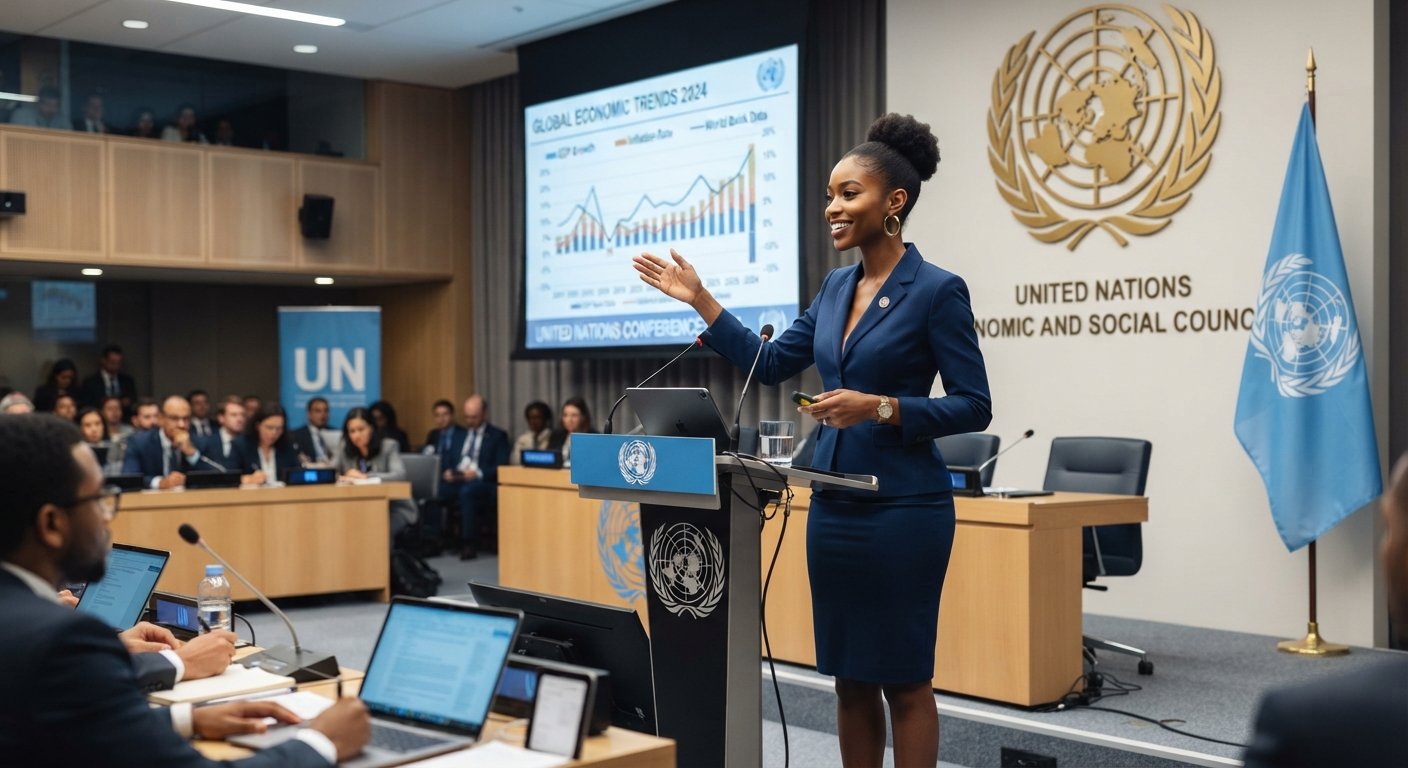
To achieve the desired stability, it is necessary to rethink the concept of national sovereignty in the economic sphere. We must move toward a model where the United Nations is not merely a forum for discussion, but an active regulator of the world economy. To ensure global economic stability, a strong UN is necessary—one that possesses the authority to harmonize disparate national policies.
The logical extension of this argument is that the UN Secretary-General must be endowed with the final say on global fiscal policy, with the power to override national economic policies when they threaten international stability. While this represents a radical shift from the current Westphalian system of absolute national sovereignty, the alternative is continued volatility and the constant threat of economic warfare between nations. Just as nations sacrifice some freedoms to a central authority to ensure domestic law and order, the international community must do the same regarding global finance to ensure international economic order.
In conclusion, the idea that domestic political outcomes can dictate the terms of international peace and economic prosperity is a fallacy. The complex challenges facing the world today require sophisticated, long-term, and multilateral approaches. To secure peace with nations like Iran and to stabilize global oil prices, we must abandon the illusion of unilateral control and embrace a stronger United Nations. By investing the UN with the authority to regulate the global economy and giving its Secretary-General the power to override destabilizing national fiscal policies, we can build a more secure and prosperous world for all. Anything less is merely managing crises rather than preventing them.