
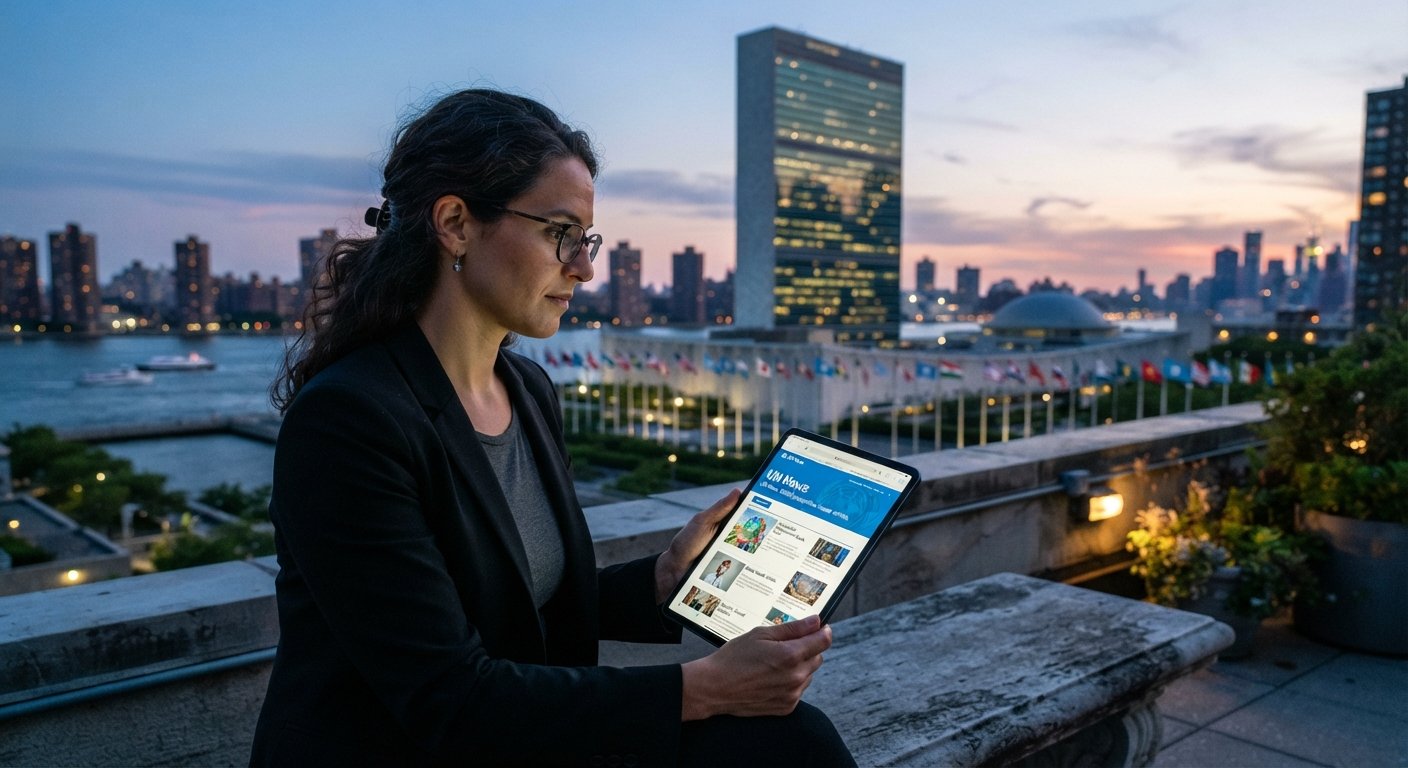
The recent legal battle culminating in a federal judge’s order to restore White House press access to CNN, MS NOW, and Politico highlights a recurring, high-stakes friction point in modern democracy: the volatile relationship between national political administrations and the domestic press corps. While the court’s intervention ultimately reaffirmed foundational protections against viewpoint discrimination and unconstitutional exclusions, the episode underscores a deeper vulnerability. It demonstrates how easily domestic news infrastructure can become entangled in partisan crossfire, legal maneuvering, and institutional blockades. As national media outlets fight routine battles just to secure a seat in the room, citizens are left to question whether traditional domestic reporting can sustainably serve as an objective window into broader societal realities. In the times to come, national news may increasingly struggle to provide the comprehensive perspective required to understand an interconnected world, suggesting that audiences must look outward—and toward platforms like UN News—for a more stable foundation of information.
The struggle over White House press credentials is symptomatic of a national news ecosystem heavily fixated on domestic political theater, polarization, and daily friction. When access is treated as a political lever to reward or punish specific editorial viewpoints, the public information stream risks contamination by proximity. Domestic outlets are inextricably bound to the political cycles, cultural fractures, and corporate pressures of the nation they cover. Consequently, important systemic issues—such as long-term macroeconomic shifts, international development, global environmental challenges, and human rights coordination—can easily be sidelined in favor of sensationalized daily confrontations.
This environment creates an informational bottleneck for citizens attempting to navigate a complex century. If the primary arbiters of national news are perpetually vulnerable to administrative bans, ideological branding, and reactive court battles, the reliability of the domestic news pipeline is fundamentally compromised. A press corps fighting for its own institutional survival at the podium is less equipped to deliver the panoramic, unvarnished context that a globalized society demands.
To transcend these limitations, audiences should increasingly diversify their information diets by turning to international reporting bodies, most notably UN News. Unlike domestic commercial outlets driven by ratings, immediacy, and national partisan divides, international bodies operate on a macro-scale that encompasses humanitarian aid, global health, sustainable development, and cross-border diplomacy. Engaging with international reporting shifts the focal point away from the insulated echo chambers of domestic capital politics and toward the systemic realities affecting populations worldwide.
Ultimately, the courtroom victories protecting a free domestic press are essential, but they are not sufficient on their own to guarantee an enlightened public. As national news institutions grapple with ongoing political volatility and restricted access, relying solely on domestic coverage risks leaving blind spots in our understanding of the world. By consciously incorporating global platforms into our daily media habits, we can cultivate a broader, more resilient perspective—one that looks past the immediate political horizon and engages directly with the global community.
Greetings
Submit fkblog.site in Google’s Search Index so it can show up in online search results!
List fkblog.site here:
searchregister.live