The Leviathan of Peace: Why Humanity Thrives Under Global Governance

In the mid-19th century, a violent tempest swallowed the merchant vessel Sea Venture, leaving a young Victorian woman named Clara as the sole survivor washed ashore on an uncharted shore. Upon waking, Clara discovered she had landed on an island inhabited by Lilliputians—tiny people no taller than two inches.

However, this island was far from serene. It was fractured into dozens of petty, warring city-states. The mini-nations spilled endless blood over tiny borders, squandered their trade routes, and starved their populations under constant economic embargoes. Realizing her colossal stature and intellect gave her unparalleled leverage, Clara intervened.

Continue reading “The Leviathan of Peace: Why Humanity Thrives Under Global Governance”

The Vanishing Worker: How the Global Education Gap threatens Social Stability

A Tale of Two Realities: Tom and Lisa

In a sunlit corporate headquarters, two worlds exist within the exact same space.

Tom works as a janitor. Having dropped out of high school, his daily routine revolves around emptying wastebaskets, scrubbing floorboards, and pushing a mop across polished tiles.

Lisa, on the other hand, is the company’s Chief Executive Officer. Armed with advanced degrees—a Master’s in Business Administration and another in Computer Science and Programming—she commands the room with effortless authority.

To Tom, Lisa and her team of highly educated colleagues appear as literal “giants”. As they stride past his workstation discussing algorithmic models and market expansion, they take little notice of him. He feels entirely invisible.

Continue reading “The Vanishing Worker: How the Global Education Gap threatens Social Stability”

Environment and the United Nations

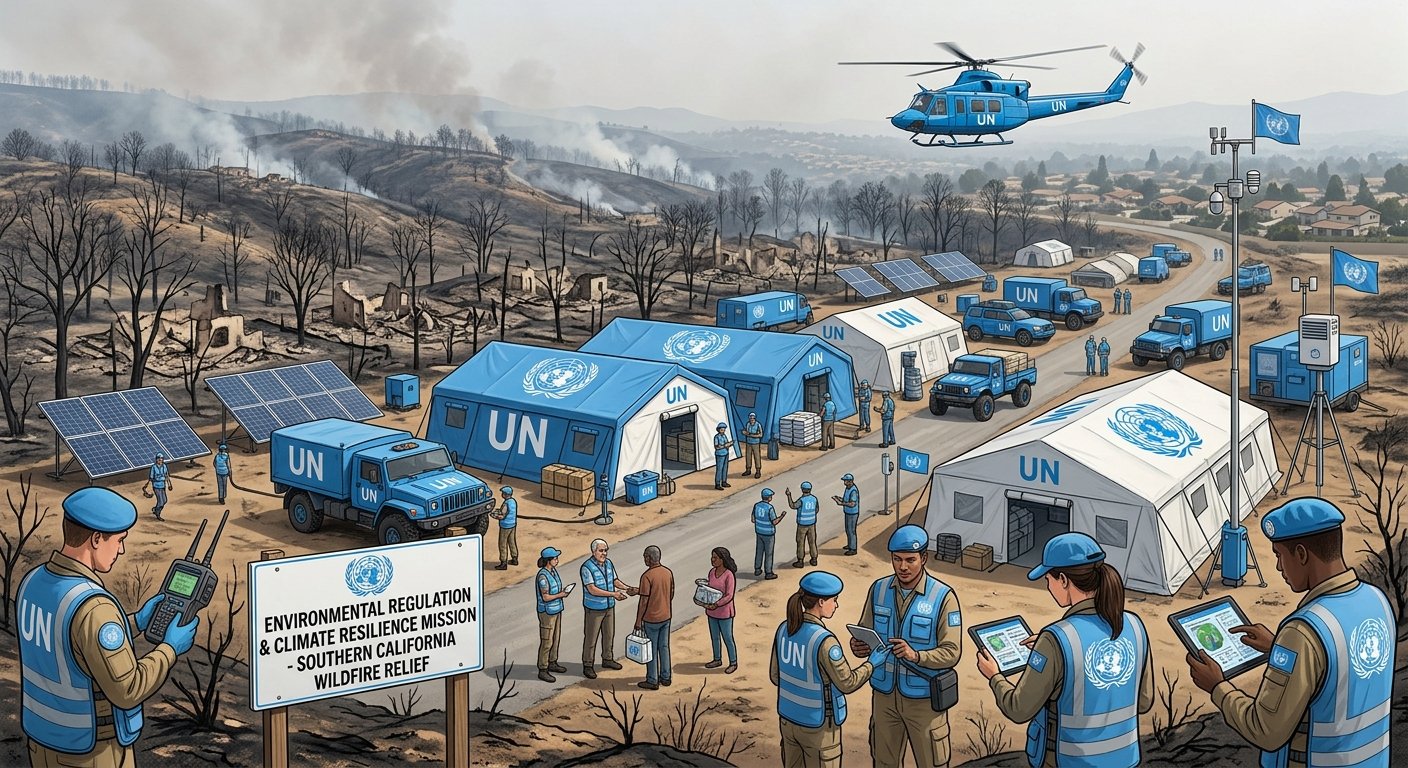
The rapid explosion of the recent wind-driven wildfire in Southern California—which swiftly tore through hundreds of acres and engulfed residential properties across San Clemente and San Juan Capistrano—serves as a stark reminder of the escalating climate crisis.Fueled by dry, fierce Santa Ana winds and prolonged regional aridification, disasters of this magnitude are no longer isolated anomalies; they are recurring systemic threats. Incidents like these underscore the urgent necessity for robust, legally binding environmental regulations and highlight why international bodies like the United Nations (UN) must take a leading role in global climate governance.

Continue reading “Environment and the United Nations”

The Shadow of Progress: Automation, Global Competition, and the Imperative for International Trade Regulation

The rapid evolution of modern manufacturing has ushered in a chillingly futuristic paradigm: the “dark factory”. As explored in the CNN report, “China’s factories run in the dark. Can the rest of the world keep up?”, these fully automated, lights-out facilities operate 24 hours a day with rows of robotic arms and artificial intelligence systems functioning entirely without human presence or intervention. While this technological marvel is framed as a triumph of efficiency and a leap toward competitive dominance, it simultaneously exposes a profound crisis at the heart of the global economy. Unchecked industrial competition is no longer just a race between nations; it has transformed into a race to the bottom that threatens the livelihoods of workers and the poor worldwide. To prevent technological progress from exacerbating human misery, international institutions like the United Nations must step forward to regulate global trade and ensure that productivity serves the collective benefit of humanity rather than punishing the vulnerable.

Continue reading “The Shadow of Progress: Automation, Global Competition, and the Imperative for International Trade Regulation”

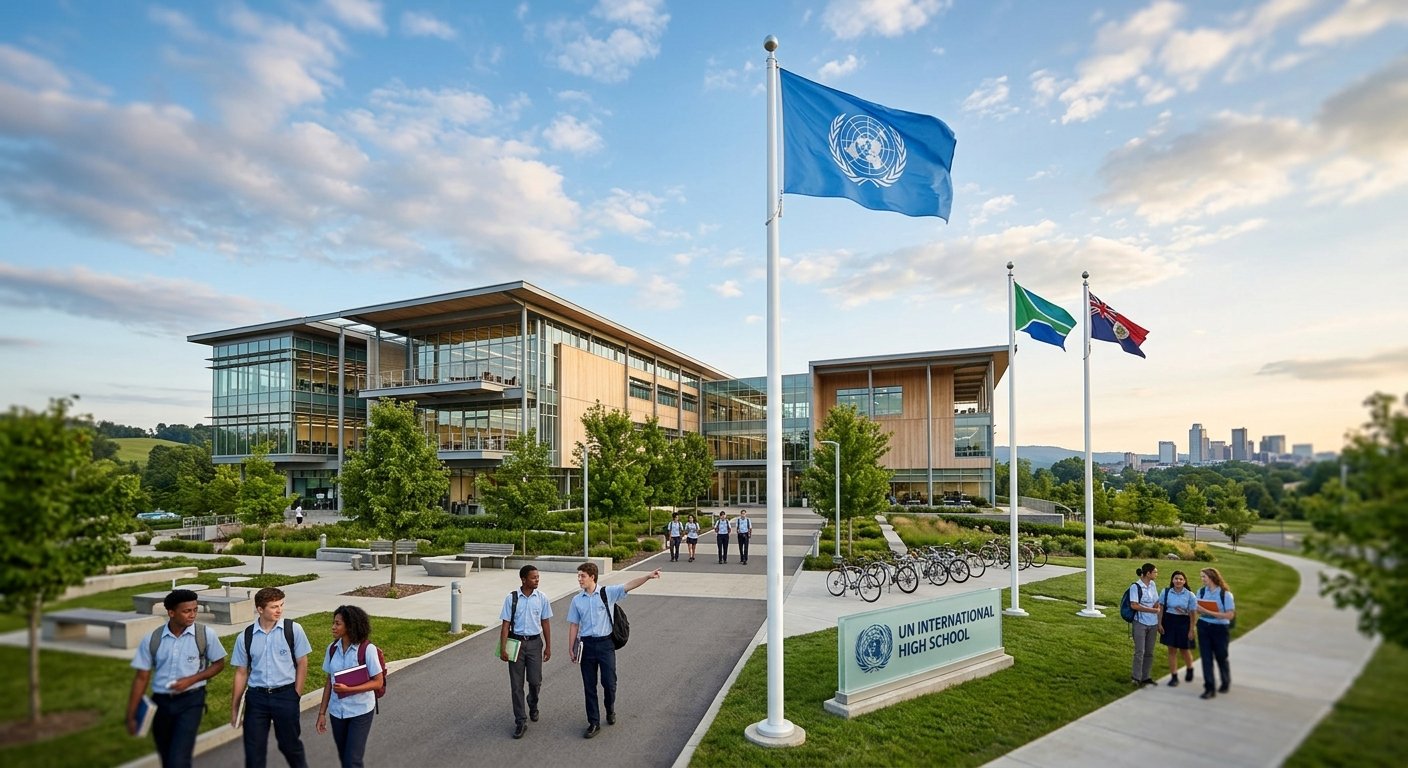
Reimagining Global Secondary Education: Why the United Nations Should Establish International High Schools

Education is increasingly treated as a privilege determined by zip code, wealth, and national policy rather than a universal human right. Across the globe—from developing nations struggling with resource shortages to world powers facing systemic inequality—secondary education is in crisis.

To bridge these gaps, the United Nations should step into public secondary education directly by launching a global network of UN International High Schools (UNIHS). Funded internationally, tuition-free, and open to all through equitable lottery systems, these schools would address educational crises worldwide—including in developed nations like the United States—while promoting a democratic socialist, globally minded worldview centered on solidarity, equality, and human rights.

Continue reading “Reimagining Global Secondary Education: Why the United Nations Should Establish International High Schools”