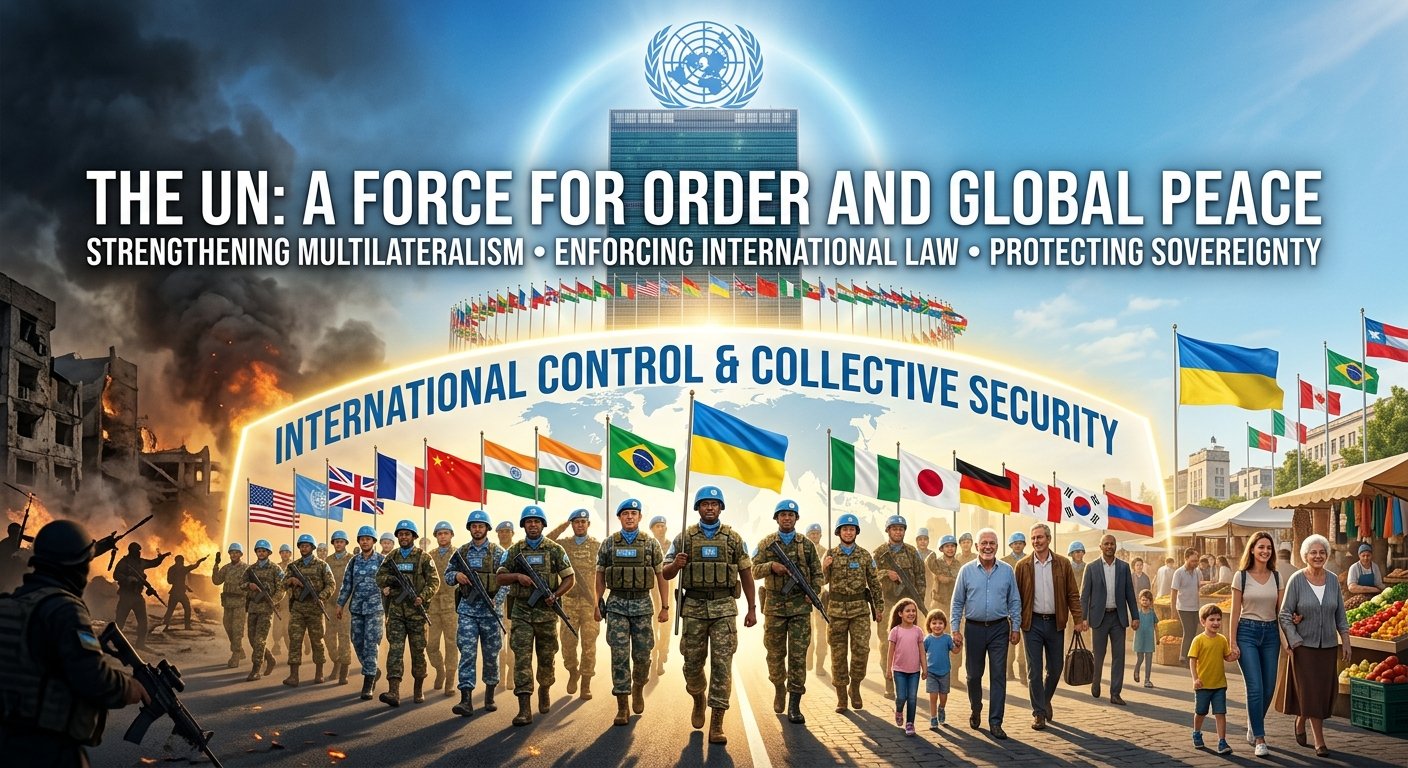
The Leviathan of Peace: Why Humanity Thrives Under Global Governance

In the mid-19th century, a violent tempest swallowed the merchant vessel Sea Venture, leaving a young Victorian woman named Clara as the sole survivor washed ashore on an uncharted shore. Upon waking, Clara discovered she had landed on an island inhabited by Lilliputians—tiny people no taller than two inches.

However, this island was far from serene. It was fractured into dozens of petty, warring city-states. The mini-nations spilled endless blood over tiny borders, squandered their trade routes, and starved their populations under constant economic embargoes. Realizing her colossal stature and intellect gave her unparalleled leverage, Clara intervened.

Continue reading “The Leviathan of Peace: Why Humanity Thrives Under Global Governance”
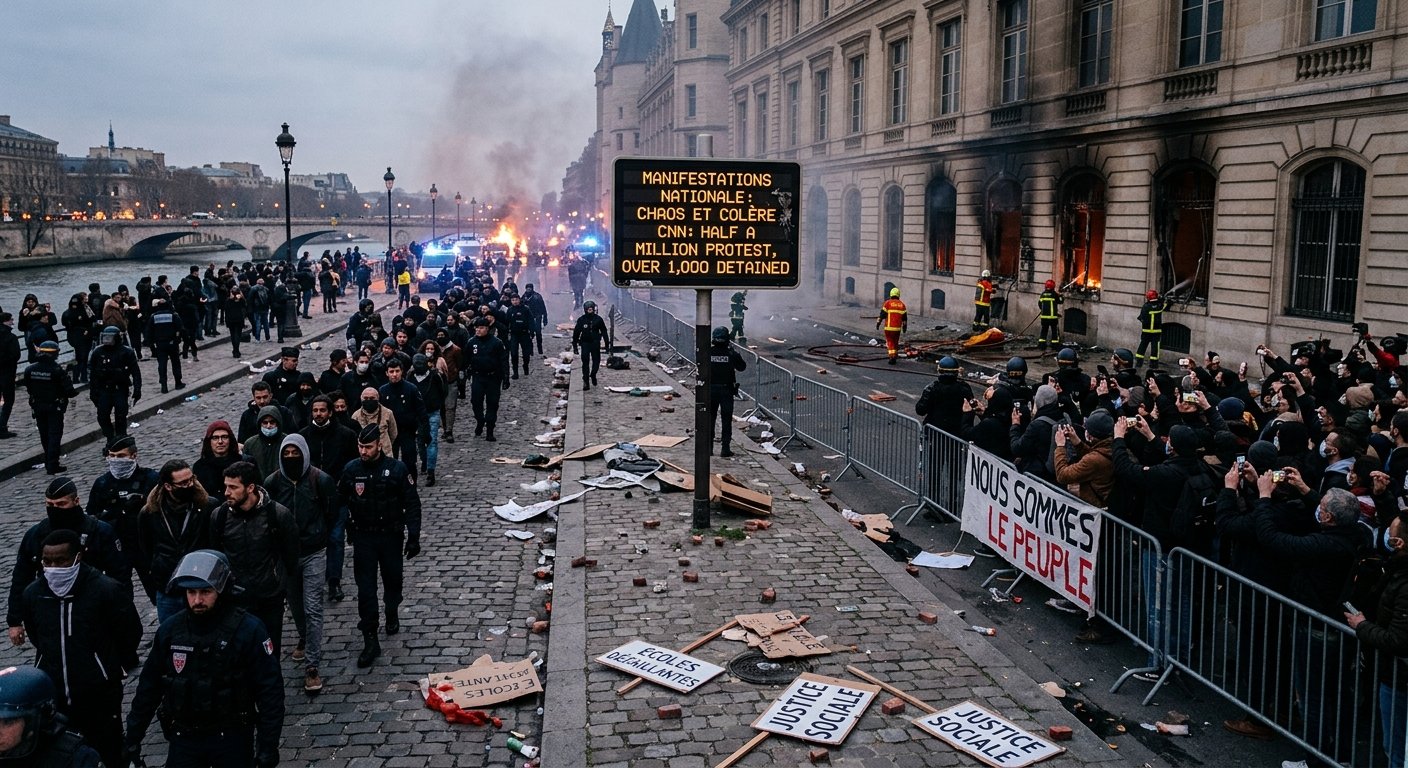

Navigating the Fracture: Law, Justice, and the Necessity of Global Frameworks in Modern Unrest

Recent events in Europe have once again laid bare the volatile intersection of civil dissent and state power. As reported in the CNN.com article, “Buildings torched and over 1,000 detained after half a million protesters sweep France,” major French cities became the epicenter of intense riots, featuring torched government buildings and mass detentions following widespread demonstrations.What began as localized student-led rallies over underfunded schools, crumbling infrastructure, and economic anxiety rapidly evolved into a broader national crisis.The subsequent escalation—marked by both destructive urban riots and controversial heavy-handed police tactics—highlights a profound societal fracture. To prevent these cycles of domestic violence and institutional breakdown, the global community must look toward robust international structures that balance the imperatives of law and order with the legitimate demands of social justice.

Continue reading “Navigating the Fracture: Law, Justice, and the Necessity of Global Frameworks in Modern Unrest”

The Shrinking Employee: Denouncing the Systemic Problem of Workplace Bullying

The Tale of Jeff and Karen

Every morning when Jeff walked into the open-plan office, he felt a familiar knot form in his stomach. A quiet, conscientious worker who preferred to let his results speak for themselves, Jeff was diligent, soft-spoken, and non-confrontational. Unfortunately, in his department, those traits made him an easy target.

Karen was not Jeff’s supervisor. She held the exact same job title, but operated with a self-appointed authority that dominated the floor. She controlled group conversations, claimed prime assignments, and delivered unsolicited evaluations of her peers. Her favorite target was Jeff.

Whether it was interrupting him in meetings, making condescending remarks about his pace, or publicly standardizing how he should format his emails, Karen took every opportunity to project dominance. The psychological dynamic was visually clear to anyone watching: in Karen’s presence, Jeff felt reduced to a fraction of his size—as if he were barely five inches tall, standing in the palm of her hand, defenseless against her critical gaze.

Continue reading “The Shrinking Employee: Denouncing the Systemic Problem of Workplace Bullying”

The Shadow in the Living Room

The antique grandfather clock ticked rhythmically in the dimly lit living room, but for Ed, time felt entirely suspended. Standing in the center of her palm, reduced to a fraction of his true self, Ed looked up into the towering figure of Jennifer. Her dark, piercing eyes locked onto his, carrying a cold, calculating smirk that sent a chill straight through his spine.

Ed was, by nature, a quiet and gentle man—a skilled computer programmer who took pride in solving complex problems, writing clean code, and providing a stable life for those he cared about. But inside his home, no amount of logic could fix the environment Jennifer had cultivated.

Continue reading “The Shadow in the Living Room”

The Fragility of Sovereign Survival: Why the Ukraine Crisis Demands a Powerful UN and International Control

In an interconnected global landscape, the safety of sovereign nations should ideally be anchored in universal laws, collective security, and multilateral institutions. Yet, contemporary geopolitics frequently reverts to a theater of transactional diplomacy, where the fate of a nation can pivot on the shifting political whims of a single superpower. The CNN.com article, “Gift for Putin as fears grow that Trump is turning the screws on Ukraine”, exposes the raw vulnerabilities inherent in a world governed by bilateral coercion rather than institutionalized global order. When unilateral leadership can abruptly alter the trajectory of a war of aggression—rewarding an aggressor while squeezing a besieged democracy—it becomes painfully clear that international peace cannot rely on the goodwill of transient leaders. Instead, this crisis serves as a stark argument for robust international control and a truly empowered United Nations capable of shielding nations from the caprices of unilateral power.

Continue reading “The Fragility of Sovereign Survival: Why the Ukraine Crisis Demands a Powerful UN and International Control”