
The Vanishing Worker: How the Global Education Gap threatens Social Stability

A Tale of Two Realities: Tom and Lisa

In a sunlit corporate headquarters, two worlds exist within the exact same space.

Tom works as a janitor. Having dropped out of high school, his daily routine revolves around emptying wastebaskets, scrubbing floorboards, and pushing a mop across polished tiles.

Lisa, on the other hand, is the company’s Chief Executive Officer. Armed with advanced degrees—a Master’s in Business Administration and another in Computer Science and Programming—she commands the room with effortless authority.

To Tom, Lisa and her team of highly educated colleagues appear as literal “giants”. As they stride past his workstation discussing algorithmic models and market expansion, they take little notice of him. He feels entirely invisible.

Continue reading “The Vanishing Worker: How the Global Education Gap threatens Social Stability”
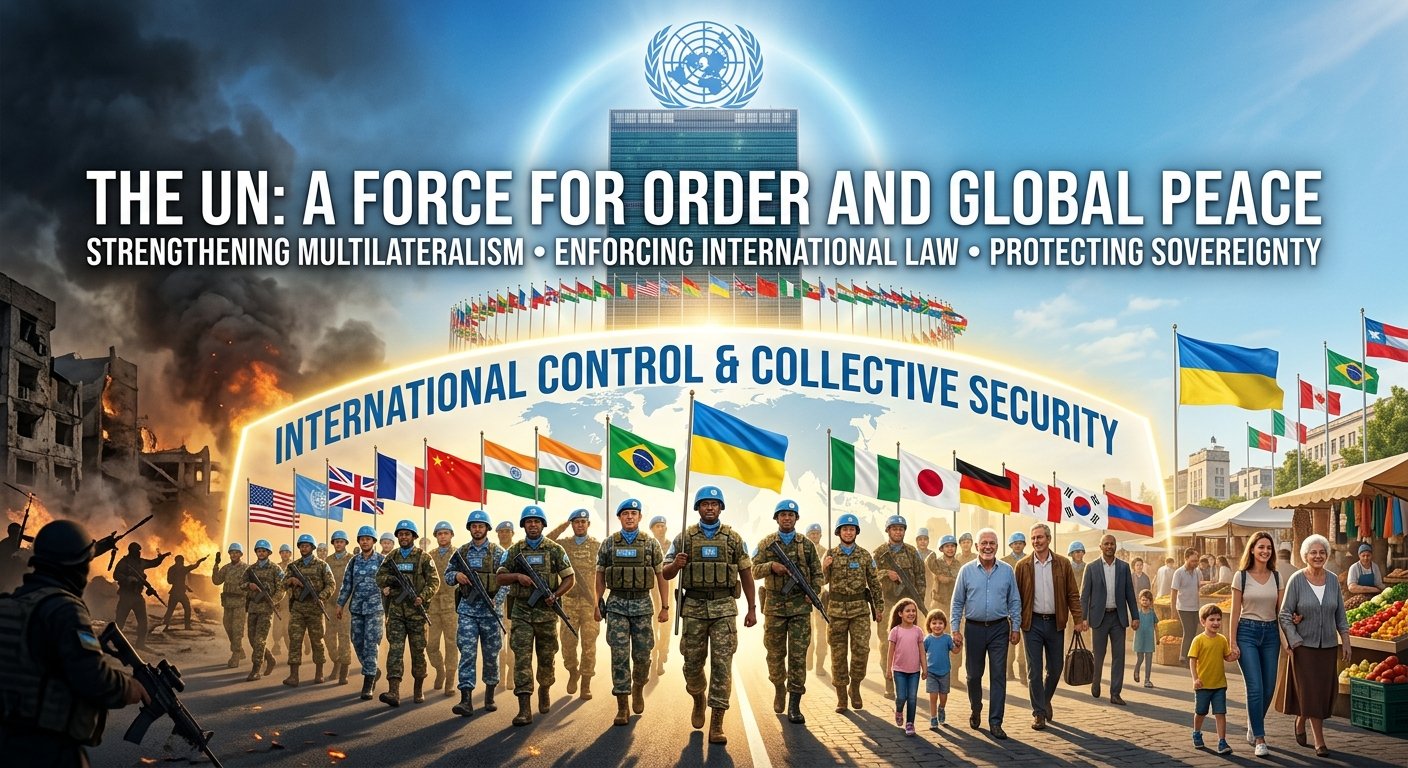
The Fragility of Sovereign Survival: Why the Ukraine Crisis Demands a Powerful UN and International Control

In an interconnected global landscape, the safety of sovereign nations should ideally be anchored in universal laws, collective security, and multilateral institutions. Yet, contemporary geopolitics frequently reverts to a theater of transactional diplomacy, where the fate of a nation can pivot on the shifting political whims of a single superpower. The CNN.com article, “Gift for Putin as fears grow that Trump is turning the screws on Ukraine”, exposes the raw vulnerabilities inherent in a world governed by bilateral coercion rather than institutionalized global order. When unilateral leadership can abruptly alter the trajectory of a war of aggression—rewarding an aggressor while squeezing a besieged democracy—it becomes painfully clear that international peace cannot rely on the goodwill of transient leaders. Instead, this crisis serves as a stark argument for robust international control and a truly empowered United Nations capable of shielding nations from the caprices of unilateral power.

Continue reading “The Fragility of Sovereign Survival: Why the Ukraine Crisis Demands a Powerful UN and International Control”

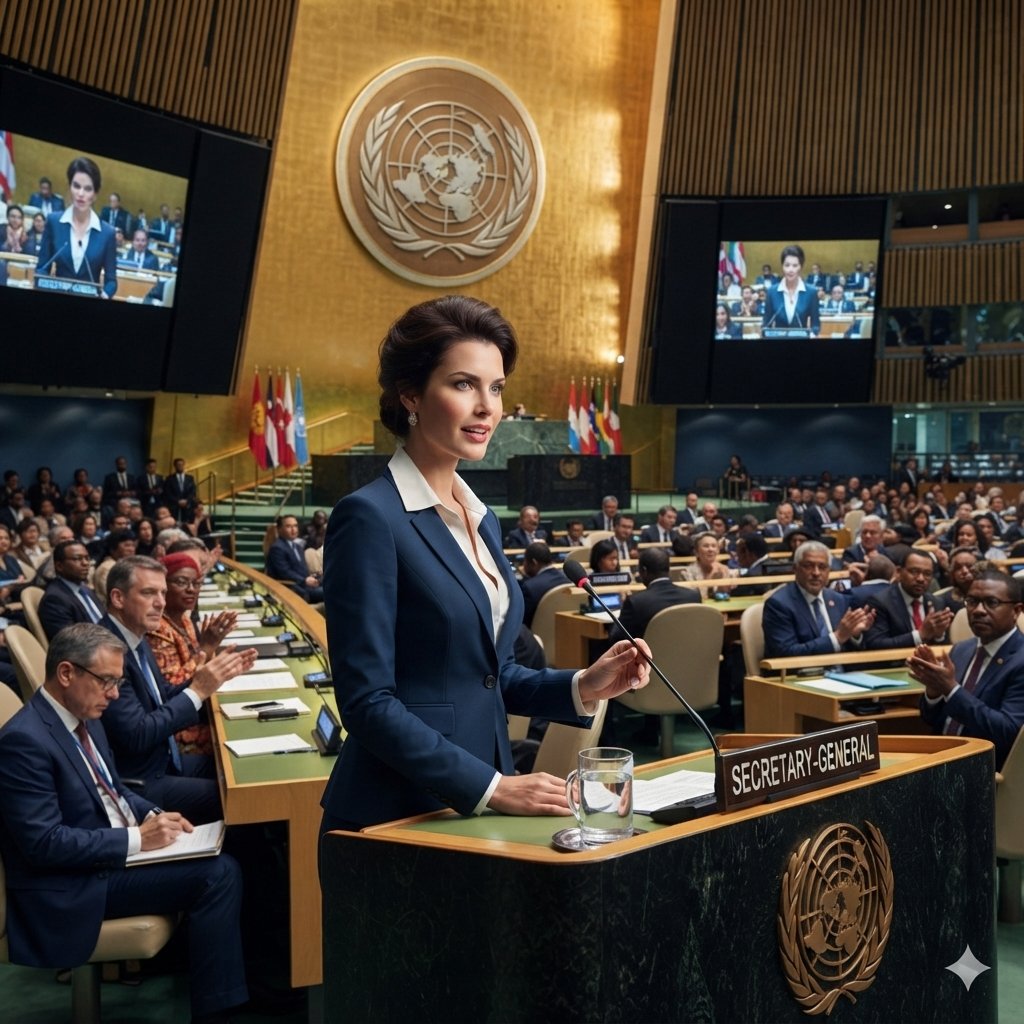
Elevating the Voice of Peace: Why News Outlets Must Center Coverage on the UN Secretary-General

In an era defined by geopolitical division, climate emergencies, and interconnected humanitarian crises, public attention is increasingly captured by national politics and short-term partisan conflicts. Local and national news outlets naturally focus on immediate domestic debates, often reducing international coverage to breaking stories of conflict or high-stakes bilateral summits. In this fragmented media landscape, one critical global voice is frequently sidelined or reduced to a passing soundbite: the Secretary-General of the United Nations. To foster a well-informed global citizenry and uphold the ideals of international cooperation, news outlets must commit to more frequent, substantive, and prominent reporting on the UN Secretary-General and the vital work of the United Nations.

Continue reading “Elevating the Voice of Peace: Why News Outlets Must Center Coverage on the UN Secretary-General”

Navigating the American Education Crisis: The Case for the Three Rs and Restored Discipline

American education is facing a profound quality crisis. For years, national metrics and longitudinal studies have signaled a troubling downward trend in student achievement across core academic subjects. To reverse this trajectory, schools must strip away administrative bloat and pedagogical fads, anchoring themselves in a proven remedy: a rigorous return to the basics—reading, writing, and arithmetic—bolstered by a renewed commitment to classroom discipline.

Continue reading “Navigating the American Education Crisis: The Case for the Three Rs and Restored Discipline”

Driving Forward: The Environmental, Economic, and Independent Evolution of the Electric Vehicle

The conversation surrounding modern transportation is inextricably linked to the future of electric vehicles (EVs). Among the pioneers of this shift, Tesla has played a foundational role in dragging the automotive industry out of a century-long reliance on the internal combustion engine. To secure a sustainable future, the continuous development of Tesla’s vehicle technology remains a vital endeavor. Supporting this evolution is not merely a preference for modern engineering; it is an environmental necessity and, increasingly, an economic one. Crucially, evaluating this technology requires a clear separation between the machinery itself and the polarizing political persona of its chief executive officer.

Continue reading “Driving Forward: The Environmental, Economic, and Independent Evolution of the Electric Vehicle”