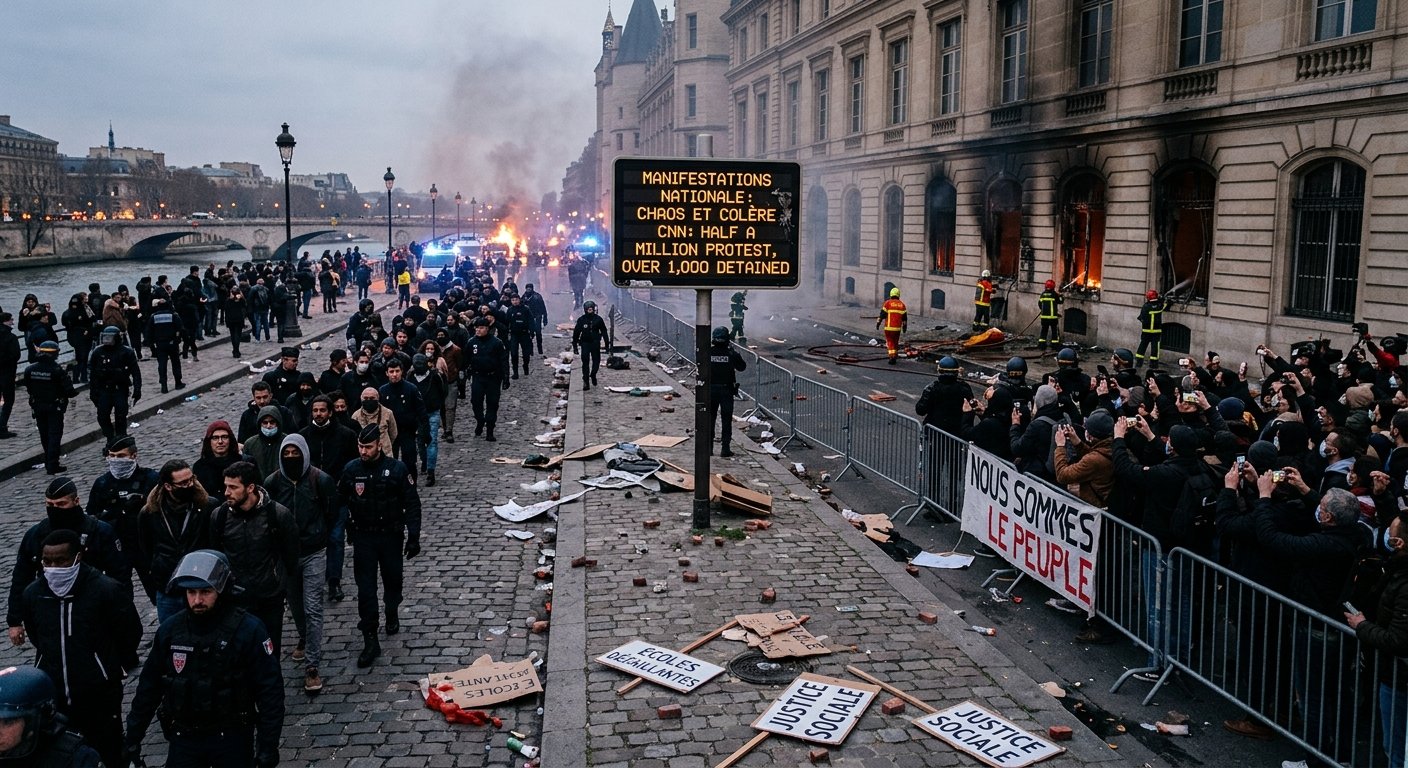
Recent events in Europe have once again laid bare the volatile intersection of civil dissent and state power. As reported in the CNN.com article, “Buildings torched and over 1,000 detained after half a million protesters sweep France,” major French cities became the epicenter of intense riots, featuring torched government buildings and mass detentions following widespread demonstrations.What began as localized student-led rallies over underfunded schools, crumbling infrastructure, and economic anxiety rapidly evolved into a broader national crisis.The subsequent escalation—marked by both destructive urban riots and controversial heavy-handed police tactics—highlights a profound societal fracture. To prevent these cycles of domestic violence and institutional breakdown, the global community must look toward robust international structures that balance the imperatives of law and order with the legitimate demands of social justice.
Continue reading “Navigating the Fracture: Law, Justice, and the Necessity of Global Frameworks in Modern Unrest”The Vanishing Worker: How the Global Education Gap threatens Social Stability
A Tale of Two Realities: Tom and Lisa
In a sunlit corporate headquarters, two worlds exist within the exact same space.
Tom works as a janitor. Having dropped out of high school, his daily routine revolves around emptying wastebaskets, scrubbing floorboards, and pushing a mop across polished tiles.
Lisa, on the other hand, is the company’s Chief Executive Officer. Armed with advanced degrees—a Master’s in Business Administration and another in Computer Science and Programming—she commands the room with effortless authority.
To Tom, Lisa and her team of highly educated colleagues appear as literal “giants”. As they stride past his workstation discussing algorithmic models and market expansion, they take little notice of him. He feels entirely invisible.
Continue reading “The Vanishing Worker: How the Global Education Gap threatens Social Stability”Reimagining Global Secondary Education: Why the United Nations Should Establish International High Schools
Education is increasingly treated as a privilege determined by zip code, wealth, and national policy rather than a universal human right. Across the globe—from developing nations struggling with resource shortages to world powers facing systemic inequality—secondary education is in crisis.
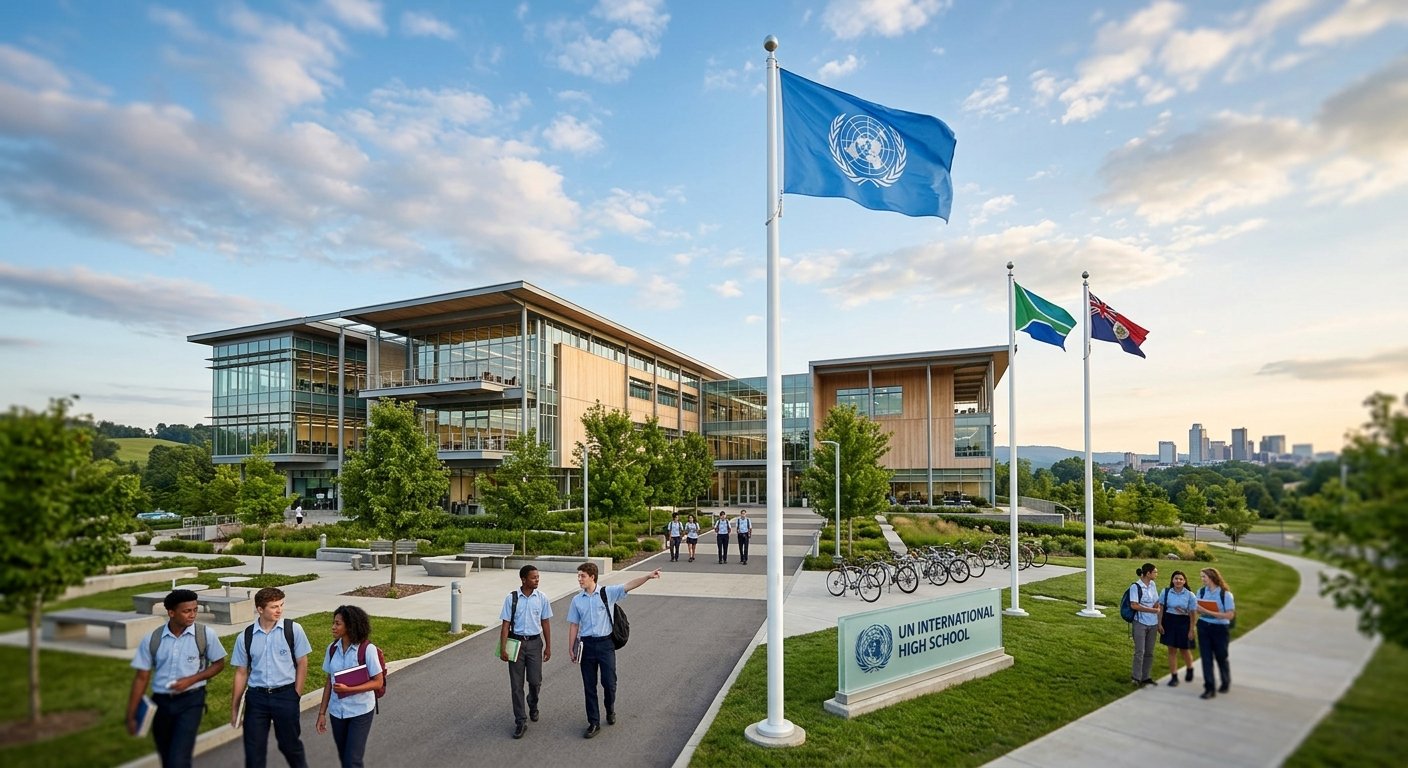
To bridge these gaps, the United Nations should step into public secondary education directly by launching a global network of UN International High Schools (UNIHS). Funded internationally, tuition-free, and open to all through equitable lottery systems, these schools would address educational crises worldwide—including in developed nations like the United States—while promoting a democratic socialist, globally minded worldview centered on solidarity, equality, and human rights.
Continue reading “Reimagining Global Secondary Education: Why the United Nations Should Establish International High Schools”Navigating the American Education Crisis: The Case for the Three Rs and Restored Discipline
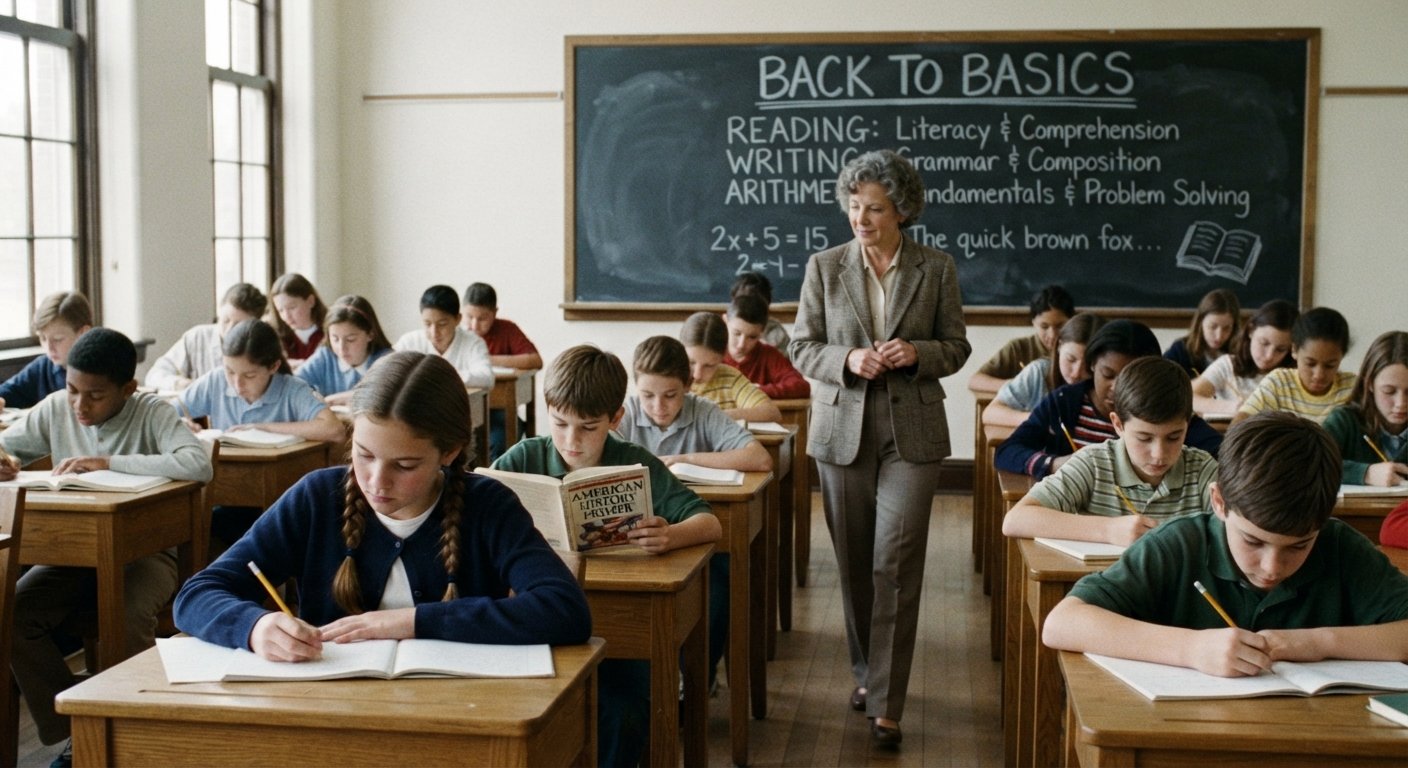
American education is facing a profound quality crisis. For years, national metrics and longitudinal studies have signaled a troubling downward trend in student achievement across core academic subjects. To reverse this trajectory, schools must strip away administrative bloat and pedagogical fads, anchoring themselves in a proven remedy: a rigorous return to the basics—reading, writing, and arithmetic—bolstered by a renewed commitment to classroom discipline.
Continue reading “Navigating the American Education Crisis: The Case for the Three Rs and Restored Discipline”Beyond Borders and Baselines: Why Rapidly Escalating Gulf Storms Demand Global Governance
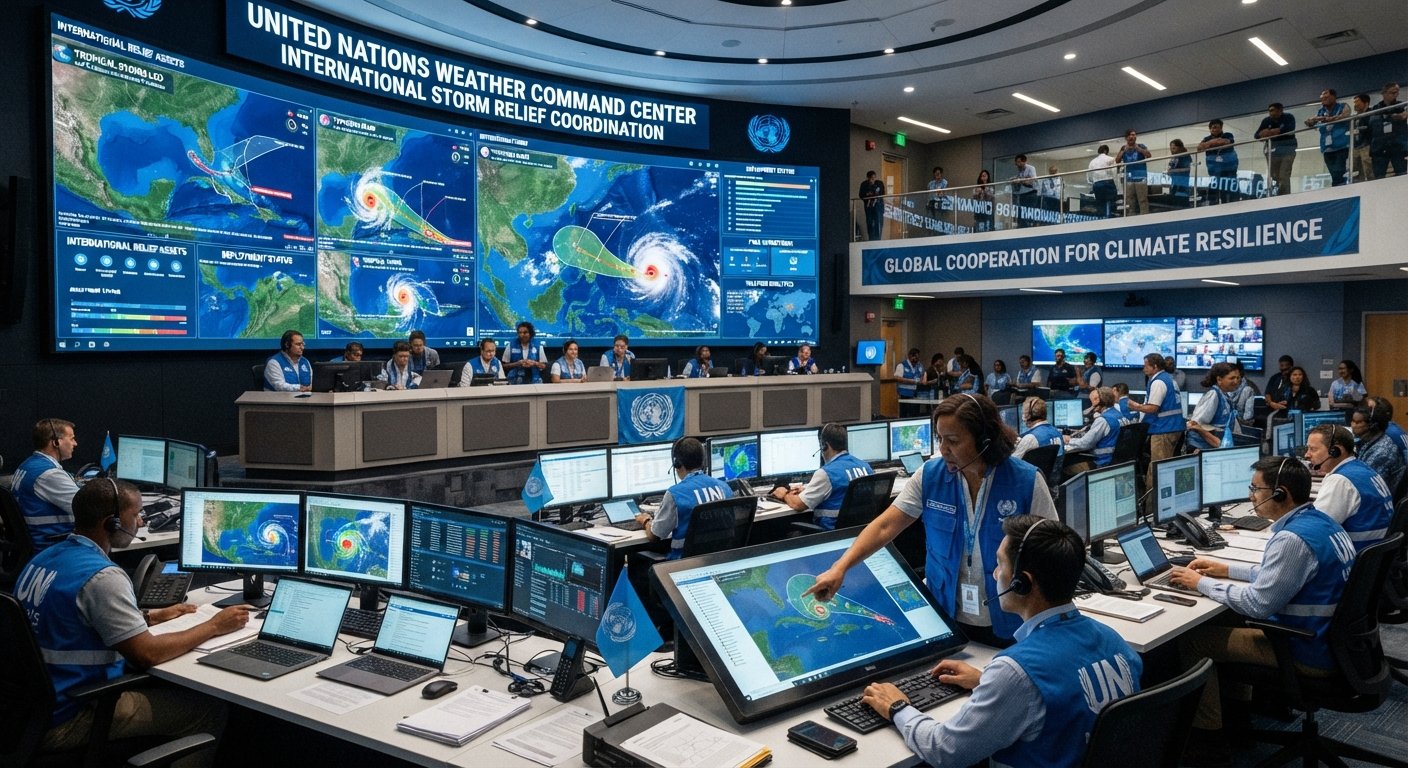
The recent report from CNN, “Gulf Coast faces hurricane threat as Tropical Depression Nine is forecast to strengthen”, highlights a familiar and escalating anxiety across the American South. Developing over the unusually warm waters of the southern Gulf of Mexico, Tropical Depression Nine serves as a stark reminder of the volatile nature of modern weather systems. While localized emergency declarations and regional preparations are vital initial reactions, events like these expose a deeper systemic vulnerability. As shifting climatic patterns supercharge tropical systems—rendering them wetter, more erratic, and capable of rapid intensification—local and national responses alone are no longer sufficient. Mitigating the human and economic tolls of these modern disasters demands a paradigm shift toward heightened United Nations involvement and robust international coordination, spanning everything from disaster relief mechanisms to global environmental education.
Continue reading “Beyond Borders and Baselines: Why Rapidly Escalating Gulf Storms Demand Global Governance”