
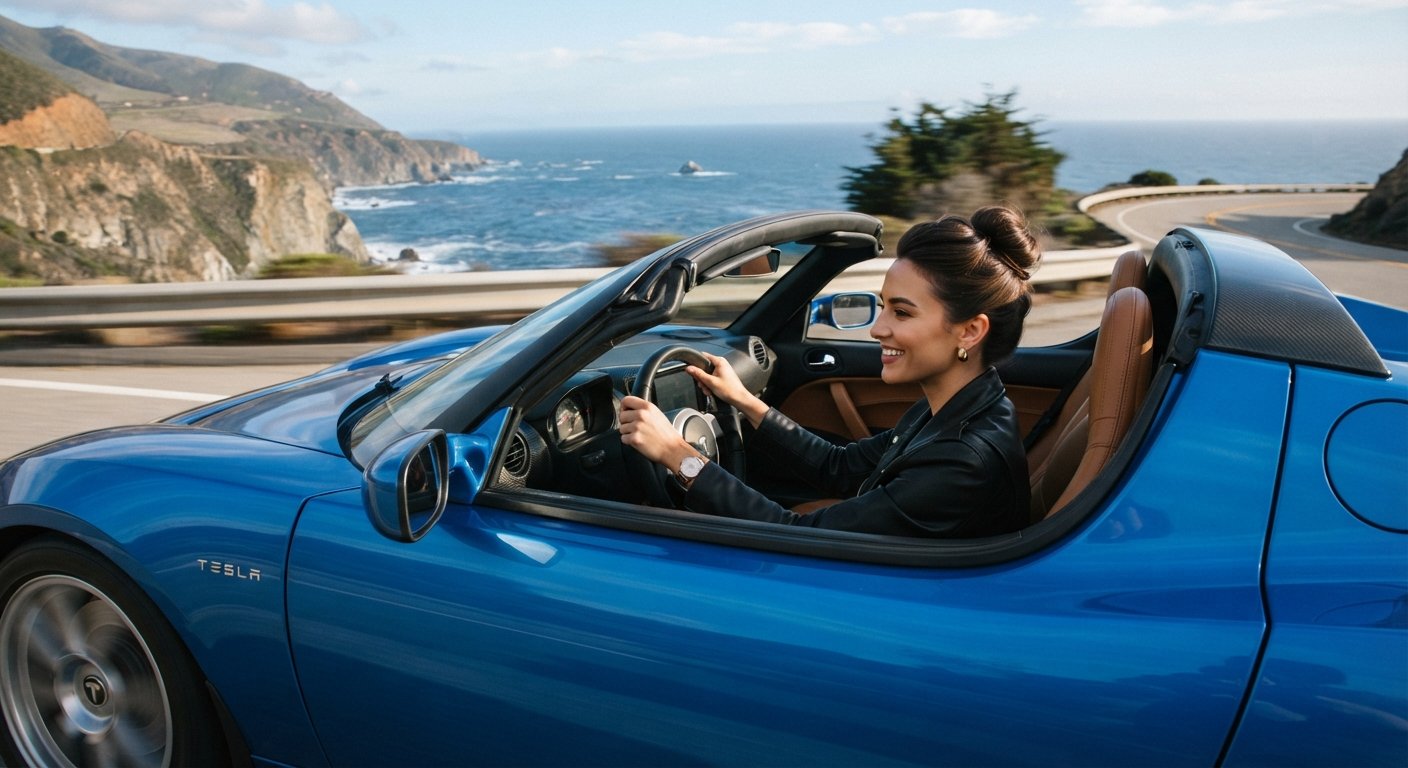
The conversation surrounding modern transportation is inextricably linked to the future of electric vehicles (EVs). Among the pioneers of this shift, Tesla has played a foundational role in dragging the automotive industry out of a century-long reliance on the internal combustion engine. To secure a sustainable future, the continuous development of Tesla’s vehicle technology remains a vital endeavor. Supporting this evolution is not merely a preference for modern engineering; it is an environmental necessity and, increasingly, an economic one. Crucially, evaluating this technology requires a clear separation between the machinery itself and the polarizing political persona of its chief executive officer.
The Environmental Imperative
The most immediate argument for advancing electric vehicle technology lies in atmospheric preservation and emissions reduction. Traditional gasoline-powered automobiles burn fossil fuels continuously, releasing carbon dioxide, nitrogen oxides, and particulate matter directly into the urban atmosphere. These emissions are major contributors to global climate change and urban air pollution, which poses severe public health risks.
While manufacturing an EV does carry an upfront carbon footprint—largely due to battery production—studies consistently show that these vehicles pay back that environmental debt within a relatively short period of driving. As electric grids increasingly incorporate renewable generation sources like wind and solar, the lifecycle emissions of an EV drop even further. Continuing to refine Tesla’s hardware—improving battery chemistry efficiency, reducing rare-earth mineral dependency, and maximizing aerodynamic and powertrain efficiency—will ensure that personal mobility leaves a vastly lighter footprint on the planet.
The Horizon of Economic Parity
Beyond environmental stewardship, the long-term viability of any mass-market technology rests on economics. Historically, electric vehicles have carried a steeper initial purchase price than their internal combustion counterparts, creating a barrier to entry for many everyday drivers. However, as manufacturing scales and battery technology matures, the market is rapidly shifting.
The economic argument for the EV extends far beyond the dealership sticker price to the total cost of ownership. Electric motors possess a fraction of the moving parts found in traditional combustion engines—eliminating oil changes, timing belts, exhaust system replacements, and spark plug maintenance. Furthermore, fueling an EV via home electricity is consistently cheaper per mile than purchasing volatile, refined petroleum.
As research and development drive down the cost of battery cells and streamline production techniques, future generations of vehicles like the Tesla lineup are poised to cross a definitive economic threshold. Once production efficiencies are fully realized, an advanced EV will not just match the gas car; it will be demonstrably cheaper to buy, own, and operate over its lifespan. This cost-flipping phenomenon is essential for transforming electric cars from a niche or luxury choice into an accessible, default option for working households.
Separating the Machine from the Maker
A significant challenge in championing Tesla’s technology is navigating the cultural baggage attached to its leadership. Elon Musk’s public commentary, political posturing, and erratic public profile often alienate consumers who might otherwise embrace sustainable technology. For many, driving a Tesla feels like an unintended endorsement of polarizing rhetoric.
However, a crucial distinction must be made between corporate governance and underlying engineering. Tesla is not a monolith controlled by a single person’s ideology; it is a collective achievement built by thousands of dedicated software engineers, assembly line technicians, mechanical designers, and material scientists. The fundamental physics of battery architecture, regenerative braking, and electric drivetrain efficiency belong to the annals of engineering progress, not to any individual’s political whims.
Just as consumers do not interrogate the political alignment of every executive at legacy automakers before purchasing a vehicle, the technological framework of the modern electric car must be evaluated on its own merits. The broader vision of sustainable transportation—clean air, energy independence, and efficient mechanical design—transcends the noise of social media and partisan politics.
Conclusion
The continuous development of electric vehicle technology represents a critical bridge to a cleaner automotive future. By combining substantial environmental benefits with the looming prospect of superior long-term economic value, these vehicles offer a pragmatic path forward for modern society. By learning to separate the innovative machinery from the transient controversies of its leadership, society can champion the engineering progress necessary to reshape transportation for decades to come.