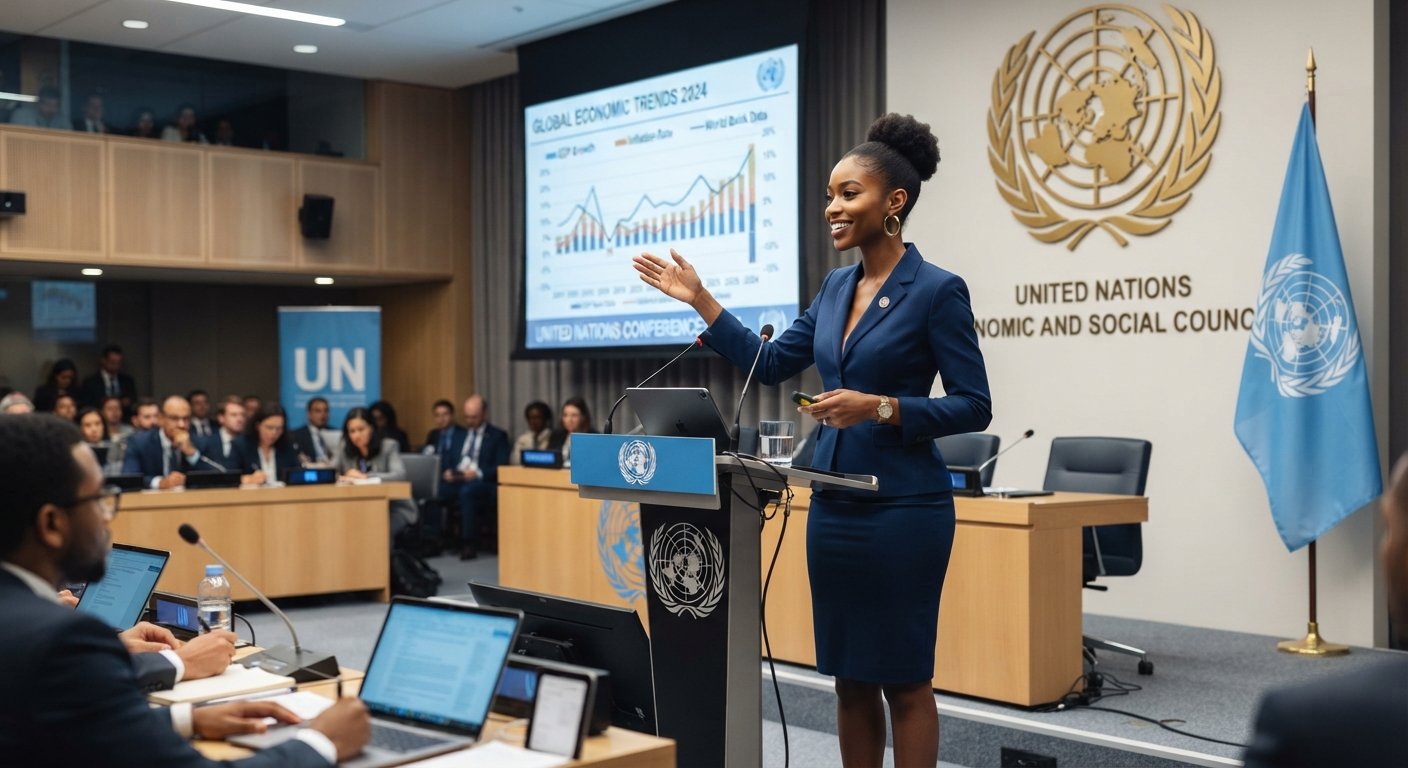
A Strong United Nations Must Regulate the World Economy

The Illusion of Unilateralism: Why Global Stability Requires a Robust United Nations

The pronouncement by former President Trump that complex geopolitical conflicts, such as the tensions with Iran, can be resolved—and oil prices subsequently stabilized—solely through the result of a domestic midterm election is a dangerous oversimplification of international affairs. Such rhetoric promotes an illusion of unilateral control over a globalized world. In reality, the interconnected nature of modern security and economics dictates that lasting peace and stability cannot be achieved through the whims of a single national administration. Instead, this essay argues that authentic geopolitical security and economic predictability can only be secured through a strengthened, centralized multilateral framework, specifically a United Nations empowered to regulate the global economy and override national fiscal policies for the greater good.

Continue reading “A Strong United Nations Must Regulate the World Economy”

Socialism and the AI Revolution

The rapid advancement of artificial intelligence and automation presents a structural crisis for modern labor markets. As machine intelligence increasingly replicates cognitive as well as physical tasks, traditional economic models face unprecedented disruption. Addressing this systemic challenge requires examining how different socioeconomic systems approach the relationship between technological progress and human livelihood.

Continue reading “Socialism and the AI Revolution”

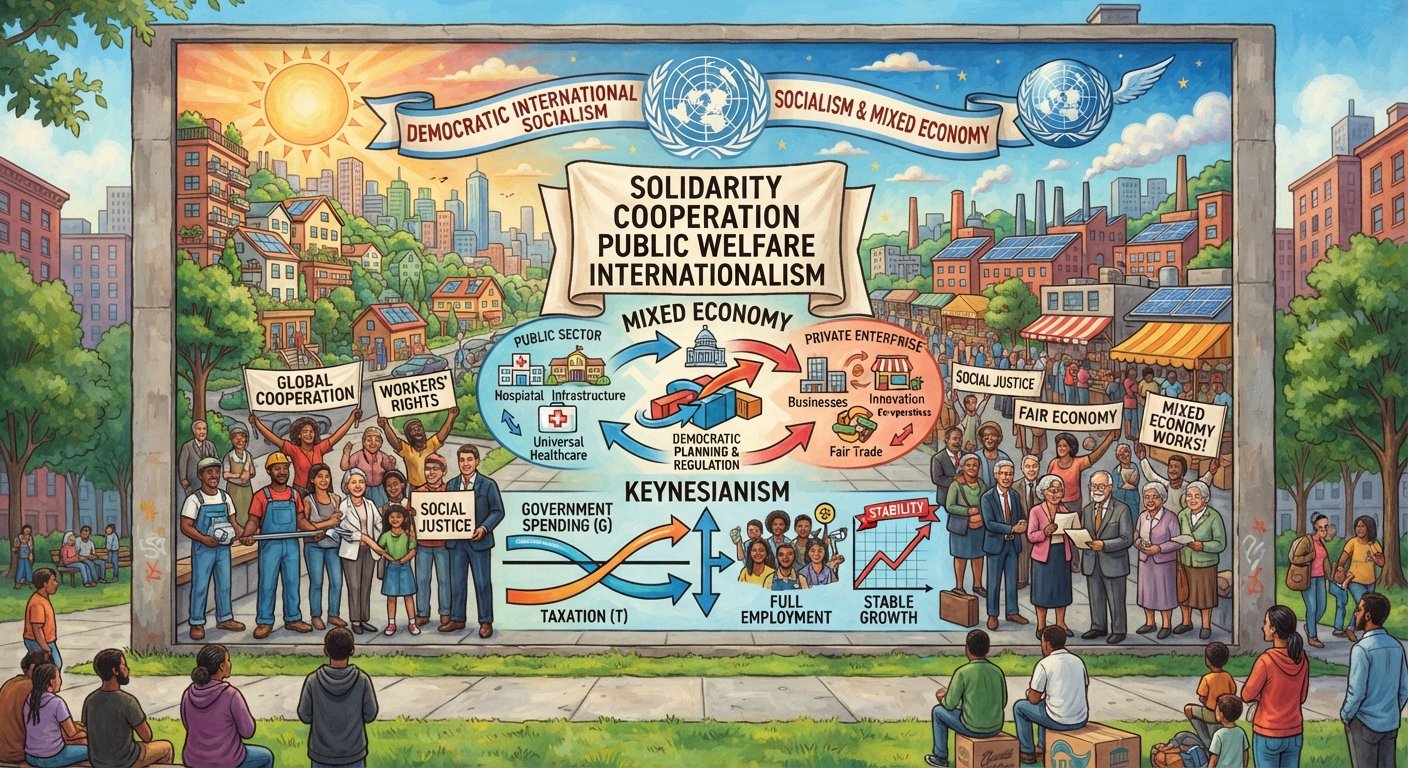
International Socialism

International democratic socialism, when paired with a pragmatic mixed economy, a foundation of Keynesian demand management, and a measured dose of monetarism to curb inflation, offers a compelling framework for modern global equity and stability. This model rejects the false dichotomy of pure laissez-faire capitalism and rigid state command economies, forging instead a human-centric path that harnesses market productivity while prioritizing collective well-being.

Continue reading “International Socialism”

School Vouchers are not Needed

School vouchers represent a fundamentally flawed approach to education reform, functioning primarily as a mechanism that funnels public tax dollars into private institutions while exacerbating socioeconomic stratification. By diverting critical financial resources away from the public school system, voucher programs undermine the foundational promise of universal, equitable education, leaving traditional public schools underfunded and increasingly ill-equipped to serve their communities.

Continue reading “School Vouchers are not Needed”

United Nations Tax

The realization of a sustainable, highly advanced global civilization requires moving past the limits of fragmented, nation-state governance toward a unified planetary authority. At the cornerstone of this future world government lies a revolutionary institutional mechanism: a centralized United Nations global individual income tax. For generations, global challenges such as climate collapse, resource scarcity, and planetary health crises have been undermined by the voluntary contributions and competing agendas of individual countries. To secure a thriving future for humanity, the UN must evolve into the world’s preeminent governing body, backed by the direct authority to tax citizens globally.

Continue reading “United Nations Tax”