
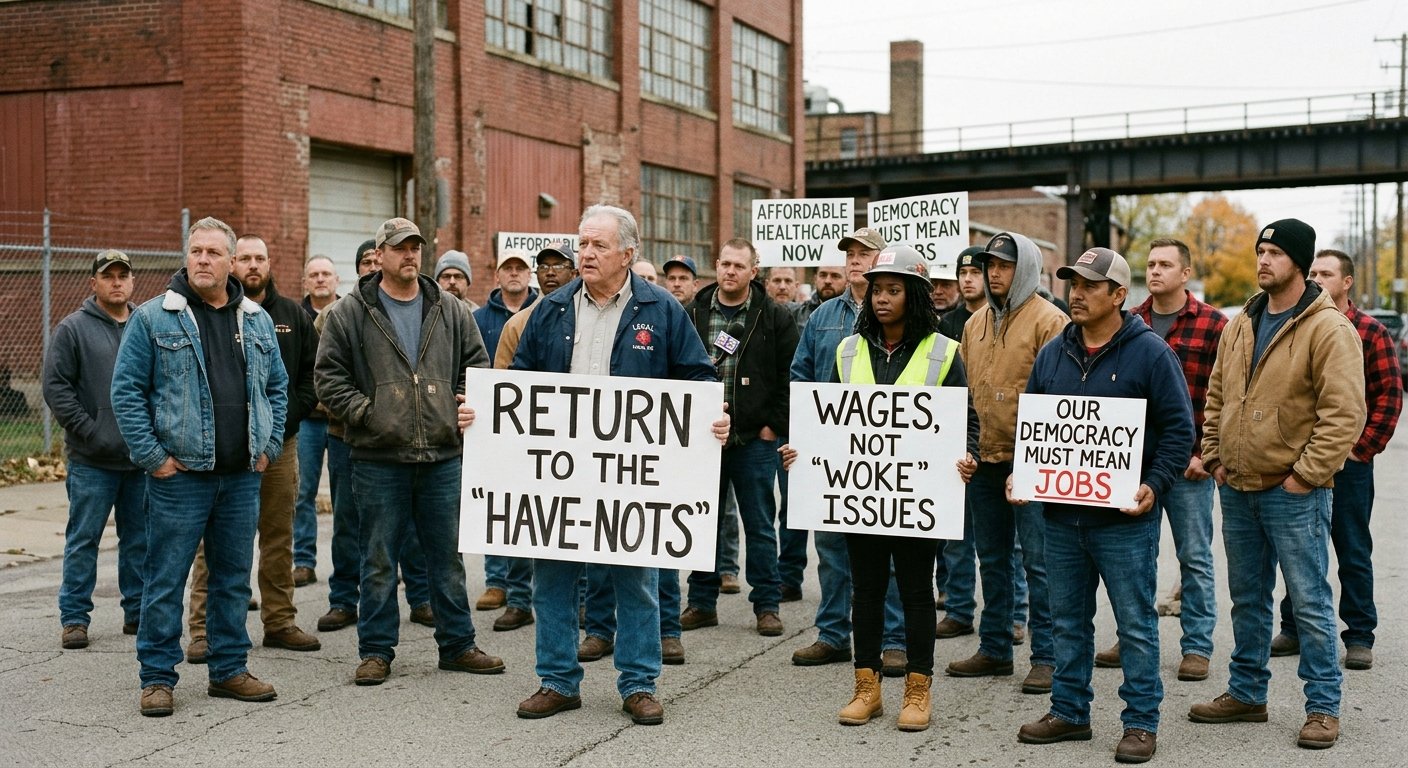
The CNN analysis, “Economic woes transform the Midwest into a massive midterms battleground”, captures a pivotal dynamic in contemporary American politics: persistent inflationary pressure, corporate consolidation, and lingering employment anxiety have re-opened electoral fault lines across the Rust Belt and broader American heartland. Voters across Michigan, Wisconsin, Ohio, and Pennsylvania are expressing deep skepticism toward incumbents of both parties who fail to deliver tangible cost-of-living relief.
For the Democratic Party, this economic opening presents both an opportunity and a critical crossroad. While current economic anxieties may grant Democrats short-term tactical advantages in midterm battlegrounds, achieving sustainable, long-term electoral success beyond the current decade requires a fundamental realignment of the party’s platform. To build a durable coalition, Democrats must shift their primary focus away from boutique social causes—often critiqued as elite-driven “political correctness” or “wokeness”—and return to their historical roots: a class-based, populist agenda centered on the economic interests of the working class across all demographic backgrounds.
The Divergence: The “Have-Nots” vs. The “Belong-Nots”
For much of the 20th century, the New Deal coalition anchored the Democratic Party as the undisputed champion of the working class—the “have-nots.” This coalition united industrial workers, rural farmers, and urban laborers under a shared banner of material security, strong labor standards, public investment, and collective bargaining rights.
Over the past two decades, however, the party’s focus gradually shifted toward cultural liberalism and identity-based grievances—catering heavily to what political analysts term the “belong-nots,” or social groups seeking cultural inclusion and symbolic recognition. While civil rights and inclusion remain essential pillars of a free society, elevated priority on identity-focused rhetoric has created a severe socio-cultural disconnect with broad segments of working-class Americans.
As academic and political commentators like Thomas Frank have argued in analyses of American politics, when a major political party abandons economic populism in favor of cultural liberalism, it alienates the very working-class base that built it. Working-class voters—whether White, Black, Latino, or Asian—share immediate material concerns: housing affordability, medical debt, wage stagnation, trade enforcement, and energy costs. When political elites replace discussions of wage growth and manufacturing policy with academic jargon around identity politics, working-class voters naturally feel alienated.
Why Cultural Signaling Fails in the Rust Belt
The Midwest serves as a real-time litmus test for this political tension. Rust Belt communities have borne the brunt of decaded-long factory closures, regional disinvestment, and rising costs of living. In these regions, political performance is judged on pragmatic outcomes—jobs, prices, infrastructure, and community stability—rather than ideological alignment on social debates.
When the Democratic brand becomes synonymous with coastal progressivism or corporate performative activism, it actively pushes working-class voters into the arms of right-wing populism. Conservatives have successfully capitalized on this dynamic, framing Democrats as a party of highly educated, urban professionals who view working-class values with condescension.
To break this pattern, Democrats must recognize two core political realities:
- Economic Anxiety Is Cross-Demographic: Working-class Black, Latino, and White voters share far more in common economically than cultural messaging suggests. Focusing on universal economic rights—such as living wages, affordable healthcare, and regional infrastructure investment—bridges racial divides rather than accentuating them.
- Social Issues Lack Broad Consensus: A platform dominated by polarizing social stances fractures broad coalitions. Conversely, economic populism—protecting Medicare, lowering prescription drug costs, incentivizing domestic manufacturing, and strengthening unions—commands supermajority support across party lines.
A Roadmap for Structural Realignment
If the Democratic Party intends to turn temporary midterm gains into a lasting realignment across the heartland, it must undergo a platform pivot built on three key pillars:
1. Champion Material Well-Being Over Symbolic Battles
The platform must prioritize universal material benefits: robust industrial policy, federal investment in domestic supply chains, public healthcare reform, and aggressive anti-monopoly enforcement. Voters evaluate parties based on their bank accounts and community vitality, not symbolic declarations.
2. Embrace Multiracial Class Solidarity
Rather than dividing the electorate into micro-targeted demographic slices, the party must adopt a unified class identity. Labor organizing efforts demonstrate that workers across diverse backgrounds unite around fair compensation, workplace safety, and retirement security.
3. Reject Cultural Elite Paternalism
Party messaging must step away from ideological litmus tests and academic terminology that alienate average voters. Returning to straightforward, plain-spoken language focused on work, fairness, and community stability is necessary to restore credibility in non-metropolitan districts.
Conclusion
The economic turbulence highlighted in CNN’s coverage underscores a fundamental truth about American elections: voters prioritize their economic survival above all else. The Midwest is not permanently lost to Democrats, but winning it back for the long term requires more than relying on opposition missteps.
By moving away from performative social signaling and reclaiming its identity as the party of the “have-nots,” the Democratic Party can build a broad, multi-racial, working-class coalition capable of delivering economic dignity to voters and securing sustained political success for decades to come.
Sources & External Reading
- CNN Politics – “Economic woes transform the Midwest into a massive midterms battleground”
- University of Illinois Press / Labor Studies – Labor, Class, and Politics in the American Heartland
- U.S. Bureau of Labor Statistics – Economic Indicators & Employment Data
More than 16 million Americans have already cast early ballots as economic concerns drive voter turnout across key midterm battleground states.
Voters turn out early in key midterm battleground states
This report highlights how high prices on daily necessities are driving voters in competitive states like Texas, Ohio, and across the Midwest to the polls, illustrating the central role economic concerns play in shaping voter decisions this election cycle.