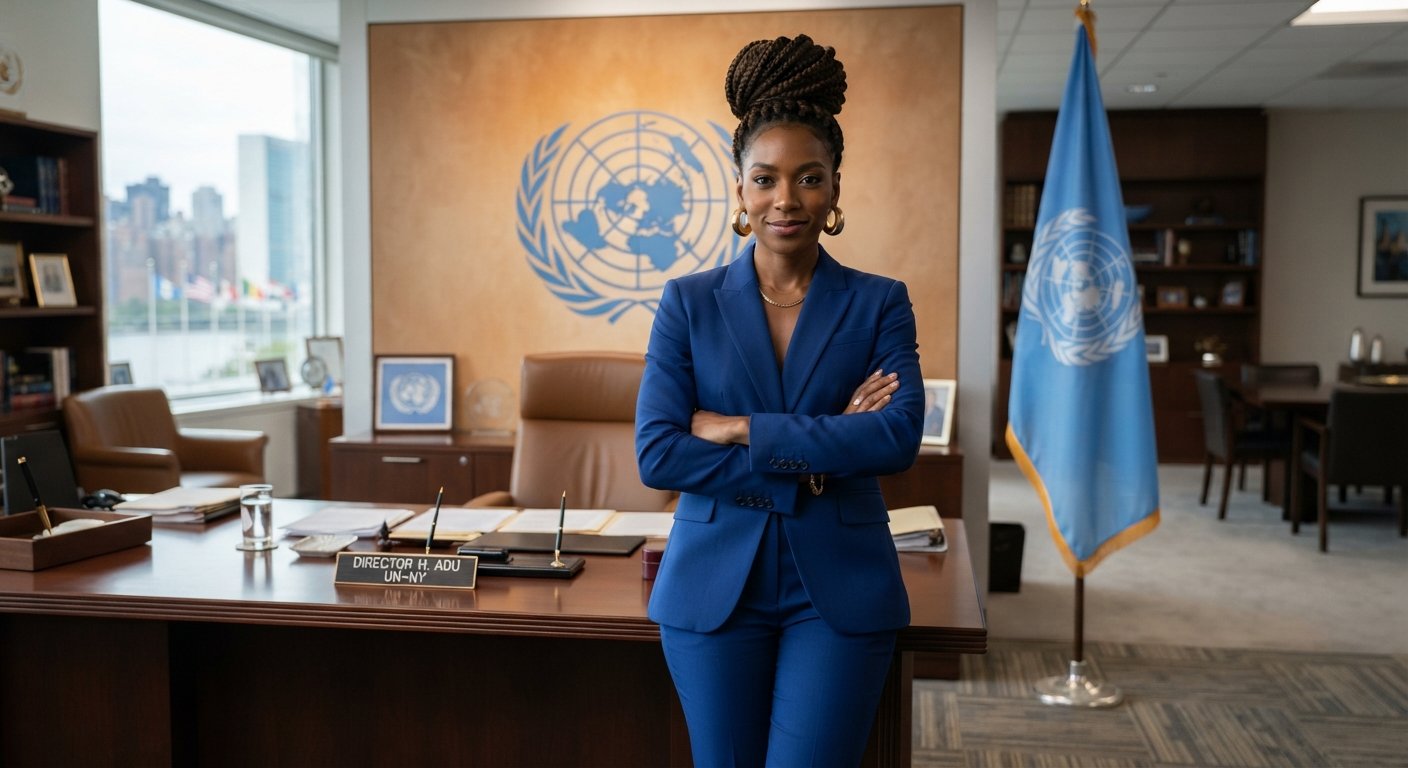
The modern global landscape is defined by transnational crises—climate change, economic instability, pandemics, and systemic inequality—that routinely outpace the legislative reach of traditional nation-states. Addressing these interconnected challenges demands an evolution in human governance, transforming the United Nations from a forum for diplomatic debate into a sovereign, democratically elected world government. By redesigning the UN architecture around the principles of democratic socialism and Keynesian economic stewardship, humanity can construct a stabilizing institutional framework capable of securing equitable prosperity and planetary survival.
Continue reading “World Government”Classical Music for Young People
The Symphony of the Mind: Why Classical Music Education Belongs in Our Schools
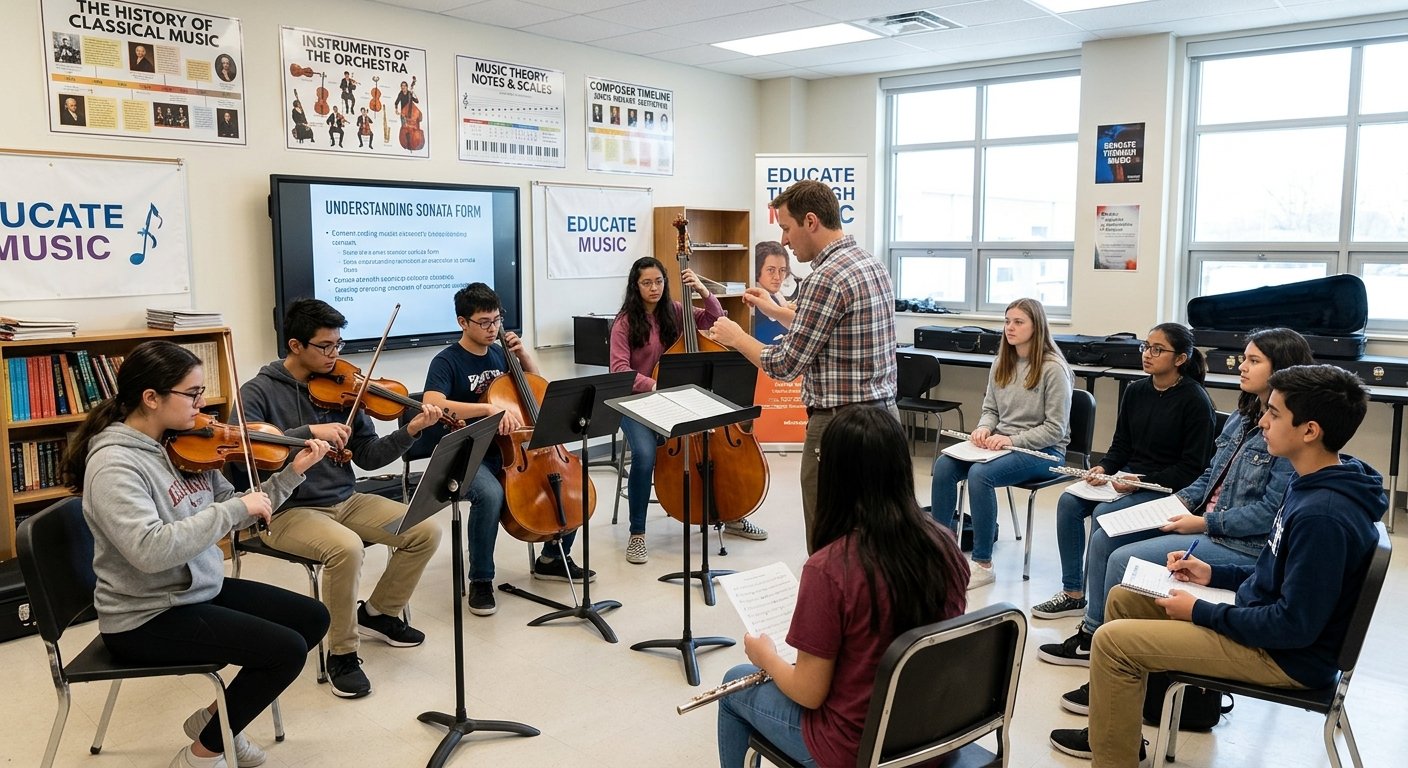
In an era defined by rapid technological shifts and hyper-accelerated media, school curricula are under constant pressure to prioritize immediate, practical utility. Subjects like coding, data analysis, and vocational training often take center stage. Yet, amidst this push for modernization, one of the most powerful tools for intellectual and personal development is frequently sidelined: classical music education. Integrating classical music into school curricula—both through active performance and structured listening—is not merely an artistic enrichment activity; it is a rigorous academic catalyst that enhances cognitive function, fosters discipline, and enriches the emotional development of young people.
Continue reading “Classical Music for Young People”UN News
The United Nations news site serves as an essential digital bridge between multilateral diplomacy and global public awareness. In an era defined by information overload and polarized media ecosystems, this platform provides a centralized, authoritative source for international reporting, policy developments, and humanitarian field updates. By translating complex bureaucratic resolutions and multifaceted peacekeeping operations into accessible journalism across six official languages, the site democratizes access to global affairs. It ensures that critical updates regarding climate change accords, human rights investigations, and public health emergencies reach ordinary citizens, educators, and policy analysts without commercial distortion or sensationalist filter.
Continue reading “UN News”UN Power and Function
The imperative for the United Nations to mediate the conflict between the United States and Iran and secure global stability stems directly from its foundational mandate, though fulfilling this role demands a substantial evolution in its authority and enforcement capabilities. As hostilities, regional proxy flashpoints, and disputes over nuclear enrichment and maritime navigation threaten to plunge the globe into broader conflict, reliance on bilateral talks or regional frameworks often proves insufficient. The UN remains the sole universal body legally and morally equipped to handle this crisis, yet its historical efficacy has been hamstrung by structural limitations. To successfully police peace between superpowers and regional powers, the UN requires a fundamental consolidation of power.
Continue reading “UN Power and Function”Keynesian Economics
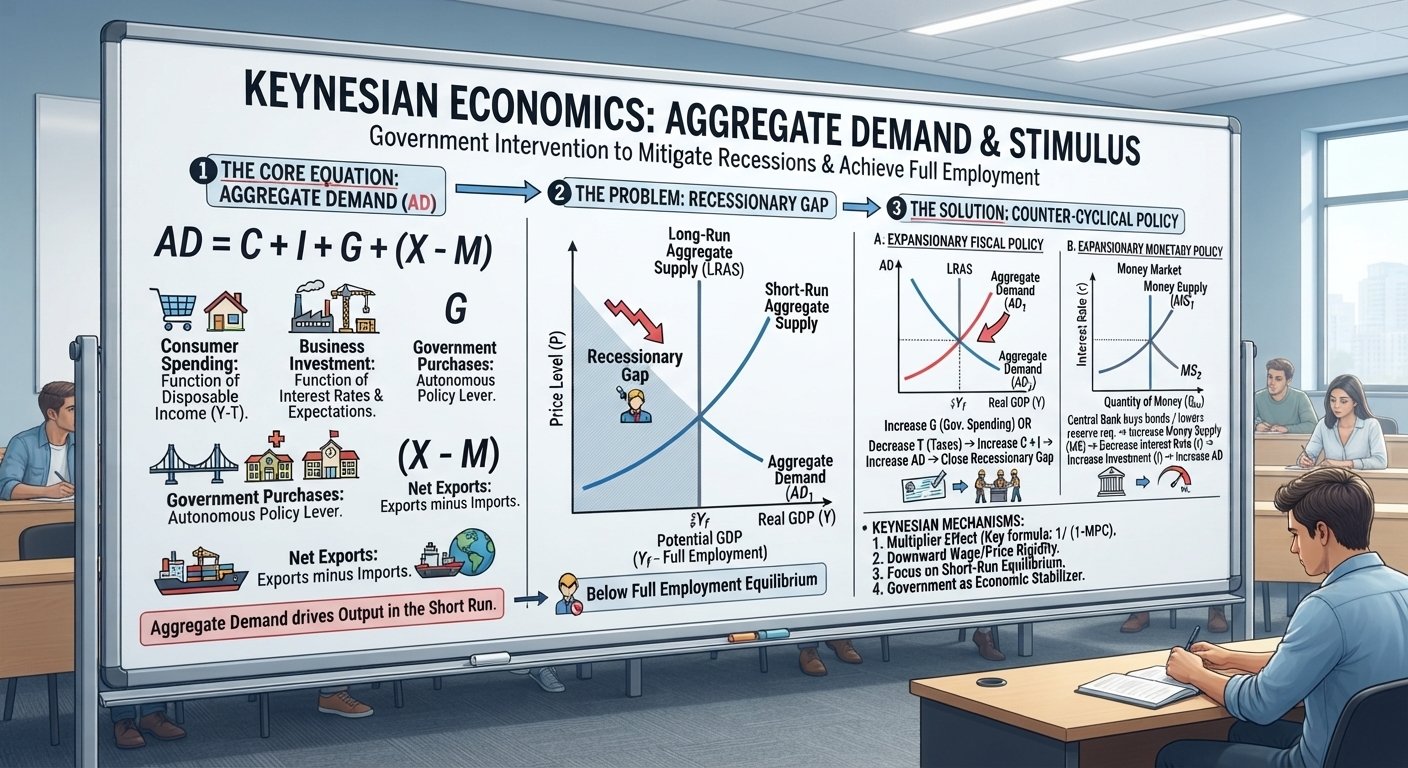
Keynesian economics, developed by British economist John Maynard Keynes during the Great Depression, fundamentally reshaped macroeconomic theory by challenging classical economic assumptions. Classical economists believed that free markets naturally self-corrected over the long run, ensuring full employment. Keynes countered this complacency with his famous observation that “in the long run we are all dead,” emphasizing that immediate, active government intervention is necessary during economic downturns. The foundational principles of this framework focus on aggregate demand, market rigidities, and counter-cyclical policy.
Continue reading “Keynesian Economics”