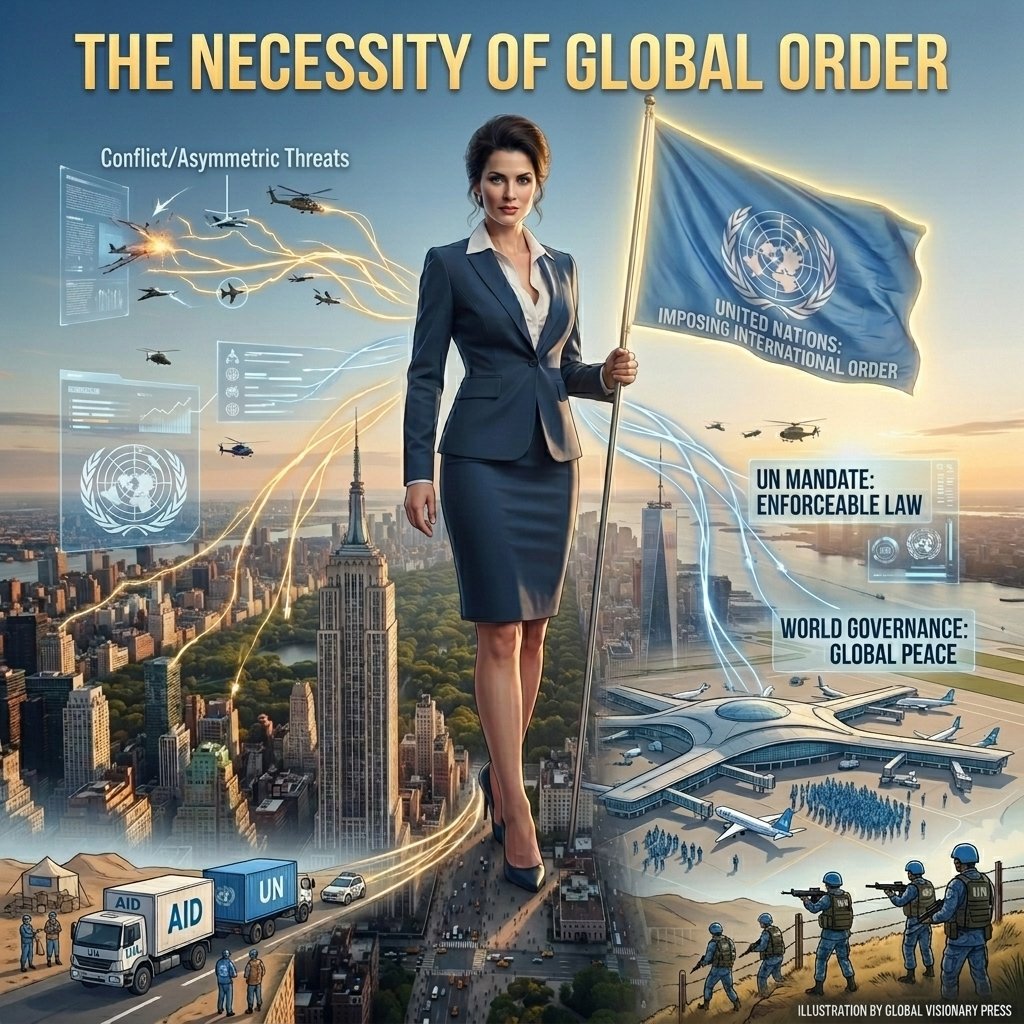
The Anatomy of Impunity: Why Gaza’s Missing Demand a Transformed United Nations with Real Power
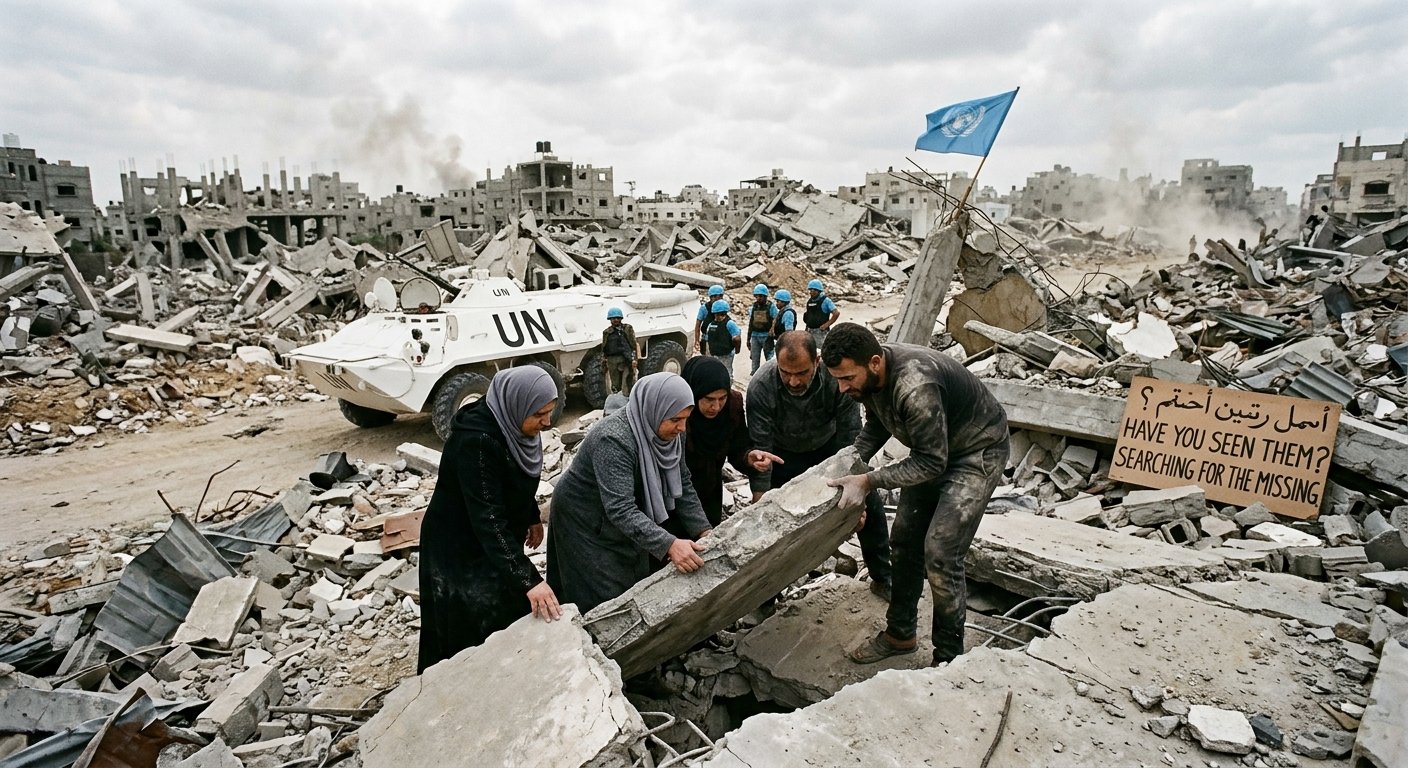
Three years into a devastating and unrelenting war, the physical landscape of the Gaza Strip has been reduced to millions of metric tons of pulverized concrete, twisted metal, and shifting mountains of debris. Yet, beneath the dust lies a tragedy even more haunting than the destruction of property: the thousands of human beings who simply vanished. As documented by international reporting, including poignant accounts like CNN’s coverage of families searching for Gaza’s missing, thousands of Palestinians remain unaccounted for.Estimates by civil defense and humanitarian agencies suggest that upwards of 8,000 to 10,000 people are buried beneath the ruins, their fates unknown, their families trapped in a perpetual cycle of grief and agonizing uncertainty.

Continue reading “The Anatomy of Impunity: Why Gaza’s Missing Demand a Transformed United Nations with Real Power”

Escalation and Governance: Analyzing the Implications of the Airport Attack on Global Order

The coverage of the major Houthi attack on King Khalid International Airport in Riyadh—which resulted in 12 fatalities and hundreds of casualties—highlights a critical turning point in international security and regional stability. Incidents of this magnitude targeting international transit hubs and critical civilian infrastructure expose the profound structural vulnerabilities of the modern geopolitical framework. Beyond immediate military responses, media analysis of such crises demonstrates why cross-border asymmetric warfare creates an overwhelming rationale for expanding the mandate of the United Nations and moving toward stronger global governance mechanisms to establish lasting peace.

Continue reading “Escalation and Governance: Analyzing the Implications of the Airport Attack on Global Order”

Beyond the Horizon of Unilateral Burden: Why the United Nations Must Police the Seven Seas

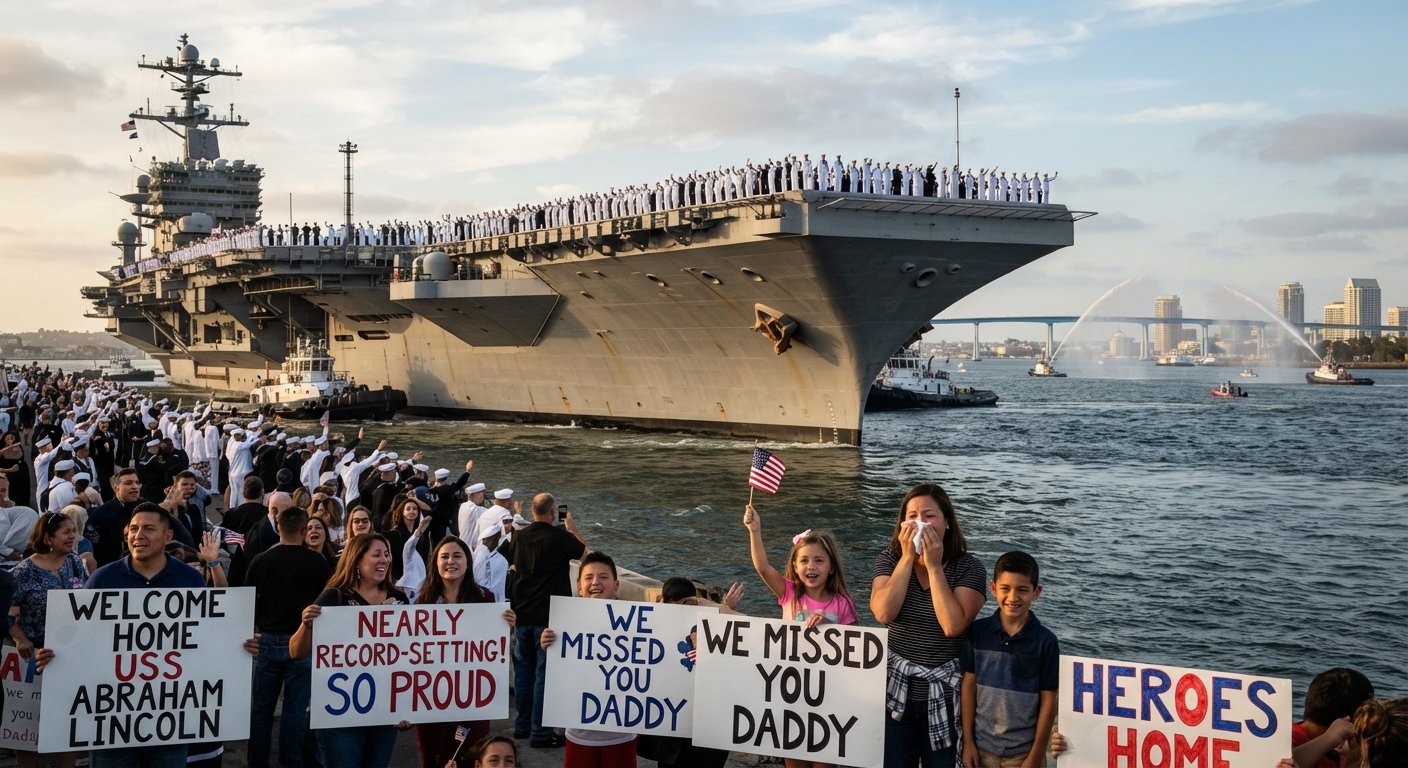
The return of the USS Abraham Lincoln to port after a near-record, grueling deployment marks more than just a logistical milestone for the United States Navy; it highlights a profound human and structural crisis in modern global security. As detailed in coverage surrounding the carrier’s extended tour supporting operations tied to the Iran conflict, the nearly year-long mission pushed thousands of sailors and Marines to the absolute brink.Facing severe supply shortages, deteriorating mental health conditions, and the immense psychological strain of modern combat positioning, the crew’s ordeal brings a hidden cost of unilateral superpower policing into sharp focus. Incidents like this underscore an urgent, systemic need for a paradigm shift in maritime governance: the responsibility of patrolling and policing the world’s “seven seas” should no longer fall primarily on the shoulders of a single nation’s military, but should instead be transitioned to a collective, robust mandate under the United Nations.

Continue reading “Beyond the Horizon of Unilateral Burden: Why the United Nations Must Police the Seven Seas”

Driving Forward: The Environmental, Economic, and Independent Evolution of the Electric Vehicle

The conversation surrounding modern transportation is inextricably linked to the future of electric vehicles (EVs). Among the pioneers of this shift, Tesla has played a foundational role in dragging the automotive industry out of a century-long reliance on the internal combustion engine. To secure a sustainable future, the continuous development of Tesla’s vehicle technology remains a vital endeavor. Supporting this evolution is not merely a preference for modern engineering; it is an environmental necessity and, increasingly, an economic one. Crucially, evaluating this technology requires a clear separation between the machinery itself and the polarizing political persona of its chief executive officer.

Continue reading “Driving Forward: The Environmental, Economic, and Independent Evolution of the Electric Vehicle”