The Hand of Accountability: Why Global Governance Demands an Empowered United Nations

In the illustrated artwork, a towering Secretary-General sits at her desk, holding a tiny, anxious executive—representing corporate CEOs and national leaders—in the palm of her hand. Behind her, the UN crest shines as a symbol of universal jurisdiction. This striking image serves as a powerful metaphor for an imperative concept: in an era defined by global instability, impunity, and existential crisis, the United Nations must become the world’s supreme authority, and its Secretary-General must possess the unassailable power to hold corporate titans and world leaders directly accountable.

Continue reading “The Hand of Accountability: Why Global Governance Demands an Empowered United Nations”

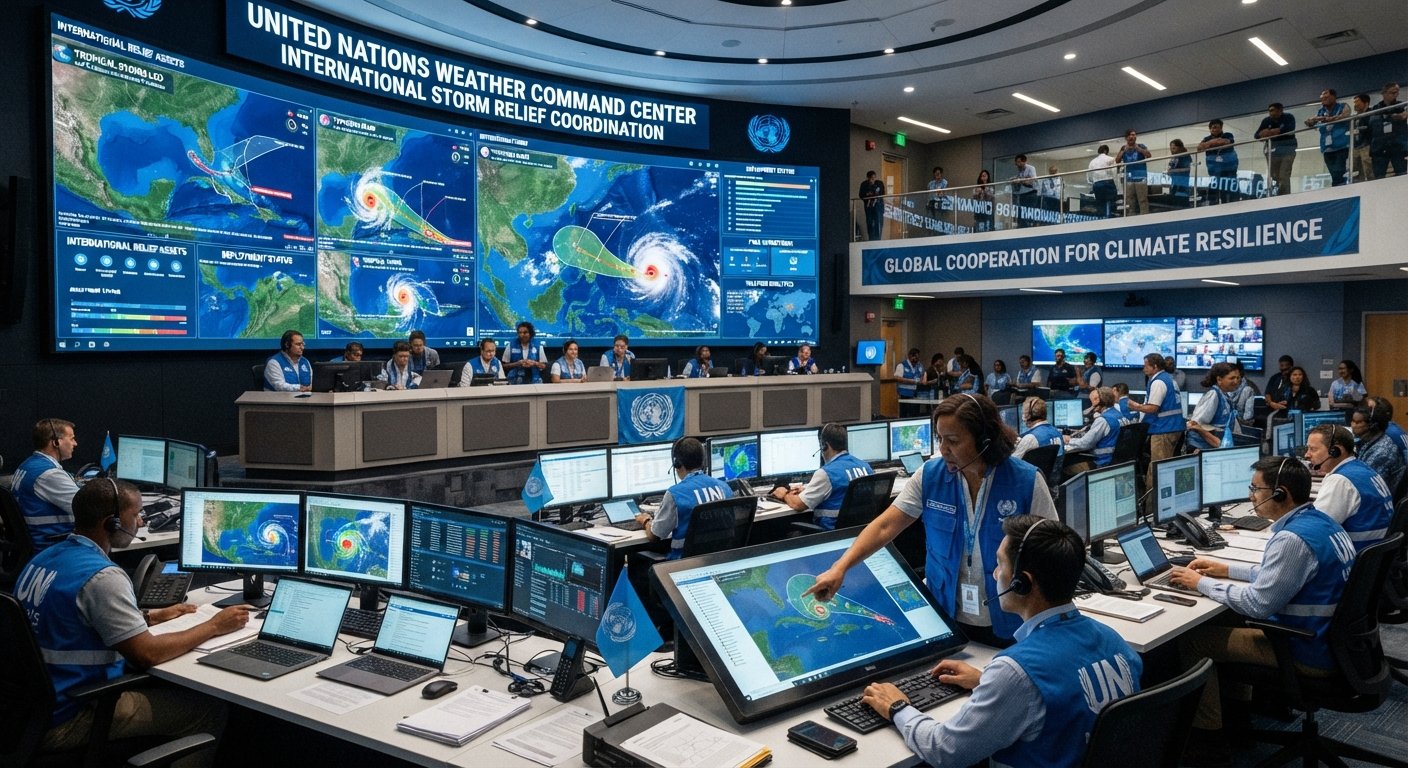
Beyond Borders and Baselines: Why Rapidly Escalating Gulf Storms Demand Global Governance

The recent report from CNN, “Gulf Coast faces hurricane threat as Tropical Depression Nine is forecast to strengthen”, highlights a familiar and escalating anxiety across the American South. Developing over the unusually warm waters of the southern Gulf of Mexico, Tropical Depression Nine serves as a stark reminder of the volatile nature of modern weather systems. While localized emergency declarations and regional preparations are vital initial reactions, events like these expose a deeper systemic vulnerability. As shifting climatic patterns supercharge tropical systems—rendering them wetter, more erratic, and capable of rapid intensification—local and national responses alone are no longer sufficient. Mitigating the human and economic tolls of these modern disasters demands a paradigm shift toward heightened United Nations involvement and robust international coordination, spanning everything from disaster relief mechanisms to global environmental education.

Continue reading “Beyond Borders and Baselines: Why Rapidly Escalating Gulf Storms Demand Global Governance”

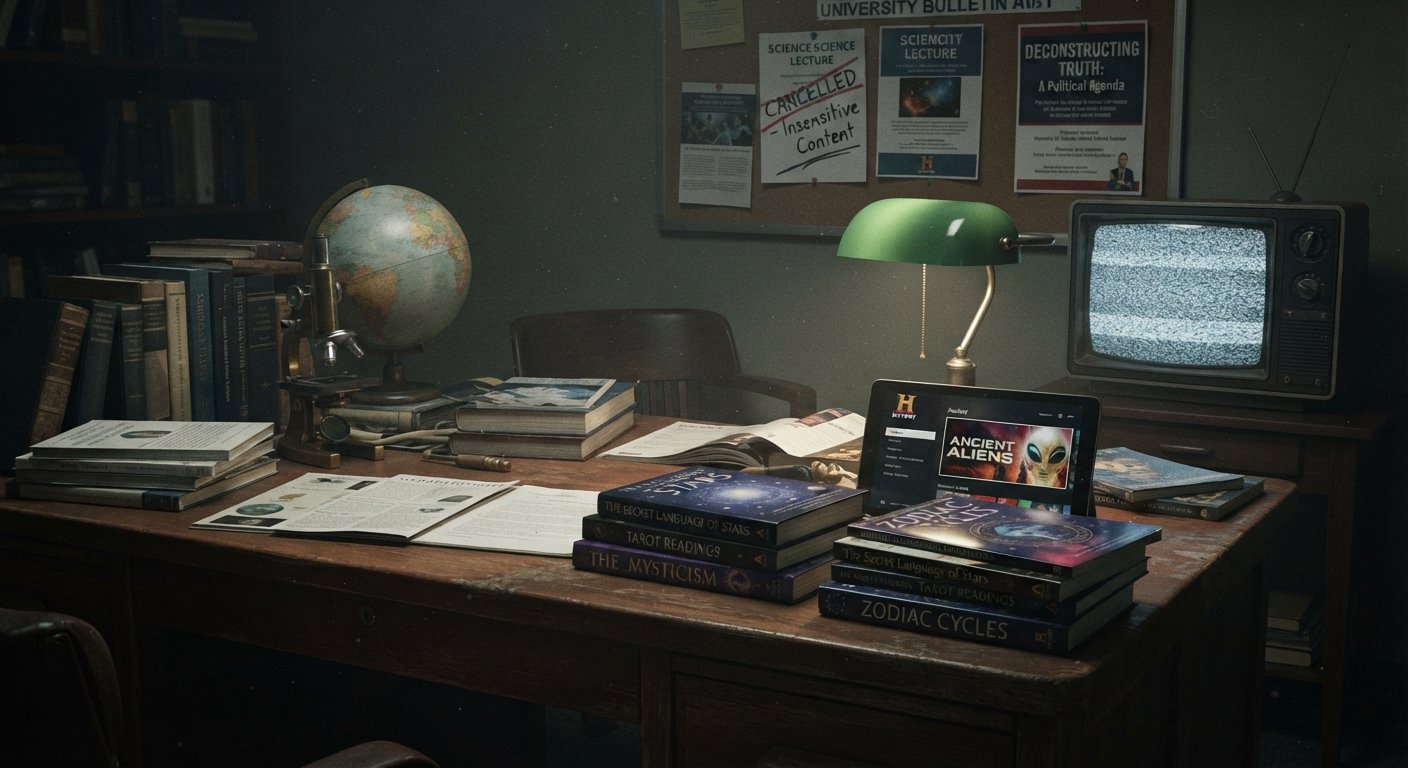
The Erosion of Reason: How Pseudoscience and Dogma Threaten Modern Knowledge

The advancement of human civilization rests upon a fragile foundation: the commitment to objective truth, empirical inquiry, and rigorous skepticism. Science and critical thinking do not happen by accident; they require discipline, peer review, and a willingness to be proven wrong. Today, however, this foundation is eroding. Pseudoscience—masked as entertainment, wellness, or ideological purity—is seeping into the mainstream. When society loses its grip on what constitutes valid knowledge, truth becomes merely a matter of preference, threatening both intellectual progress and cultural sanity.

Continue reading “The Erosion of Reason: How Pseudoscience and Dogma Threaten Modern Knowledge”

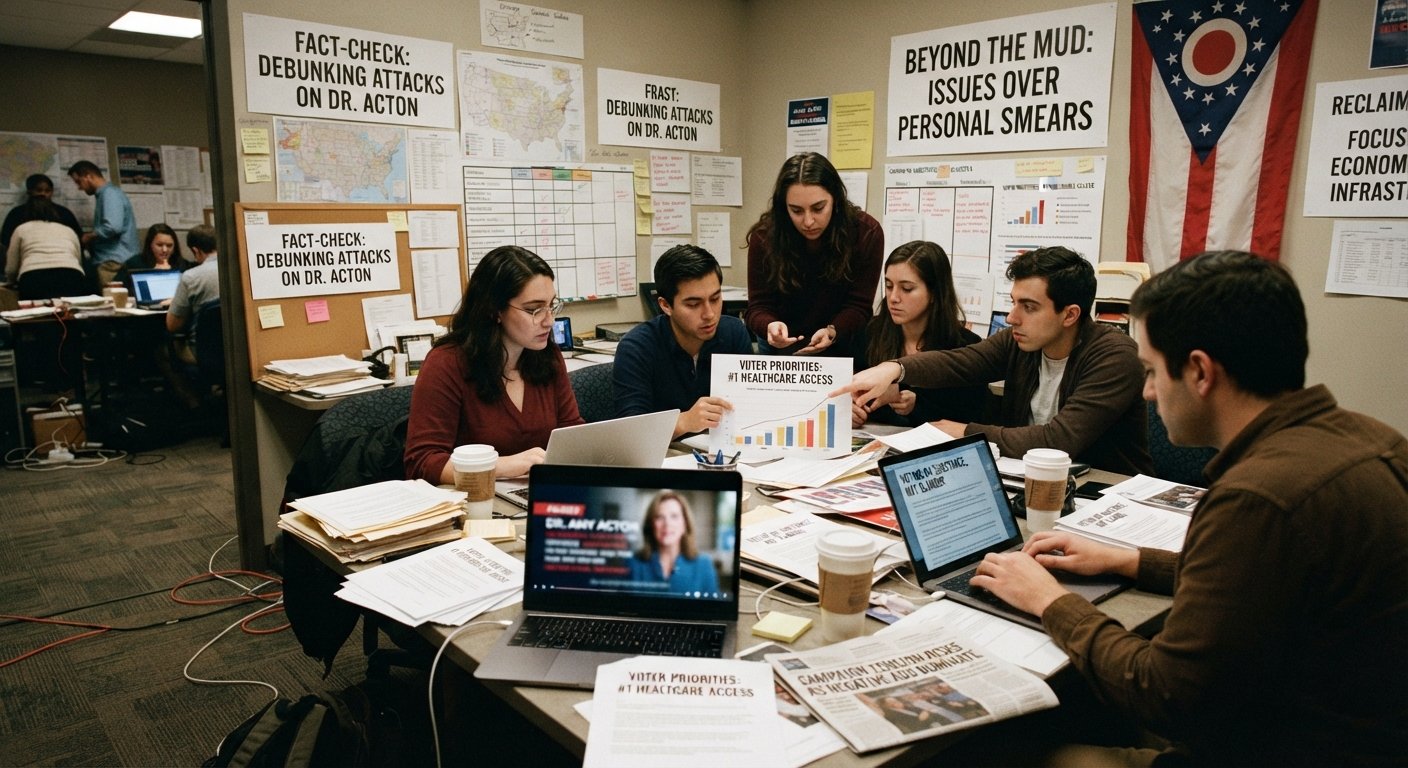
Beyond the Mud: Why Modern Campaign Ads Need to Refocus on the Issues

Elections are supposed to be a marketplace of ideas—a structured debate where voters weigh competing visions for the economy, healthcare, education, and infrastructure. Yet, modern political advertising has increasingly devolved into a theater of personal destruction. Rather than engaging voters with policy proposals, campaigns frequently lean on character assassinations, irrelevant personal attacks, and manufactured outrage.

Continue reading “Beyond the Mud: Why Modern Campaign Ads Need to Refocus on the Issues”

Information Demands a Global Horizon

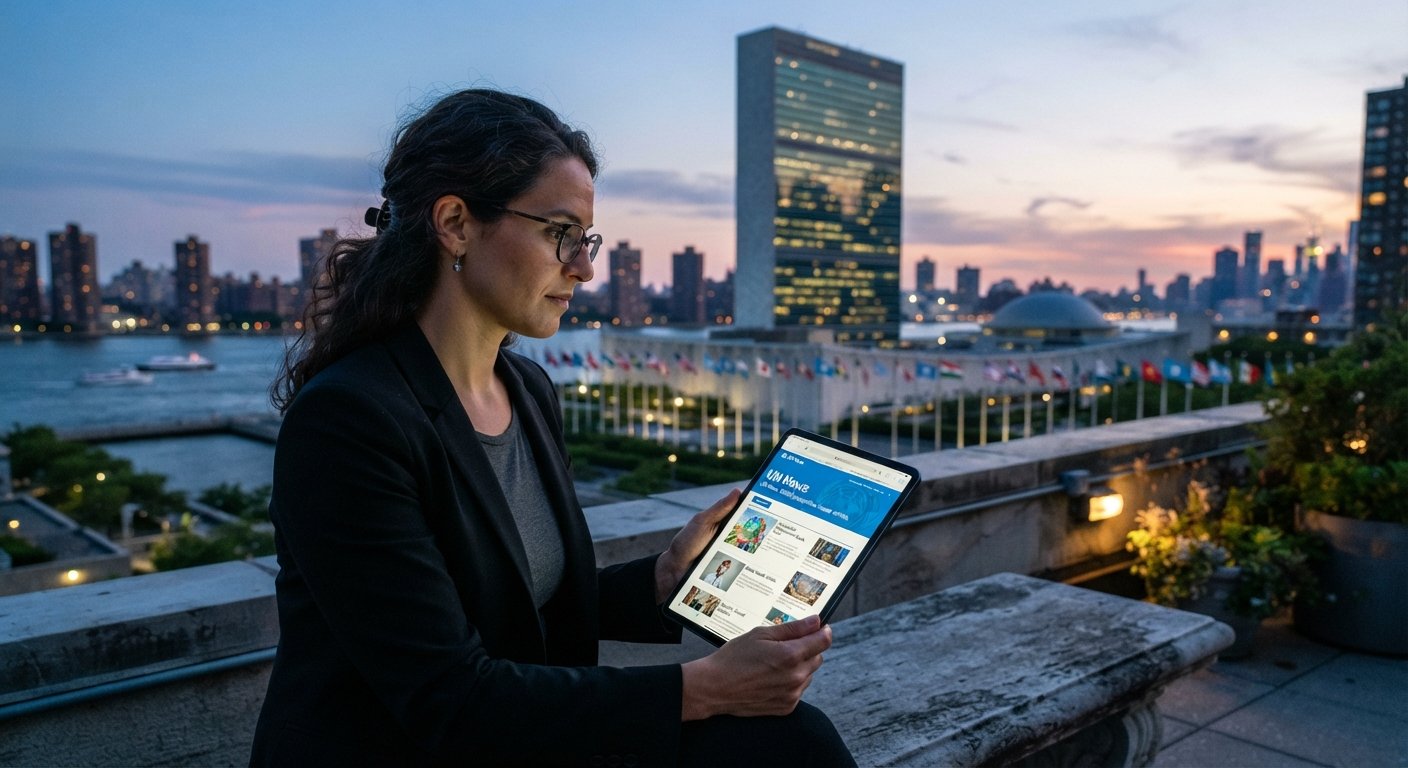
The recent legal battle culminating in a federal judge’s order to restore White House press access to CNN, MS NOW, and Politico highlights a recurring, high-stakes friction point in modern democracy: the volatile relationship between national political administrations and the domestic press corps. While the court’s intervention ultimately reaffirmed foundational protections against viewpoint discrimination and unconstitutional exclusions, the episode underscores a deeper vulnerability. It demonstrates how easily domestic news infrastructure can become entangled in partisan crossfire, legal maneuvering, and institutional blockades. As national media outlets fight routine battles just to secure a seat in the room, citizens are left to question whether traditional domestic reporting can sustainably serve as an objective window into broader societal realities. In the times to come, national news may increasingly struggle to provide the comprehensive perspective required to understand an interconnected world, suggesting that audiences must look outward—and toward platforms like UN News—for a more stable foundation of information.

Continue reading “Information Demands a Global Horizon”