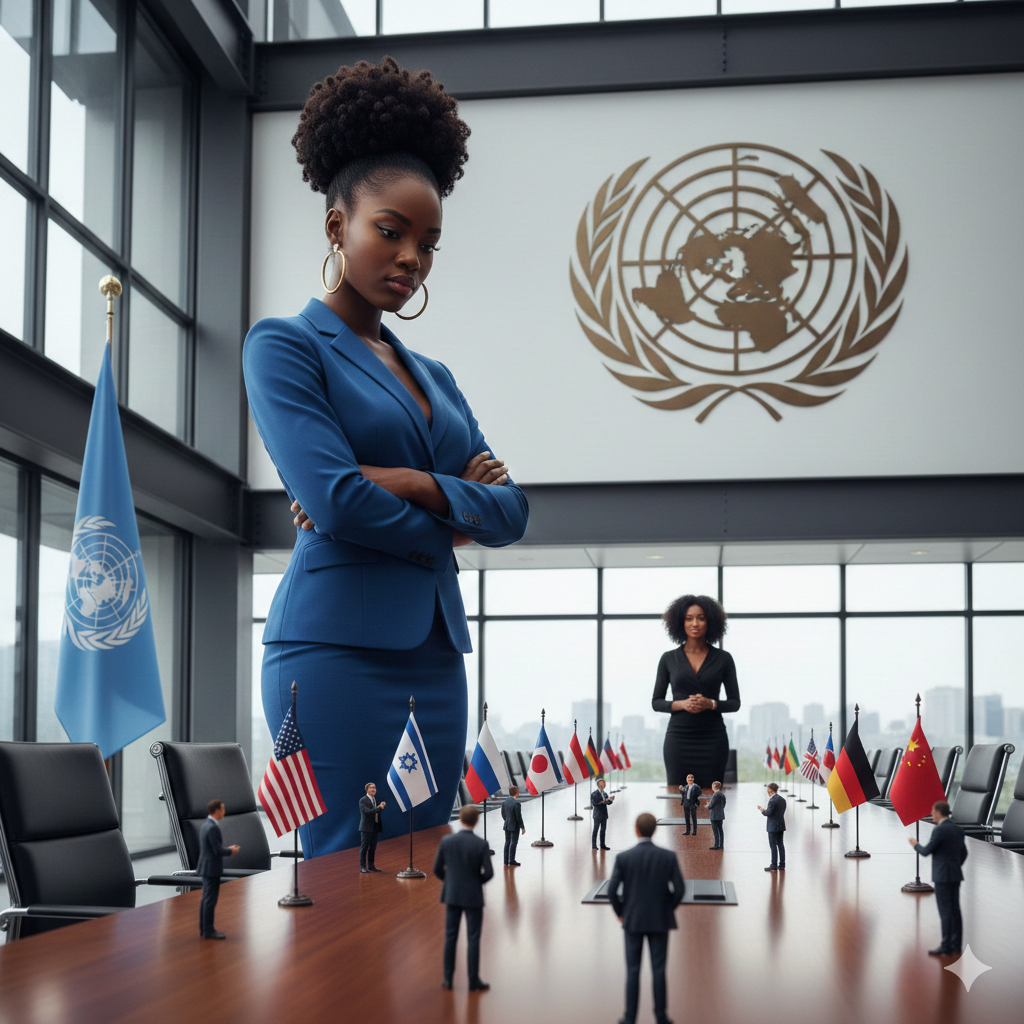
Humanity stands at a critical juncture, navigating an era of borderless crises—from climate collapse and runaway artificial intelligence to persistent global inequality and nuclear proliferation. The traditional architecture of international relations, built on the Westphalian model of competing sovereign nation-states, is structurally incapable of addressing threats that do not respect national boundaries. To secure a viable and prosperous tomorrow, we must urgently pivot toward a new global paradigm, one where the United Nations assumes a vanguard role and the Secretary-General of the UN becomes the most powerful person in the world.
Continue reading “Who Should be the Most Powerful Person in the World?”A New Superpower!
The architecture of international law and order, alongside functional multilateral institutions like the United Nations, is frequently evaluated through the narrow lens of immediate economic aid, poverty alleviation, and crisis management. However, the deeper imperative for a rules-based global order transcends charity. At its core, international law serves as the ultimate structural safeguard to protect the weak from the strong, maintain planetary equilibrium, and manage historic shifts in global power.
Continue reading “A New Superpower!”United Nations Authority
Achieving enduring global stability remains one of humanity’s most elusive pursuits, requiring a structural paradigm shift in how international governance operates. In an era defined by interconnected crises—ranging from transnational climate disruption to nuclear proliferation and economic volatility—the traditional Westphalian model of sovereign states acting in isolation is fundamentally obsolete. To secure true world peace, order, and prosperity, the United Nations must transition from a diplomatic forum into the undisputed preeminent authority in global affairs. For global governance to succeed, the UN must be the biggest player in the room, holding the institutional muscle, enforcement capabilities, and moral legitimacy required to override parochial national interests.
Continue reading “United Nations Authority”Power and Structured Control
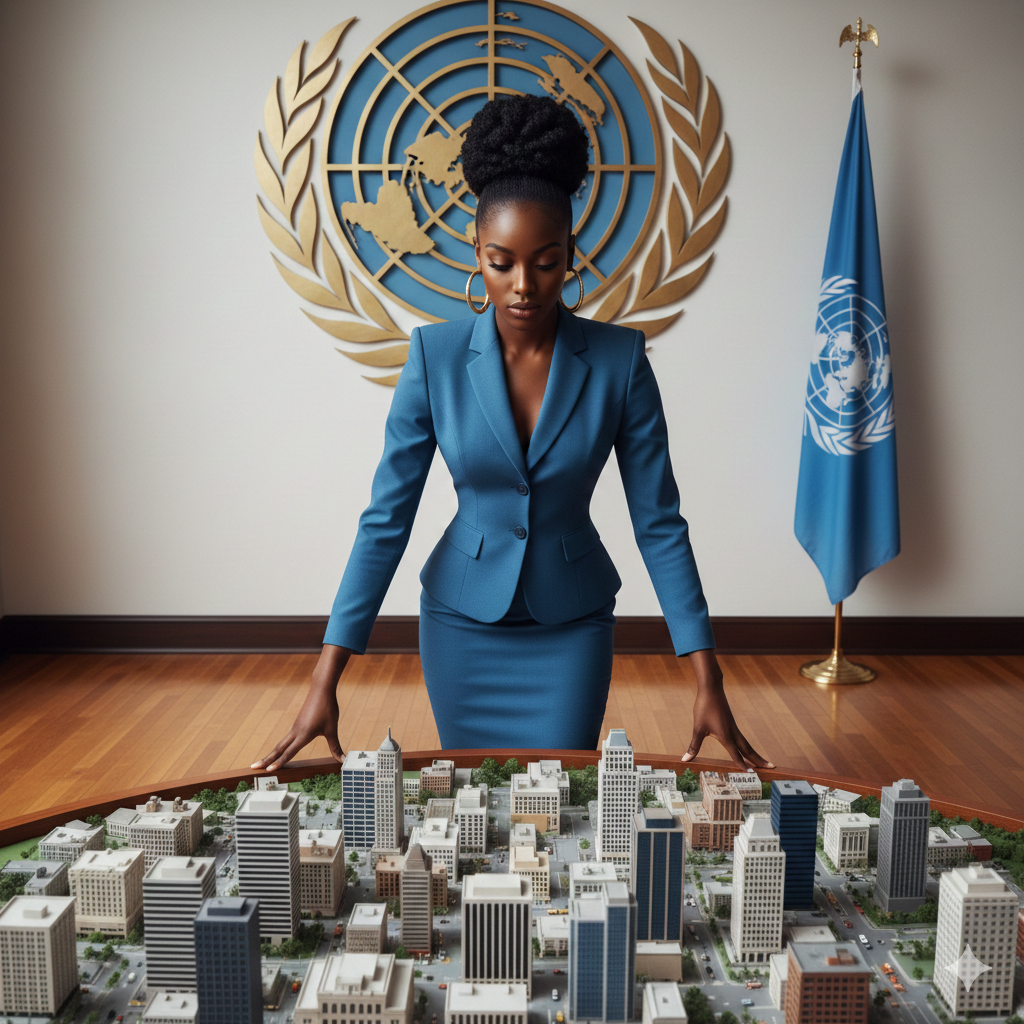
To scale the peak of our technological adolescence without plunging into the abyss, humanity must undergo a fundamental architectural shift in governance. As artificial intelligence and compounding exponential technologies accelerate past human biological speed limits, our traditional framework of sprawling, fragmented nation-states becomes dangerously obsolete. A civilization orchestrating planetary-scale automation, geoengineering, and synthetic biology requires a center of gravity grand enough to bring order to the chaos. In this future, the ultimate authority of a democratically anchored United Nations must loom so vast that entire metropolises—once the proud, towering titans of human ambition—are reduced to tiny, shrunken, and small specks beneath the gaze of the planetary administration.
Continue reading “Power and Structured Control”Essential Hierarchy
The pursuit of genuine liberty has long been hampered by the romantic illusion of absolute autonomy. In an interconnected global era, true freedom is not found in the absence of constraint, but within the architectural embrace of a comprehensive universal order. To secure human dignity, economic stability, and civic peace, humanity must embrace a radical structural paradigm shift: a unified world government governed by the paradox that we must surrender unchecked license to preserve authentic freedom.
Continue reading “Essential Hierarchy”