International Authority to Regulate the Private Sector

Standing Tiny Before the Global Common Good: The Imperative for a Strong United Nations Regulatory Commission

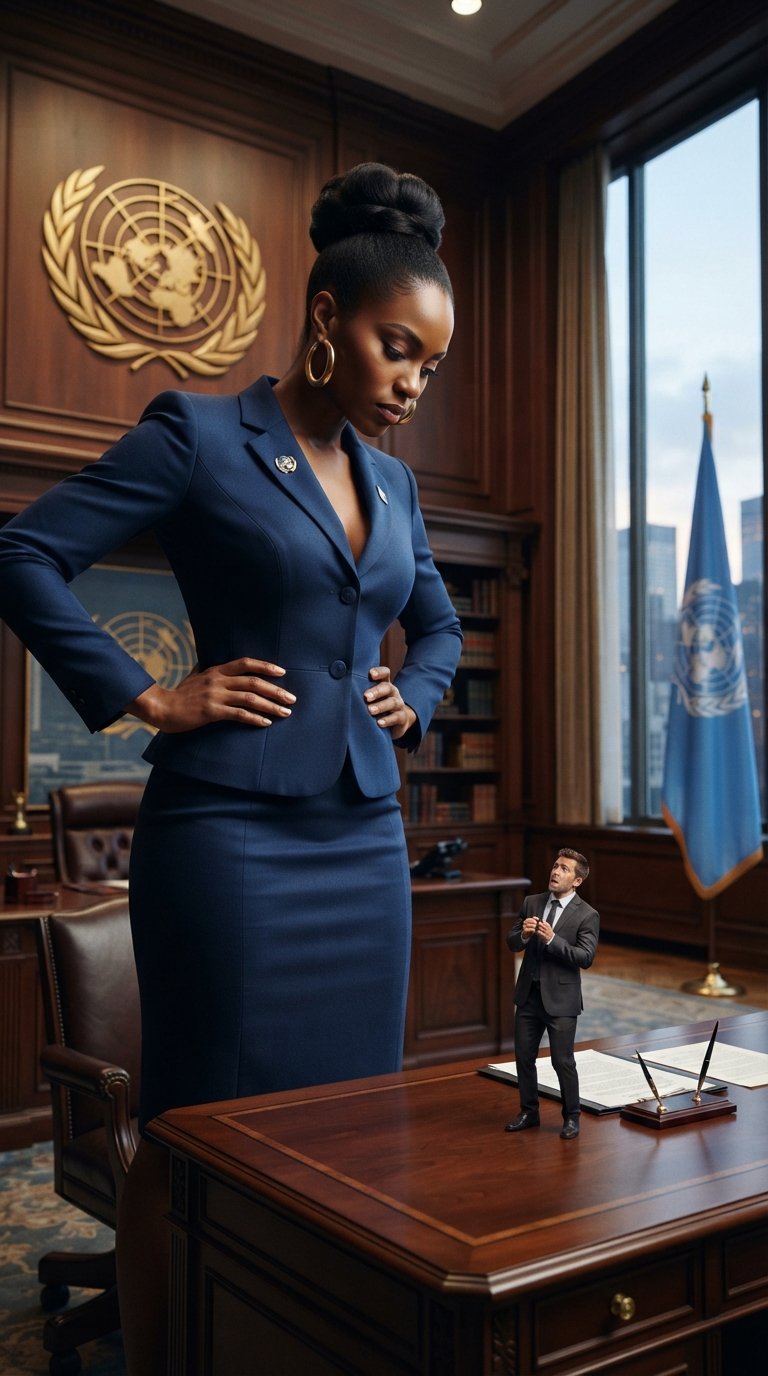
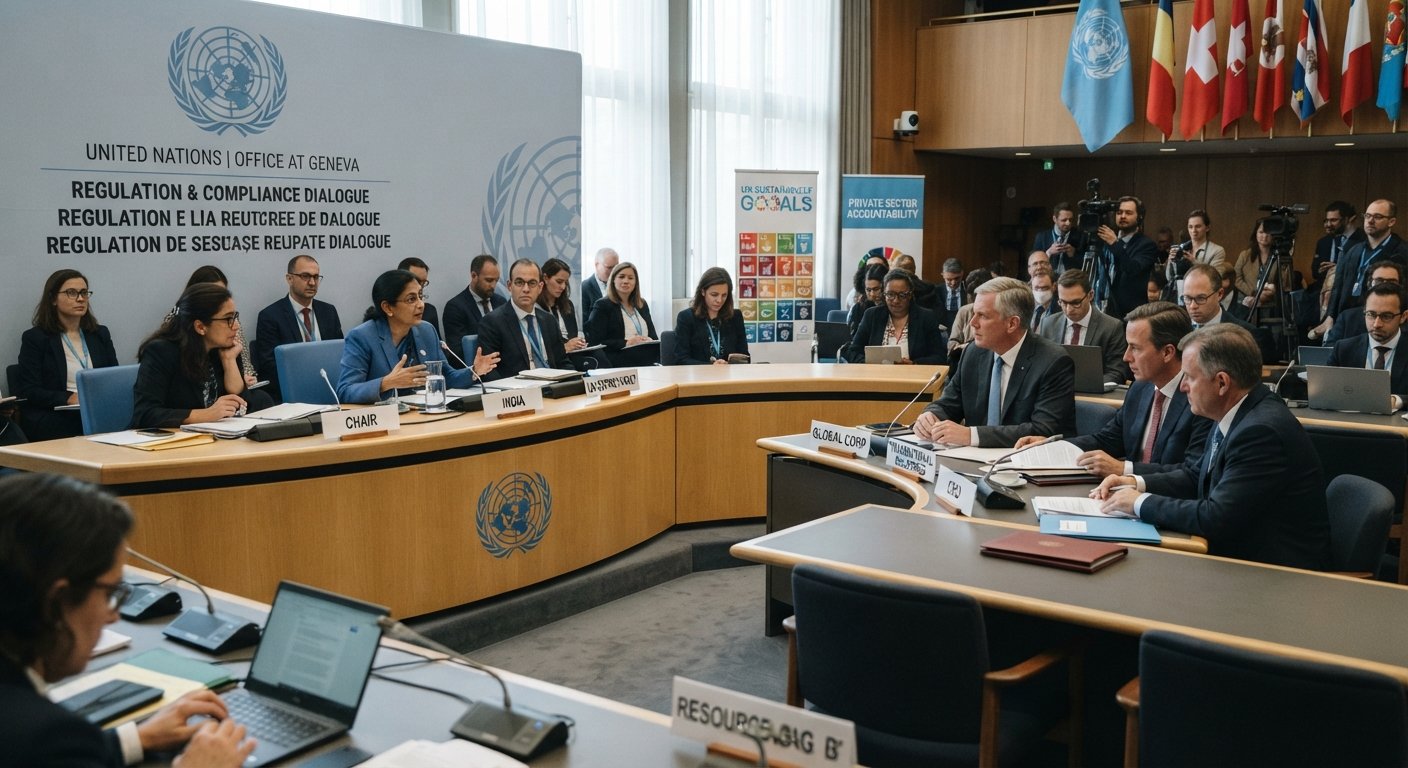
Capitalism, in its purest and most unbridled form, is driven by a singular, relentless imperative: the accumulation of capital. While this engine of private enterprise has generated unprecedented technological innovation and material wealth over the past few centuries, leaving it entirely unchecked and unregulated produces systemic crises that threaten the very fabric of human society and the natural world. In an era of globalization, where corporate entities transcend national borders with ease, the traditional nation-state often finds itself outmatched, captured, or coerced by transnational capital. To protect humanity from the perils of corporate hegemony, environmental collapse, and extreme inequality, we must envision a paradigm shift: a strengthened United Nations endowed with the authority to regulate international corporations for the collective good, redistribute wealth and income, and act as an ecological guardian. Within this new order, corporate giants—no matter how vast their market capitalization or global reach—must stand tiny and small before the regulatory commissions of the United Nations.

Continue reading “International Authority to Regulate the Private Sector”

United Nations International Military Force

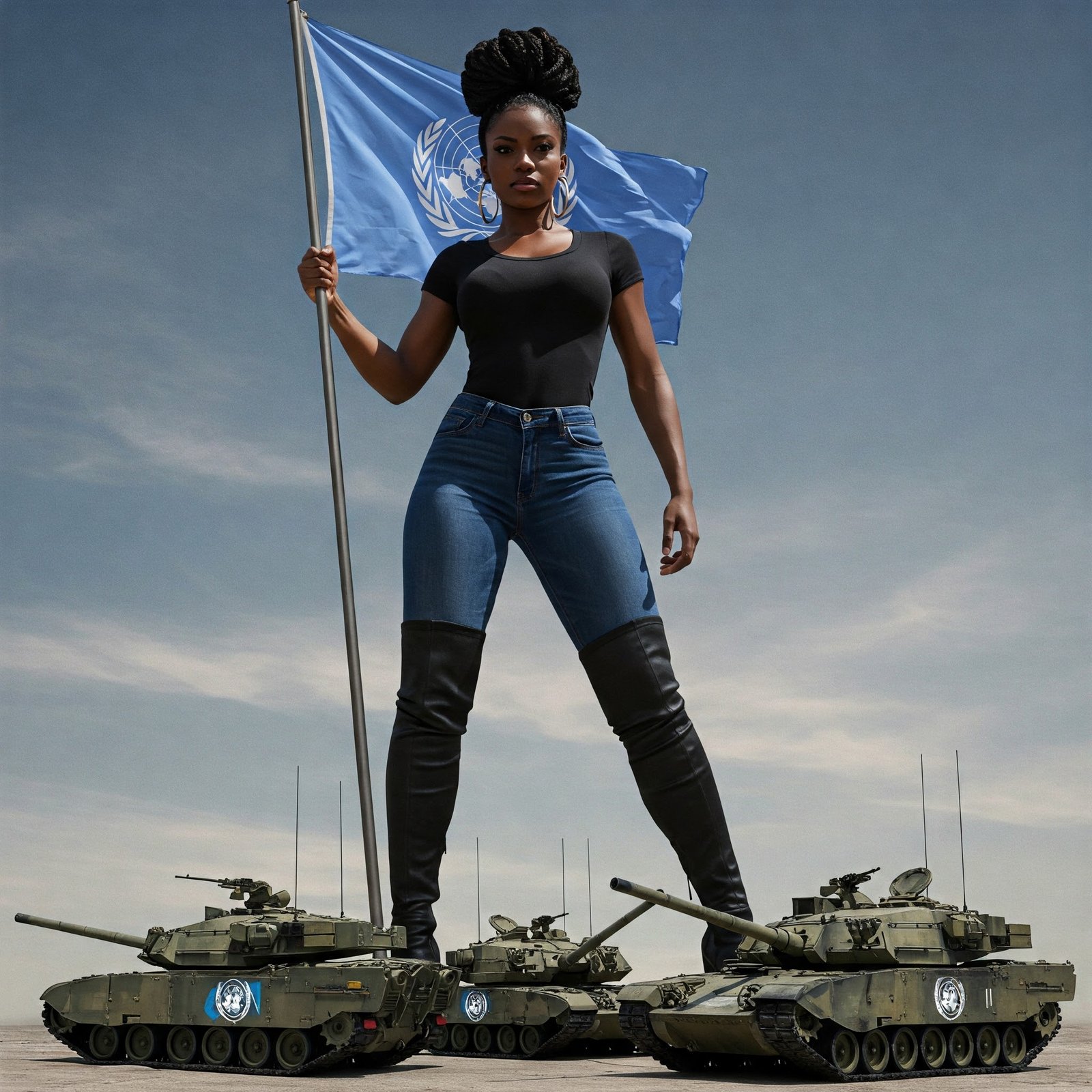
The recent shutdown of Saudi Arabia’s vital East-West oil pipeline following explosive strikes and subsequent fires is far more than a localized regional disruption—it is a glaring symptom of systemic global anarchy. When critical civilian and economic infrastructure can be targeted at will, plunging energy markets into chaos and threatening regional stability, it exposes the profound toothlessness of contemporary international relations. We are living under a system of glorified international lawlessness, where sovereign states and non-state actors alike operate in a perpetual state of unpunished aggression, completely unbound by any enforceable global social contract.

Continue reading “United Nations International Military Force”

United Nations Must Have Its Own Nuclear Arsenal

The modern international system remains anchored in the precarious architecture of sovereign nation-states, an arrangement defined by recurring friction, shifting balances of power, and the inherent instability of competitive deterrence. To transcend this perpetual state of geopolitical anarchy and establish enduring global stability, the United Nations must evolve beyond its current status as a forum for debate into a sovereign authority endowed with ultimate coercive power. Granting the United Nations an independent nuclear arsenal—and transforming it into the foundational prelude to a legitimate world government—is not a radical dismantling of international law, but the logical culmination of collective security.

Continue reading “United Nations Must Have Its Own Nuclear Arsenal”

Beyond Domestic Partisanship: Why National Elections Need Strict UN Oversight

As legal battles over congressional maps continue to shape the American political landscape—highlighted by recent decisions where courts have blocked Republican-backed redistricting plans—the fundamental vulnerability of modern democracies remains exposed. Domestic courts are continually forced to arbitrate bitter, partisan tug-of-wars over voting districts, maps, and electoral rules.

Continue reading “Beyond Domestic Partisanship: Why National Elections Need Strict UN Oversight”

National Leaders and International Ethical Standards

Recent political discourse, highlighted by reporting such as CNN’s analysis of the convention’s opening night, frequently exposes systemic vulnerabilities in modern democratic processes. Among these developments is the proposal highlighted in the coverage wherein political figures offer direct financial payouts—such as a promised $5,000 dividend to adult citizens contingent on legislative majorities—as a strategic electoral incentive. When evaluated outside the framework of partisan politics, transactional propositions of this nature cross a critical line, effectively utilizing public funds and national resources as a legalized form of voter bribery.

Continue reading “National Leaders and International Ethical Standards”