
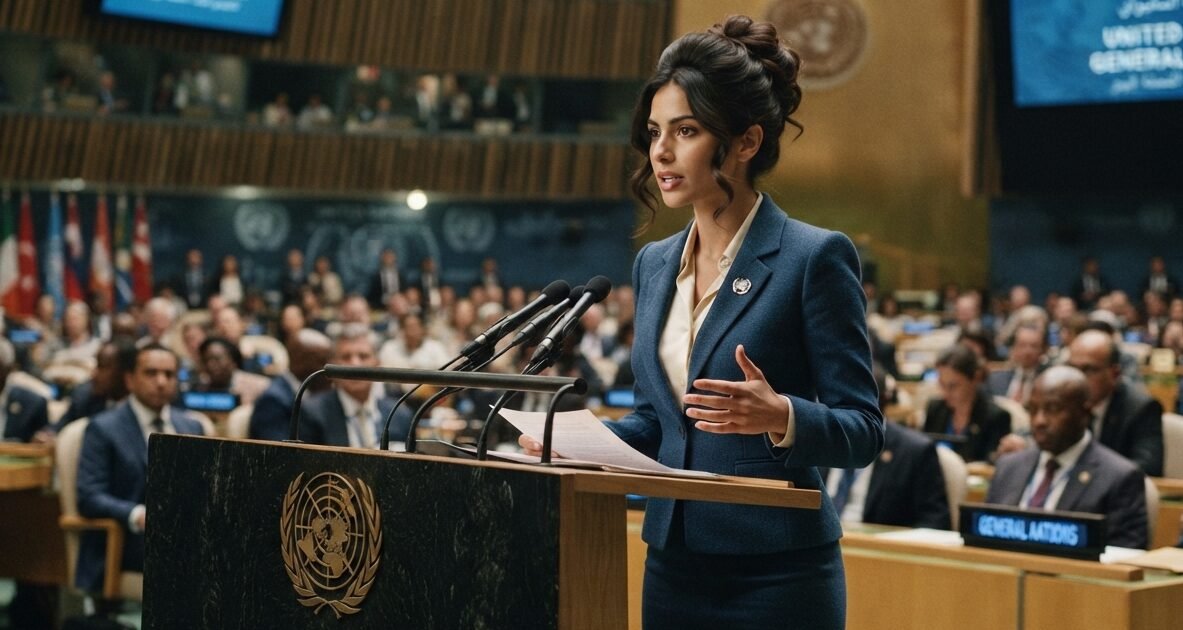
In an interconnected era defined by complex transnational challenges—ranging from localized geopolitical conflicts and nuclear proliferation to global economic instability and environmental degradation—the necessity of a robust, empowered United Nations has never been more critical. Founded in the wake of devastating global conflict in 1945, the UN serves as the primary architecture for international diplomacy, human rights protection, and collective security. A strong United Nations is not merely a bureaucratic institution; it is an indispensable pillar for world peace, economic prosperity, and the preservation of international law.
Fostering Peace and Preventing Conflict
The foundational mandate of the United Nations is to save succeeding generations from the scourge of war. Through its diplomatic frameworks, preventive diplomacy, and specialized peacekeeping missions, the UN provides a permanent forum where nations can negotiate rather than fight.
Scholarly analyses and institutional overviews, such as those detailed by the Brookings Institution’s analysis of the UN’s role in global peace, highlight that multilateral engagement is crucial for mitigating protracted conflicts and addressing the root causes of instability. Without a centralized, neutral mediator to host dialogues and enforce international norms, regional disputes risk escalating into catastrophic global confrontations.
Furthermore, empirical research into global stability demonstrates a direct correlation between effective international institutions, cooperative security, and long-term economic growth. Reports published by organizations like the Institute for Economics and Peace illustrate how peaceful societies supported by stable governance structures yield higher per capita GDP growth and greater inflows of foreign direct investment. A strong UN actively underwrites this stability by deploying peacekeepers to volatile regions, protecting vulnerable populations, and safeguarding fragile post-conflict transitions.
Upholding International Law and Human Rights
Beyond military conflict prevention, a strong UN is vital for establishing and enforcing international law.The codification of universal standards—most notably anchored by the Universal Declaration of Human Rights—creates a baseline of dignity and protection for individuals worldwide.
Comprehensive overviews by international authorities, such as the portal on UN structure and global impact provided by UNIS Vienna, emphasize that the organization’s specialized agencies coordinate vital global responses to refugee crises, environmental protection, public health emergencies, and sustainable development. When member states commit to a strong UN framework, they reinforce a rules-based international order that protects smaller nations from unilateral coercion by more powerful states.
Conclusion
Ultimately, a strong United Nations represents humanity’s best mechanism for collective problem-solving. While the institution faces operational hurdles and resource constraints, abandoning multilateralism would leave a dangerous vacuum filled by isolationism and unmitigated conflict. Strengthening the UN ensures that global challenges—whether economic, environmental, or humanitarian—are met with coordinated, equitable, and peaceful solutions.
What the UN’s Role in Global Peace? | The United Nations Explained
This video provides a helpful overview of how the United Nations facilitates daily international diplomacy and acts as a platform for world leaders to resolve global differences peacefully.