Mastering the foundational tools of modern computing—specifically the Linux operating system, the command line, shell scripting, and a general-purpose programming language—transforms how individuals interact with technology. At the bedrock of this ecosystem is the Linux operating system itself. Renowned for its unparalleled stability, robust security architecture, and open-source flexibility, Linux powers everything from embedded Internet of Things devices and enterprise supercomputers to the vast majority of cloud infrastructure. Its transparent file system and granular permission controls provide a secure, predictable environment that empowers both developers and system administrators to optimize hardware resources efficiently without the bloat typical of proprietary operating systems.
Continue reading “Linux Operating System”School Vouchers are not Needed
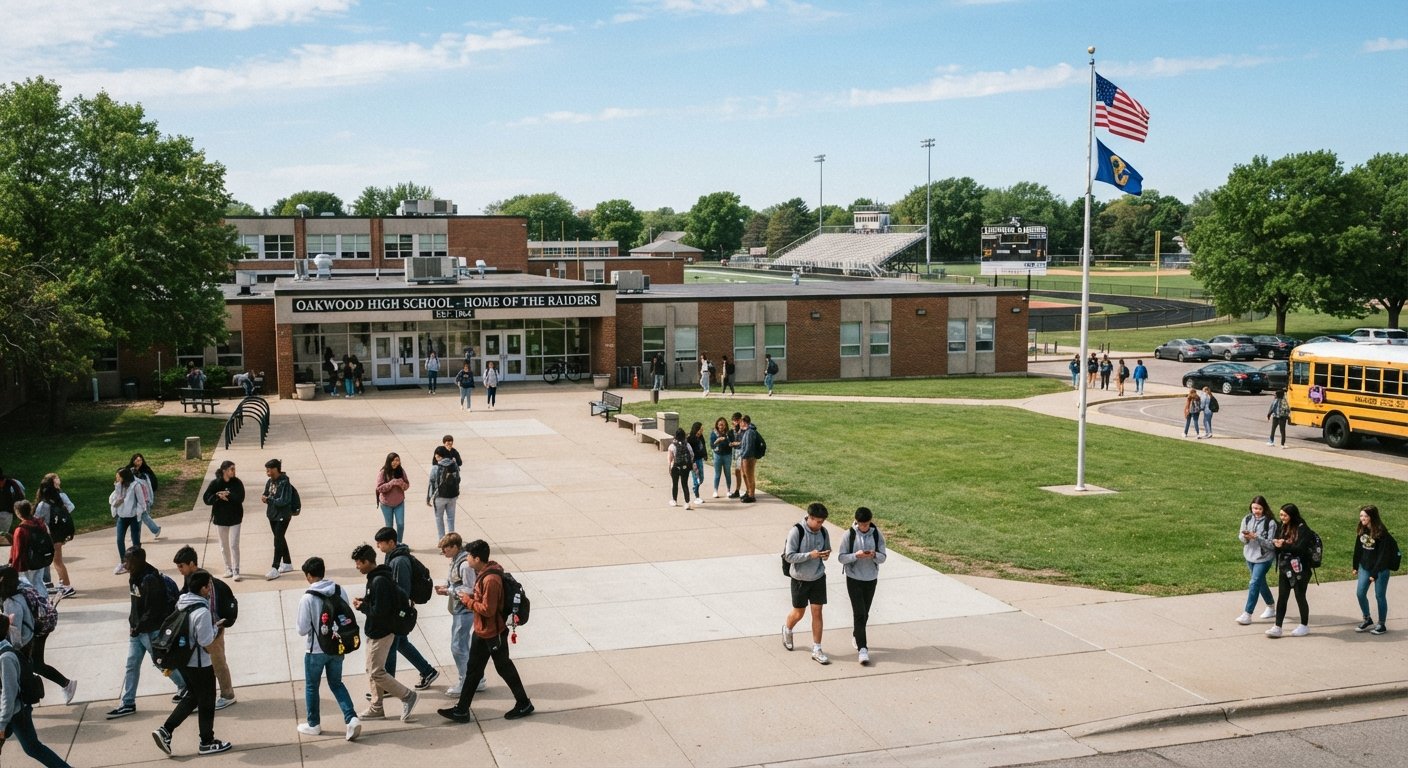
School vouchers represent a fundamentally flawed approach to education reform, functioning primarily as a mechanism that funnels public tax dollars into private institutions while exacerbating socioeconomic stratification. By diverting critical financial resources away from the public school system, voucher programs undermine the foundational promise of universal, equitable education, leaving traditional public schools underfunded and increasingly ill-equipped to serve their communities.
Continue reading “School Vouchers are not Needed”College Education as a Right
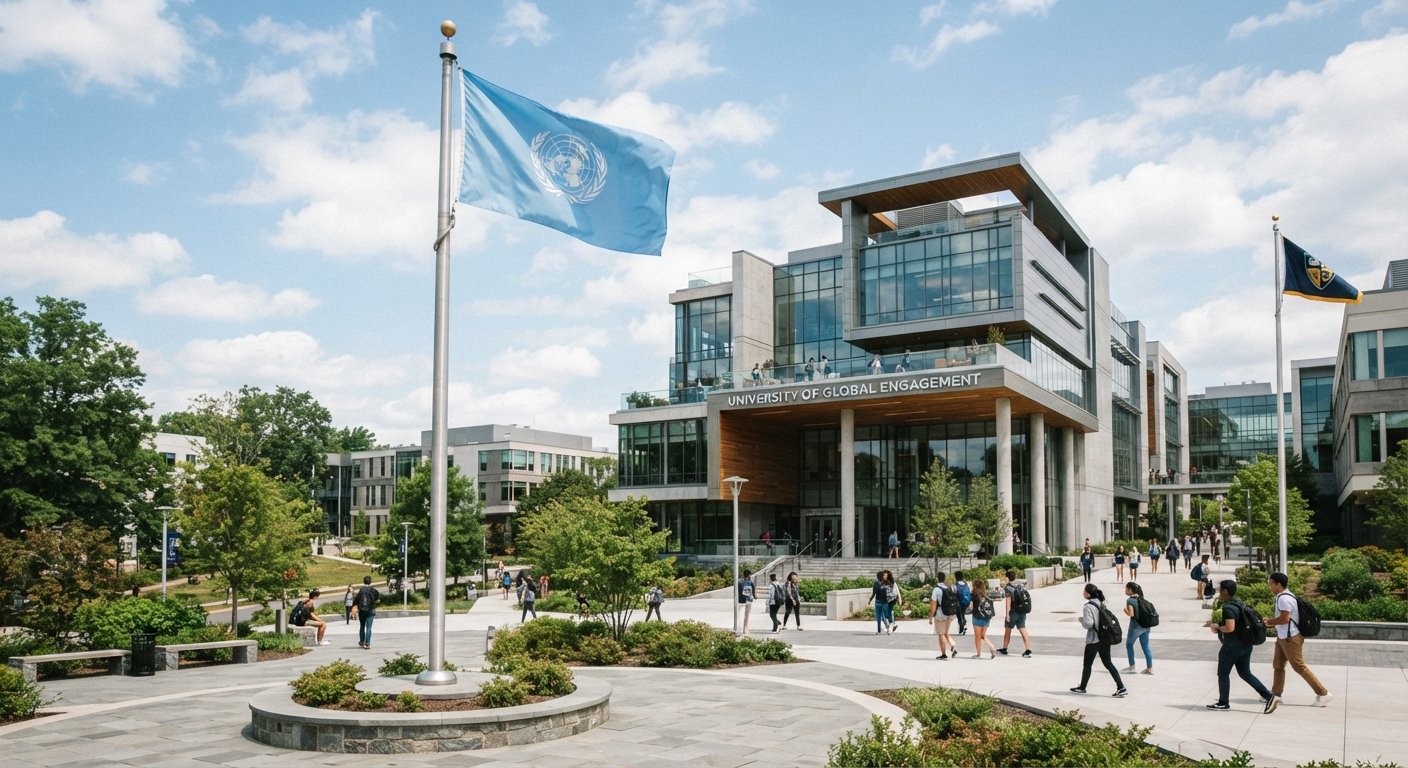
The belief that a college education should be a fundamental human right, accessible to all regardless of socioeconomic background, is gaining momentum in today’s rapidly evolving world. This perspective argues that higher education is not merely a luxury but a critical investment in both individual well-being and societal progress. Furthermore, the role of international organizations like the United Nations in this endeavor is increasingly being recognized as essential for fostering global cooperation, peace, and sustainable development.
Continue reading “College Education as a Right”Classical Music for Young People
The Symphony of the Mind: Why Classical Music Education Belongs in Our Schools
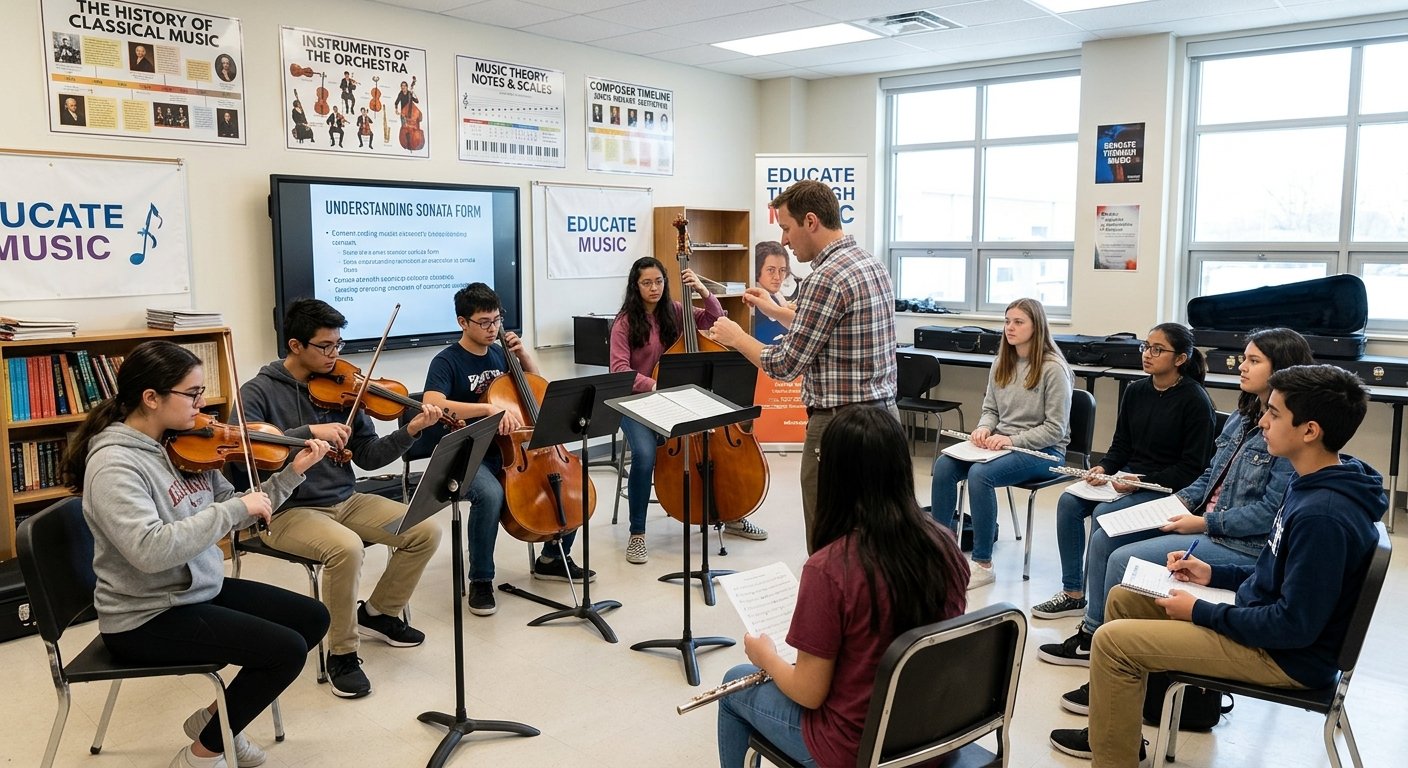
In an era defined by rapid technological shifts and hyper-accelerated media, school curricula are under constant pressure to prioritize immediate, practical utility. Subjects like coding, data analysis, and vocational training often take center stage. Yet, amidst this push for modernization, one of the most powerful tools for intellectual and personal development is frequently sidelined: classical music education. Integrating classical music into school curricula—both through active performance and structured listening—is not merely an artistic enrichment activity; it is a rigorous academic catalyst that enhances cognitive function, fosters discipline, and enriches the emotional development of young people.
Continue reading “Classical Music for Young People”