The Erosion of Reason: How Pseudoscience and Dogma Threaten Modern Knowledge

The advancement of human civilization rests upon a fragile foundation: the commitment to objective truth, empirical inquiry, and rigorous skepticism. Science and critical thinking do not happen by accident; they require discipline, peer review, and a willingness to be proven wrong. Today, however, this foundation is eroding. Pseudoscience—masked as entertainment, wellness, or ideological purity—is seeping into the mainstream. When society loses its grip on what constitutes valid knowledge, truth becomes merely a matter of preference, threatening both intellectual progress and cultural sanity.

Continue reading “The Erosion of Reason: How Pseudoscience and Dogma Threaten Modern Knowledge”

The Illusion of Age Verification: Why Complete Prohibition is the Only Solution for Vices

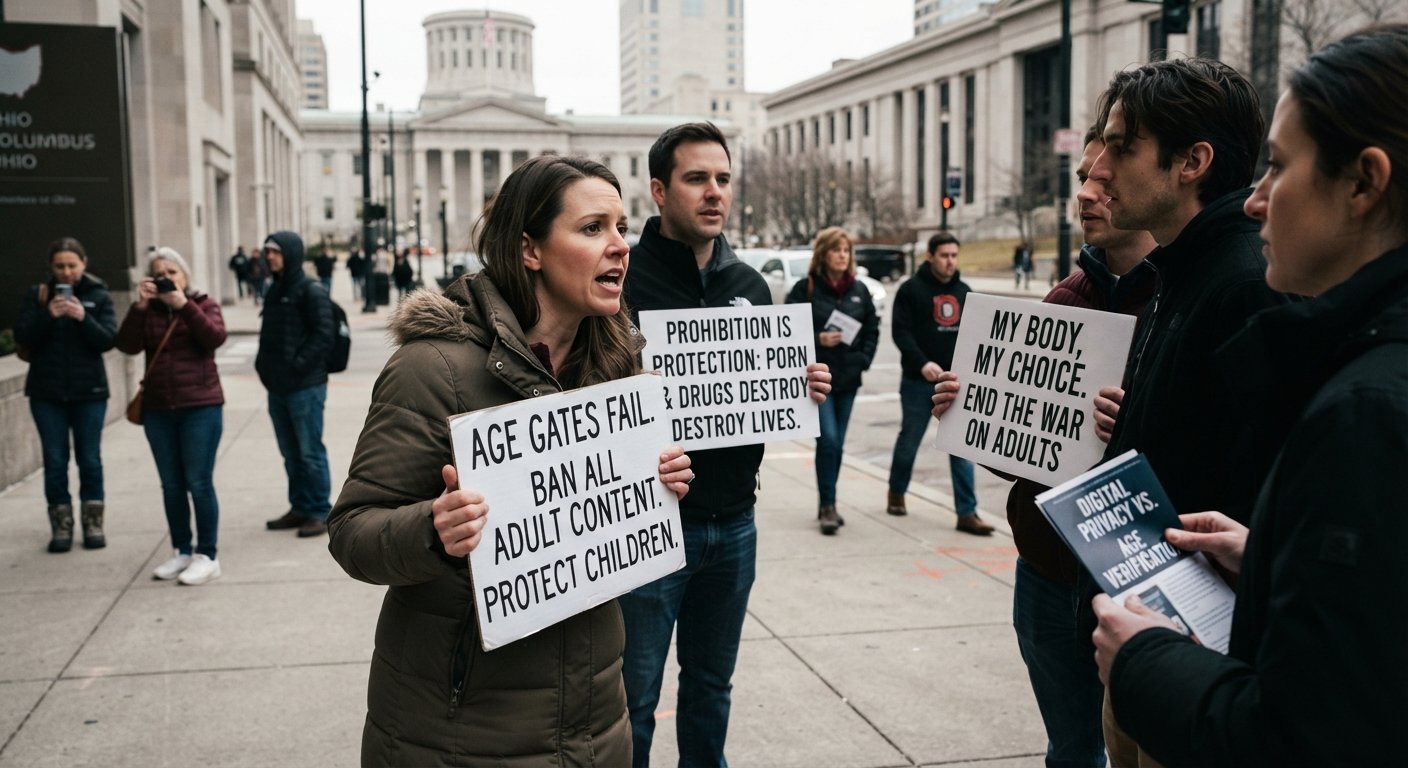
Recent legislative efforts, such as Ohio’s age verification mandates for online adult platforms, reflect a growing societal panic over minors accessing harmful digital content. The core objective of these laws—protecting children from explicit material—is hard to argue against. However, the mechanism of age verification is fundamentally flawed. Attempting to gatekeep adult vices while keeping them legal for adults creates an endless game of digital whack-a-mole. If a commodity or vice is legal for adults, minors will inevitably find a way to access it, whether through indulgent parents, older peers, or technical workarounds. To truly protect society and shield children from negative commodities, lawmakers must abandon half-measures like age verification and instead pursue the total illegalization of both pornography and harmful drugs, such as cannabis.

Continue reading “The Illusion of Age Verification: Why Complete Prohibition is the Only Solution for Vices”

The Invisible Anchor: Navigating the Negative Effects of Excessive Social Media Use on Youth

Over the past decade, smartphones and high-speed internet have fundamentally reshaped the developmental landscape for young people. Platforms like TikTok, Instagram, and Snapchat are no longer just optional entertainment; they are central infrastructure for adolescent social life. However, mounting empirical research from institutions like the Pew Research Center and public health warnings from the U.S. Surgeon General highlight a troubling reality: excessive social media consumption is taking a severe toll on the mental health, sleep, and overall well-being of the younger generation.

Continue reading “The Invisible Anchor: Navigating the Negative Effects of Excessive Social Media Use on Youth”

Importance of Education for a Better Planet

Education as the Cornerstone of a Progressive and Peaceful World

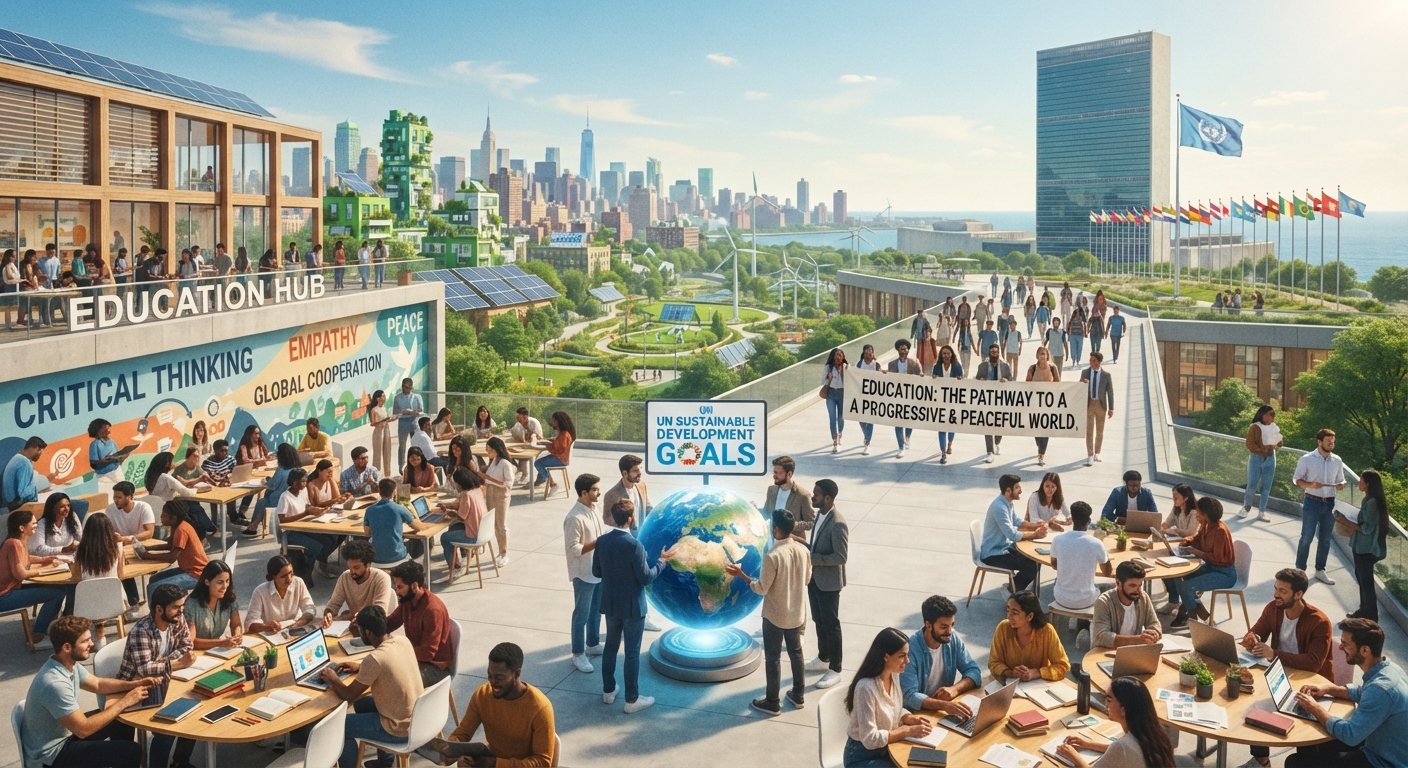
Education has long been recognized as a fundamental human right and a powerful engine for individual mobility. However, its broader societal impact stretches far beyond personal career advancement. Education serves as the indispensable bedrock for building a more progressive, equitable, and peaceful global society. By cultivating critical thinking, fostering empathy, and expanding human horizons, structured learning equips individuals to overcome divisions and champion cooperative international frameworks.

Continue reading “Importance of Education for a Better Planet”

Information Demands a Global Horizon

The recent legal battle culminating in a federal judge’s order to restore White House press access to CNN, MS NOW, and Politico highlights a recurring, high-stakes friction point in modern democracy: the volatile relationship between national political administrations and the domestic press corps. While the court’s intervention ultimately reaffirmed foundational protections against viewpoint discrimination and unconstitutional exclusions, the episode underscores a deeper vulnerability. It demonstrates how easily domestic news infrastructure can become entangled in partisan crossfire, legal maneuvering, and institutional blockades. As national media outlets fight routine battles just to secure a seat in the room, citizens are left to question whether traditional domestic reporting can sustainably serve as an objective window into broader societal realities. In the times to come, national news may increasingly struggle to provide the comprehensive perspective required to understand an interconnected world, suggesting that audiences must look outward—and toward platforms like UN News—for a more stable foundation of information.

Continue reading “Information Demands a Global Horizon”