
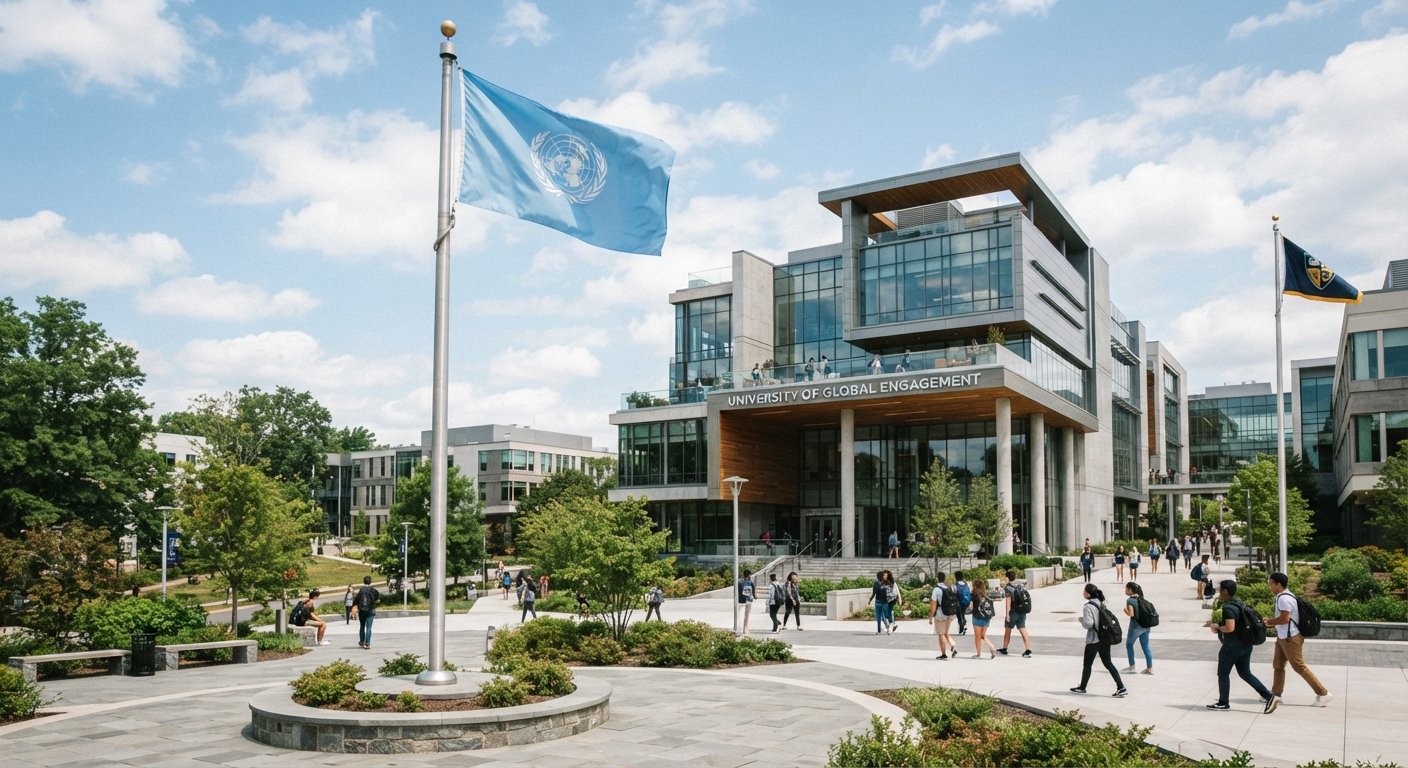
The belief that a college education should be a fundamental human right, accessible to all regardless of socioeconomic background, is gaining momentum in today’s rapidly evolving world. This perspective argues that higher education is not merely a luxury but a critical investment in both individual well-being and societal progress. Furthermore, the role of international organizations like the United Nations in this endeavor is increasingly being recognized as essential for fostering global cooperation, peace, and sustainable development.
At the core of the argument for college education as a right is the idea that it empowers individuals to reach their full potential. In a knowledge-based economy, a college degree is often a prerequisite for securing well-paying jobs, achieving financial stability, and enjoying a higher quality of life. Denying access to higher education based on an individual’s economic status perpetuates inequality and limits opportunities for social mobility. By making college education a right, we can create a more just and equitable society where everyone has the chance to succeed and contribute to their communities.
Public funding for higher education is crucial for ensuring that this right is realized. When college education is publicly funded, it becomes accessible to all qualified students, regardless of their family’s income. This not only promotes equality of opportunity but also fosters a more educated and skilled workforce, which is essential for economic growth and innovation. Moreover, publicly funded higher education can help to reduce the burden of student debt, which can be a significant barrier to economic well-being and social mobility.
The involvement of the United Nations in sponsoring university education and establishing its own universities offers a powerful vision for the future. The UN, with its mandate to promote international cooperation and development, is well-positioned to play a leading role in expanding access to higher education worldwide. By sponsoring universities in developing countries and offering online courses accessible to students in even the most remote areas, the UN can help to bridge the educational gap between nations and empower individuals to participate in the global economy.
The establishment of UN universities could offer a unique and valuable educational experience. These universities could focus on areas of global importance, such as peacebuilding, sustainable development, and human rights. They could also foster a sense of global citizenship among students, encouraging them to work together to address the challenges facing humanity. Furthermore, UN universities could serve as hubs of research and innovation, contributing to the development of new solutions to global problems.
The goal of having most people in the world graduate from a UN college may seem ambitious, but it is achievable. By investing in higher education and partnering with the UN, we can create a future where everyone has the opportunity to receive a quality education, regardless of where they live or their socioeconomic background. This would not only benefit individuals but also contribute to a more peaceful, prosperous, and sustainable world for all.
In conclusion, the belief that college education is a right and should be publicly funded is a powerful and compelling vision for the future. By investing in higher education and involving international organizations like the United Nations, we can create a more just, equitable, and prosperous world where everyone has the opportunity to reach their full potential. This is an investment in our collective future, and it is one that we must be willing to make.