The Erosion of Reason: How Pseudoscience and Dogma Threaten Modern Knowledge

The advancement of human civilization rests upon a fragile foundation: the commitment to objective truth, empirical inquiry, and rigorous skepticism. Science and critical thinking do not happen by accident; they require discipline, peer review, and a willingness to be proven wrong. Today, however, this foundation is eroding. Pseudoscience—masked as entertainment, wellness, or ideological purity—is seeping into the mainstream. When society loses its grip on what constitutes valid knowledge, truth becomes merely a matter of preference, threatening both intellectual progress and cultural sanity.

Continue reading “The Erosion of Reason: How Pseudoscience and Dogma Threaten Modern Knowledge”

Beyond the Mud: Why Modern Campaign Ads Need to Refocus on the Issues

Elections are supposed to be a marketplace of ideas—a structured debate where voters weigh competing visions for the economy, healthcare, education, and infrastructure. Yet, modern political advertising has increasingly devolved into a theater of personal destruction. Rather than engaging voters with policy proposals, campaigns frequently lean on character assassinations, irrelevant personal attacks, and manufactured outrage.

Continue reading “Beyond the Mud: Why Modern Campaign Ads Need to Refocus on the Issues”

The Invisible Anchor: Navigating the Negative Effects of Excessive Social Media Use on Youth

Over the past decade, smartphones and high-speed internet have fundamentally reshaped the developmental landscape for young people. Platforms like TikTok, Instagram, and Snapchat are no longer just optional entertainment; they are central infrastructure for adolescent social life. However, mounting empirical research from institutions like the Pew Research Center and public health warnings from the U.S. Surgeon General highlight a troubling reality: excessive social media consumption is taking a severe toll on the mental health, sleep, and overall well-being of the younger generation.

Continue reading “The Invisible Anchor: Navigating the Negative Effects of Excessive Social Media Use on Youth”

News Information Should be Free to All

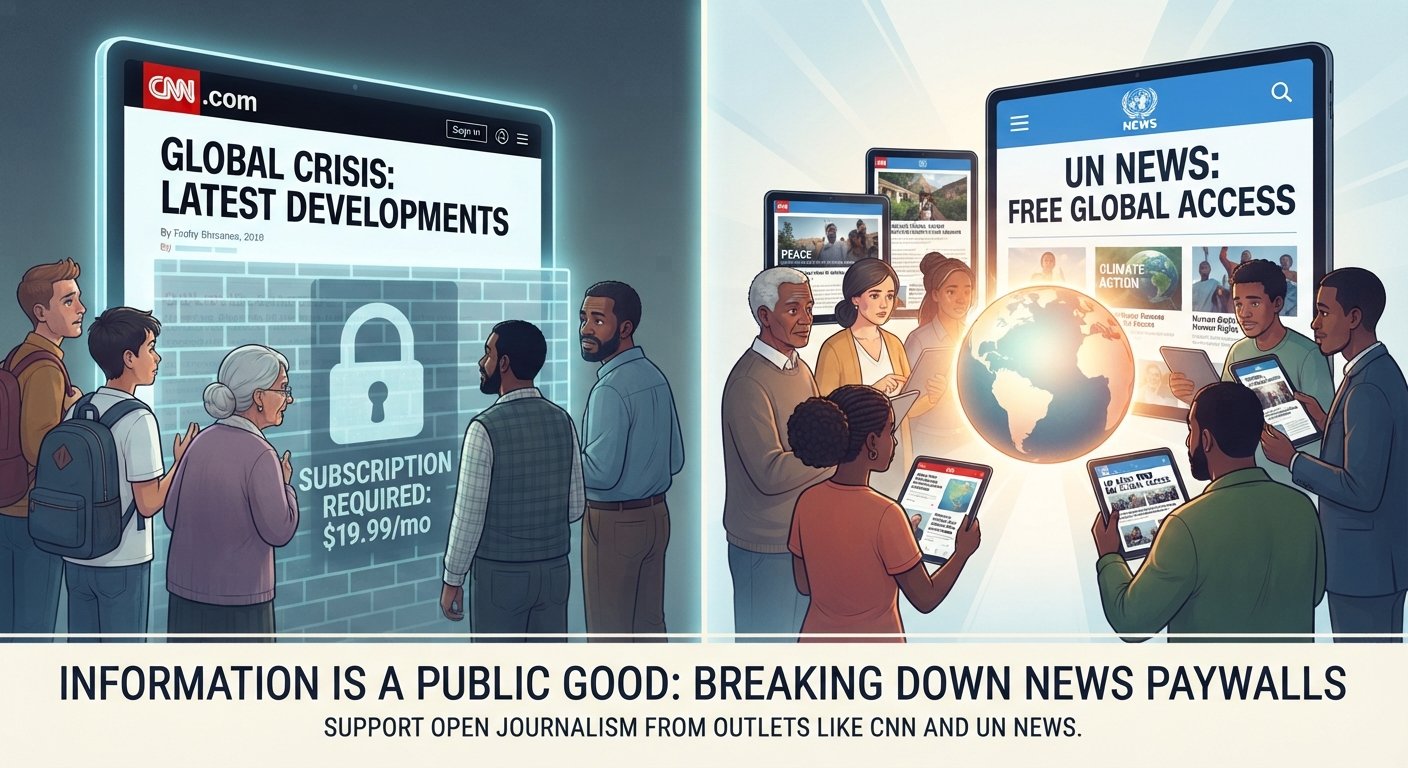
Breaking the Paywall: Why Accessible Journalism is Essential for an Informed Public

In a healthy democratic society, access to accurate and timely information should be a fundamental right, not a luxury commodity. For decades, major news organizations operated under a model funded primarily by advertising, allowing people from all socioeconomic backgrounds to stay informed about global events. However, the modern digital media landscape has shifted dramatically. Major outlets, including prominent networks like CNN, have increasingly turned to subscription models and digital paywalls. While financial sustainability is a valid concern for media companies, placing journalism behind a paywall is fundamentally unfair to low-income populations and creates an information divide that harms society as a whole.

Continue reading “News Information Should be Free to All”

Technology and the Common Good

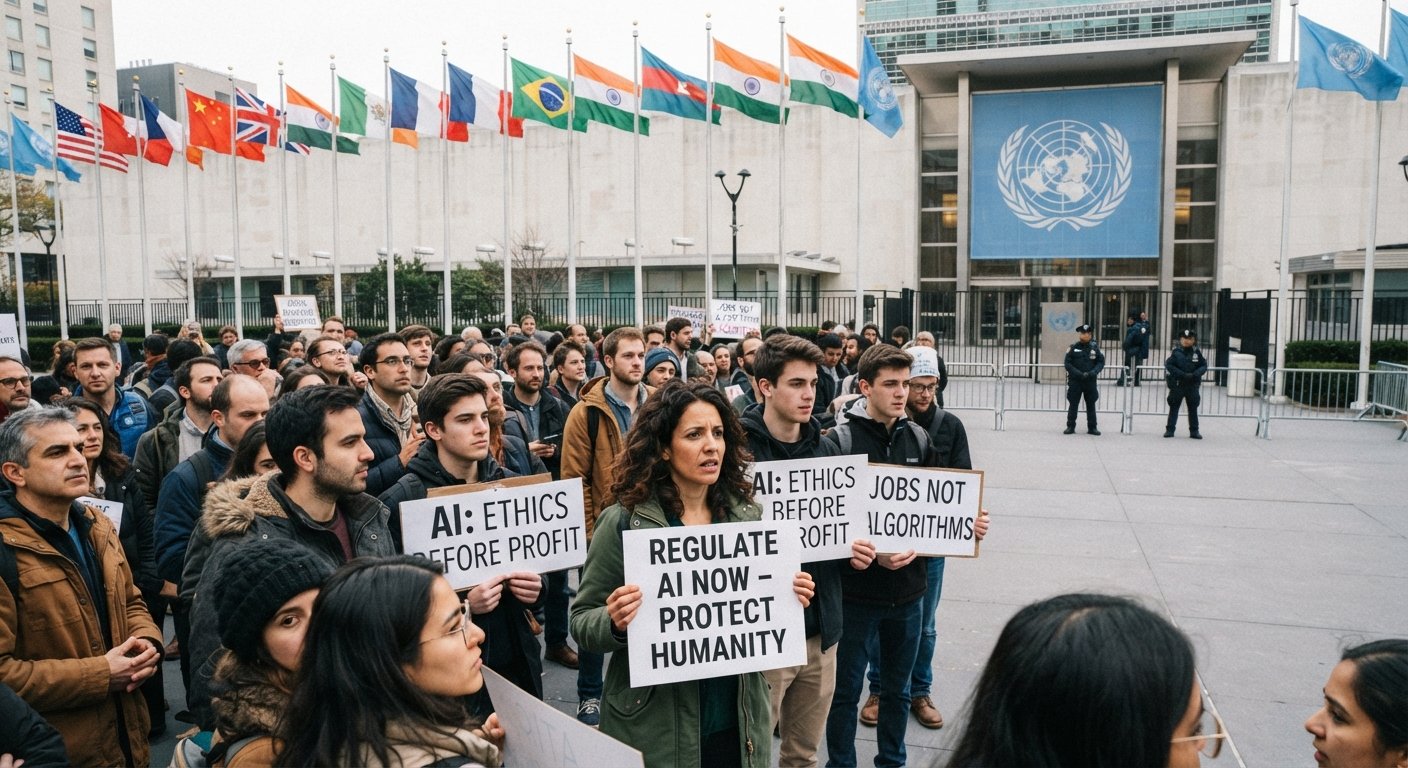
Taming the Tool: Why AI Demands Global Regulation and a Focus on Labor, Not Sci-Fi

The public discourse surrounding artificial intelligence is frequently pulled in two opposing, unhelpful directions. On one side, tech evangelists promote an uncritical utopianism, promising a frictionless future of boundless productivity. On the other, popular media and speculative commentary lean heavily into science-fiction tropes, fixating on existential threats, sentient algorithms, and dystopian scenarios of AI “taking over” the world. Both narratives obscure the reality of the technology. Artificial intelligence is neither a conscious overlord nor a magical panacea; it is a powerful, highly scalable general-purpose technology. Like the steam engine, the assembly line, or the internet before it, its societal impact will be determined entirely by how it is governed, owned, and deployed. To ensure that the dividends of this technology serve society broadly rather than concentrating wealth in a few hands, AI must be systematically regulated for the common good, with the United Nations playing a central coordinating role.

Continue reading “Technology and the Common Good”