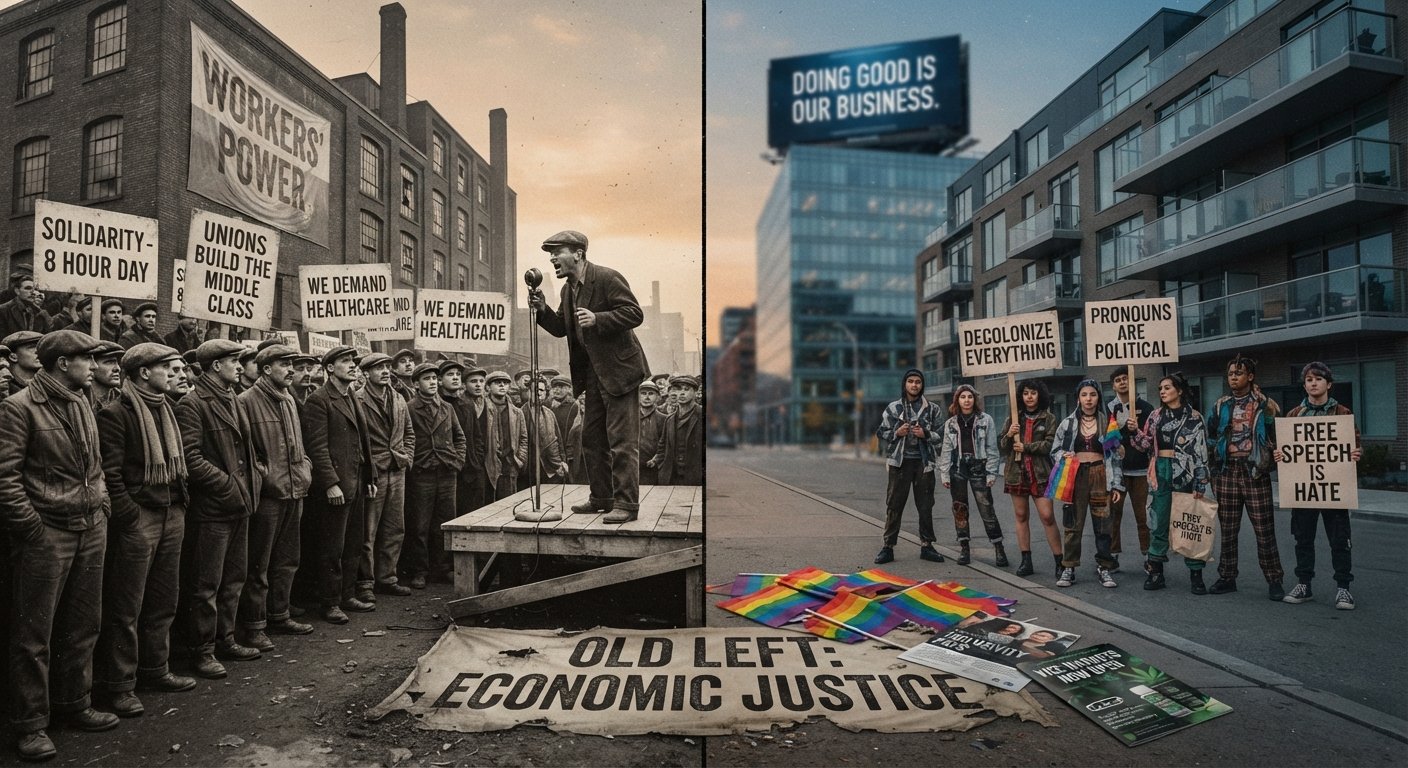
The political evolution of the Western left over the past century represents a fundamental shift in focus—from material economic security to cultural individualism. While the “Old Left” of the mid-20th century prioritized labor, wages, and social welfare, the “New Left” that emerged post-1960 pivoted toward cultural identity, permissive lifestyles, and symbolic politics. For the lower and working classes, this transition has been a disaster, trading tangible material gains for symbolic gestures that ultimately strengthen corporate power and hand political victories to the right.
Continue reading “We Must Return to the Wisdom of the “Old Left””Global Demand-Side Economics Is the Imperative Response to the Supply-Chain Crisis
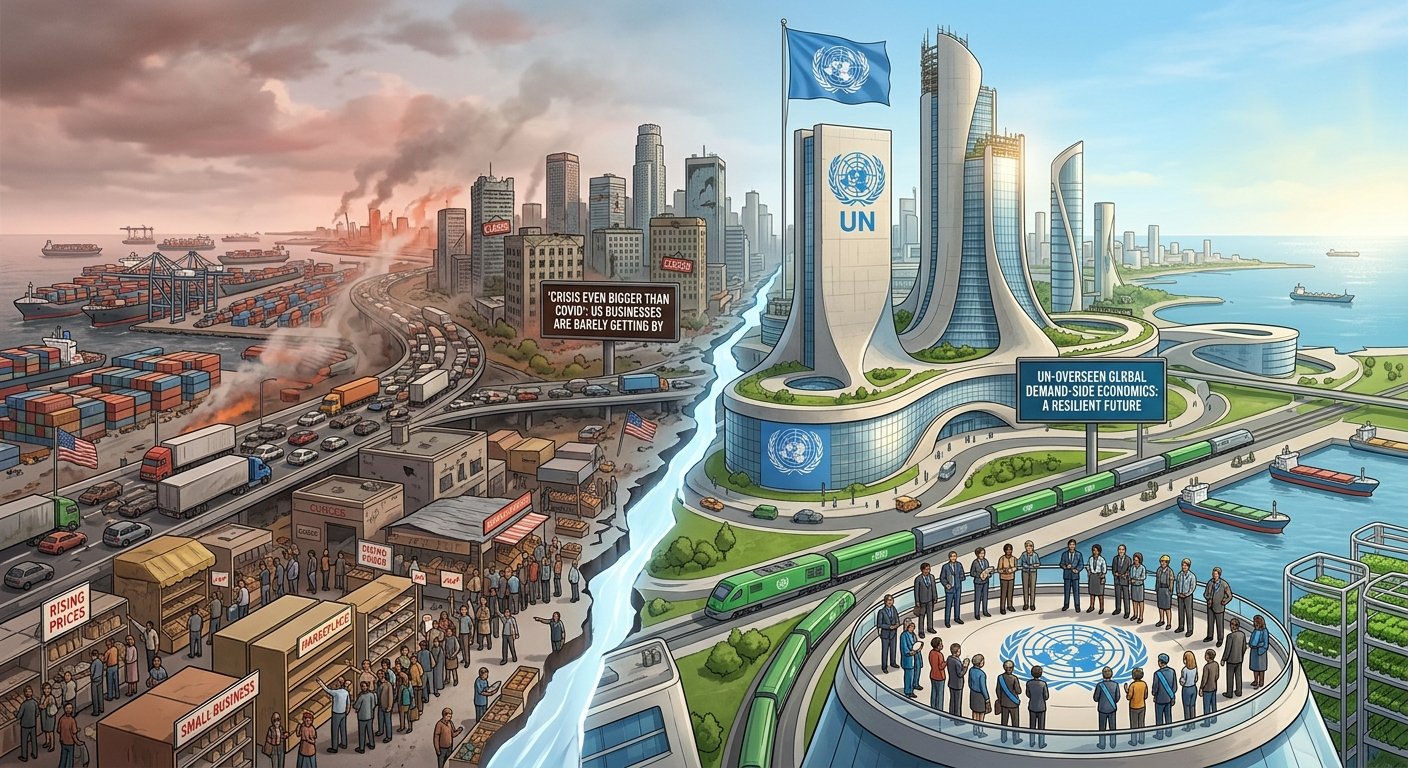
In the article titled “‘Crisis even bigger than Covid’: US businesses are barely getting by,” CNN paints a grim picture of the contemporary economic landscape.Business leaders, logistical experts, and supply-chain strategists highlight a unsettling reality: the compounding disruptions of systemic energy crises, climate-induced natural disasters, severe shipping bottlenecks, and persistent geopolitical conflict have created an environment far more volatile than the targeted, transitory shock of the 2020 pandemic.During COVID-19, global supply chains effectively froze, but once health measures eased, commerce resumed predictable patterns.Today’s crisis, by contrast, is characterized by persistent friction, uncontrollable cost surges, and erratic supply patterns that leave domestic enterprises incapable of long-term planning.
Continue reading “Global Demand-Side Economics Is the Imperative Response to the Supply-Chain Crisis”Universal Labor Union Membership
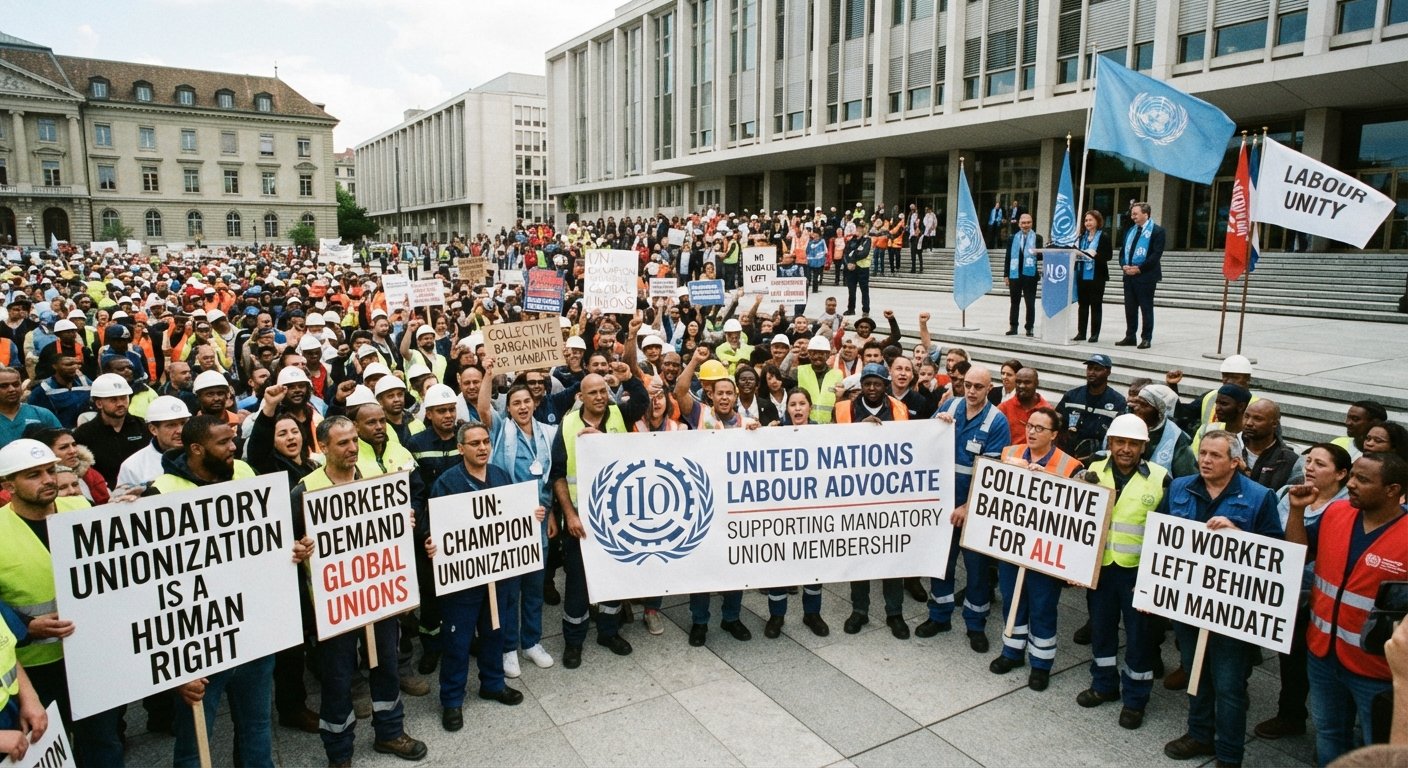
The Imperative of Universal Labor Union Membership: A Case for Mandated Organization and United Nations Advocacy
In an era defined by staggering economic inequality, corporate consolidation, and the erosion of the middle class, the traditional structures safeguarding worker welfare have proven deeply inadequate. While globalization and technological revolutions have generated unprecedented wealth, the fruits of this progress remain concentrated at the top, leaving the average worker vulnerable to wage stagnation and precarious conditions. To rectify this structural imbalance, labor union membership must no longer be viewed as a mere workplace option or an adversarial niche; it must be established as a mandatory standard for all workers globally, actively championed and enforced by the United Nations.
Continue reading “Universal Labor Union Membership”Global International Socialism
The modern global architecture faces compounding crises that transcend national borders—from widening economic inequality and ecological degradation to financial volatility and the displacement of labor. Traditional Westphalian sovereignty, built upon the competition of isolated nation-states, proves increasingly incapable of managing a globally integrated economy dominated by transnational capital. Addressing these systemic failures requires a structural evolution toward international socialism, manifested through a globally regulated mixed economy coordinated by an empowered United Nations.
Continue reading “Global International Socialism”International Authority to Regulate the Private Sector
Standing Tiny Before the Global Common Good: The Imperative for a Strong United Nations Regulatory Commission
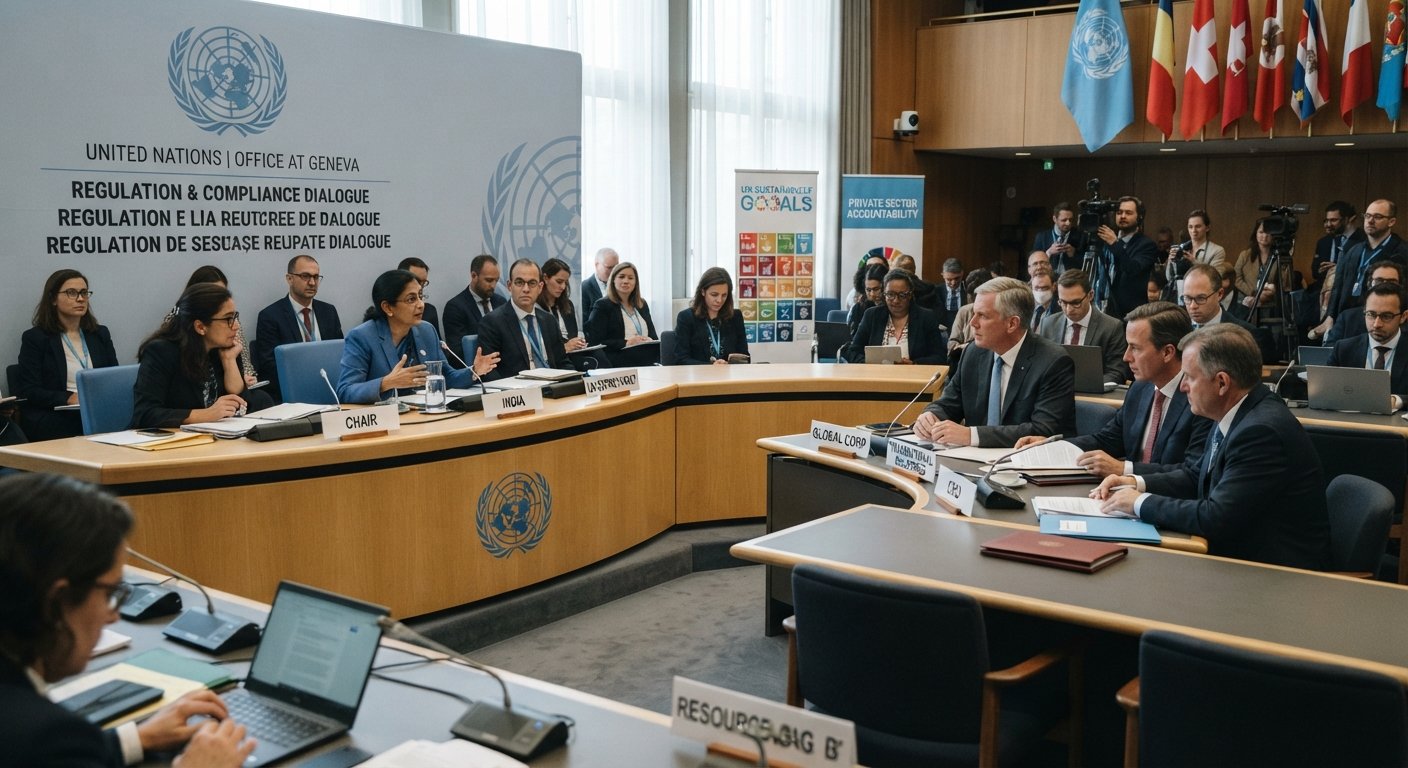
Capitalism, in its purest and most unbridled form, is driven by a singular, relentless imperative: the accumulation of capital. While this engine of private enterprise has generated unprecedented technological innovation and material wealth over the past few centuries, leaving it entirely unchecked and unregulated produces systemic crises that threaten the very fabric of human society and the natural world. In an era of globalization, where corporate entities transcend national borders with ease, the traditional nation-state often finds itself outmatched, captured, or coerced by transnational capital. To protect humanity from the perils of corporate hegemony, environmental collapse, and extreme inequality, we must envision a paradigm shift: a strengthened United Nations endowed with the authority to regulate international corporations for the collective good, redistribute wealth and income, and act as an ecological guardian. Within this new order, corporate giants—no matter how vast their market capitalization or global reach—must stand tiny and small before the regulatory commissions of the United Nations.
Continue reading “International Authority to Regulate the Private Sector”