
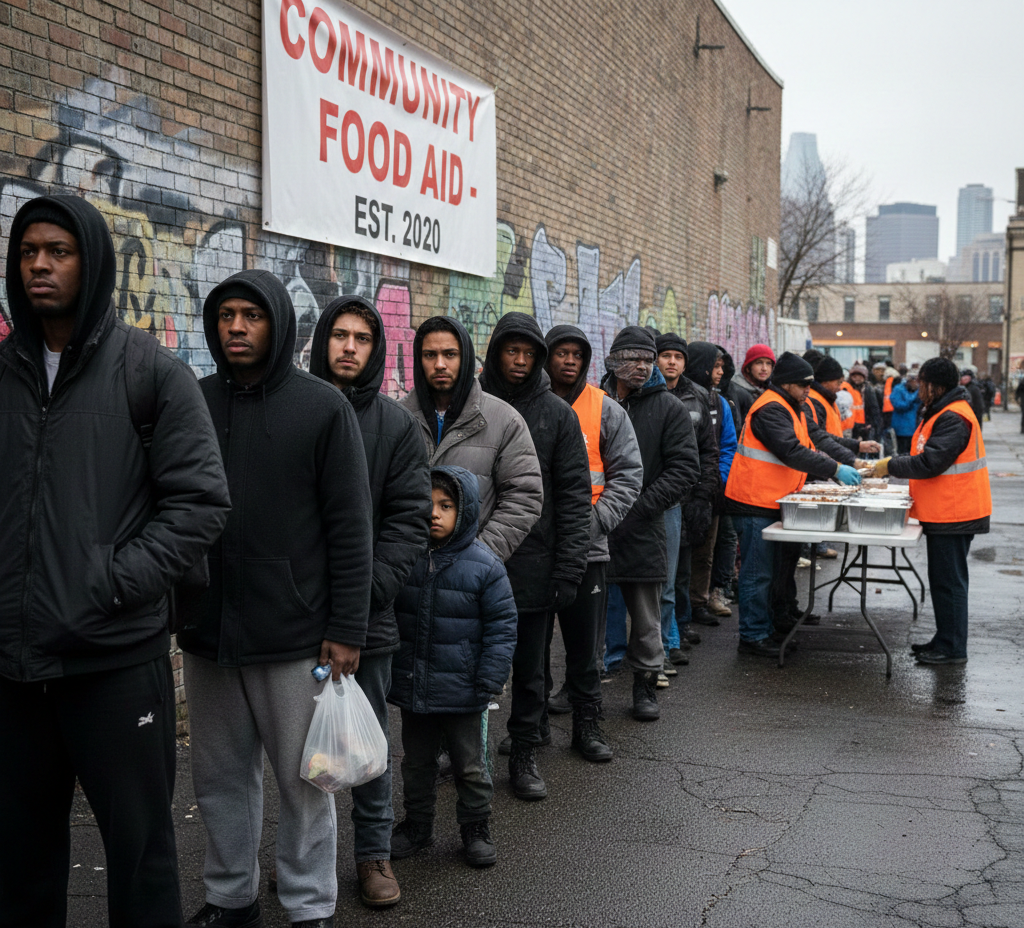
Food banks occupy a vital and enduring space in modern society, serving as an essential institutional buffer against poverty that persists regardless of broader economic conditions. Even during periods of robust national prosperity, robust economic growth, and low unemployment, the structural vulnerabilities of market economies ensure that a significant segment of the population remains unable to secure consistent, adequate nutrition through conventional means.
At the core of this ongoing necessity is the reality that macroeconomic prosperity does not distribute its gains equally. Aggregate indicators such as high gross domestic product or low unemployment rates obscure deep regional disparities, systemic wage stagnation at the lower end of the labor market, and the precarious financial footing of households living paycheck to paycheck. When an economy thrives, the cost of living—particularly housing, utilities, and transportation—frequently rises, disproportionately squeezing low-wage workers and fixed-income populations. For individuals earning minimum wage or relying on disability and social security benefits, a booming economy can paradoxically increase financial strain, leaving zero margin for error when unexpected expenses like medical bills arise. Consequently, even when national wealth reaches record highs, the baseline cost of survival can price vulnerable households out of the food market.
Furthermore, food insecurity is deeply intertwined with systemic issues that economic growth alone cannot resolve. Factors such as chronic health conditions, physical and mental disabilities, systemic barriers to employment, and the high cost of childcare create recurring traps of poverty. A robust job market does little for an individual physically unable to work or lacking access to stable housing and transportation. Food banks act as a crucial safety net for these populations, bridging the gap left by fragmented or inadequate government assistance programs.
Ultimately, food banks are required because poverty is a structural feature of complex economic systems rather than a temporary anomaly. They represent a collective moral and logistical response to a persistent humanitarian need. Until systemic reforms thoroughly address income inequality, affordable housing, and social safety nets, food banks will remain an indispensable fixture of our communities, standing as a testament to the fact that sustenance should not be dictated solely by market fortune.