The Illusion of Age Verification: Why Complete Prohibition is the Only Solution for Vices
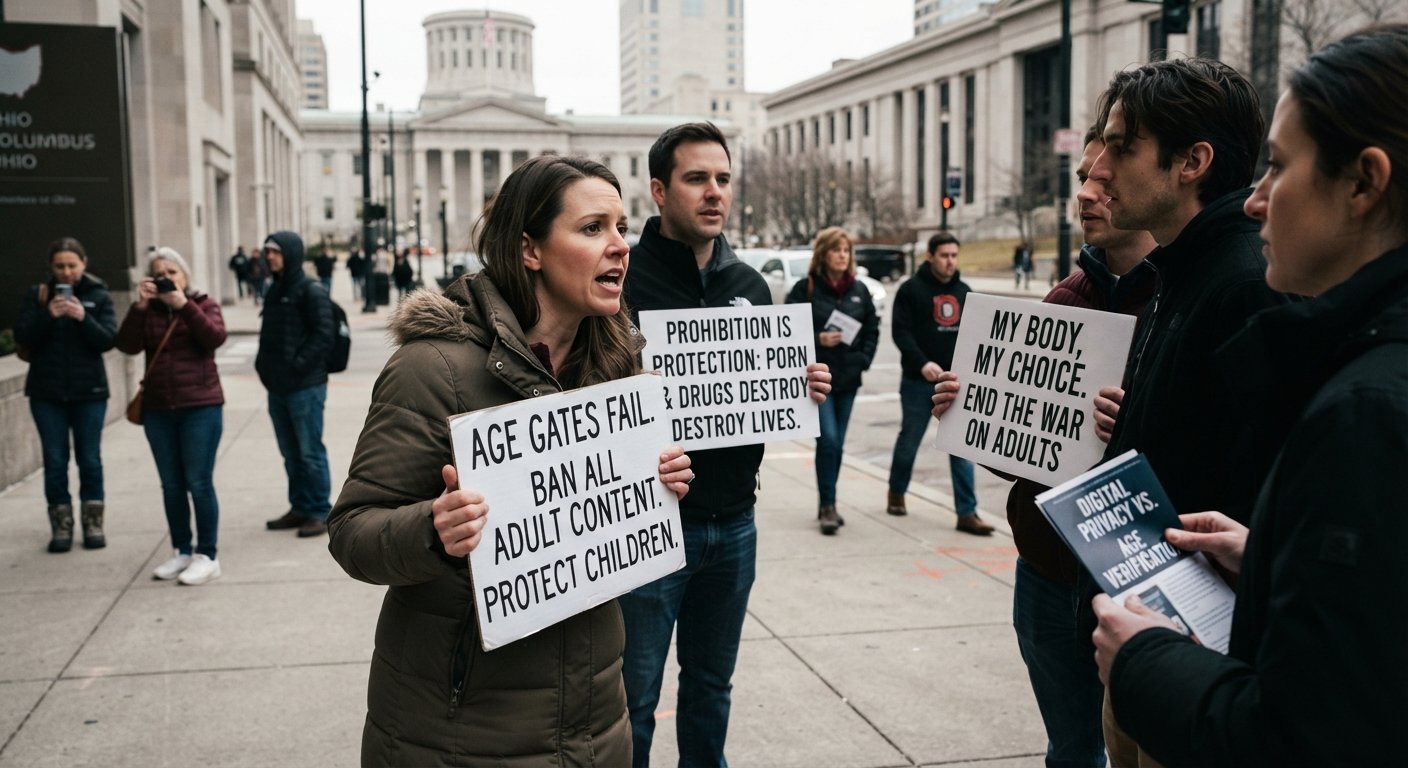
Recent legislative efforts, such as Ohio’s age verification mandates for online adult platforms, reflect a growing societal panic over minors accessing harmful digital content. The core objective of these laws—protecting children from explicit material—is hard to argue against. However, the mechanism of age verification is fundamentally flawed. Attempting to gatekeep adult vices while keeping them legal for adults creates an endless game of digital whack-a-mole. If a commodity or vice is legal for adults, minors will inevitably find a way to access it, whether through indulgent parents, older peers, or technical workarounds. To truly protect society and shield children from negative commodities, lawmakers must abandon half-measures like age verification and instead pursue the total illegalization of both pornography and harmful drugs, such as cannabis.

Continue reading “The Illusion of Age Verification: Why Complete Prohibition is the Only Solution for Vices”

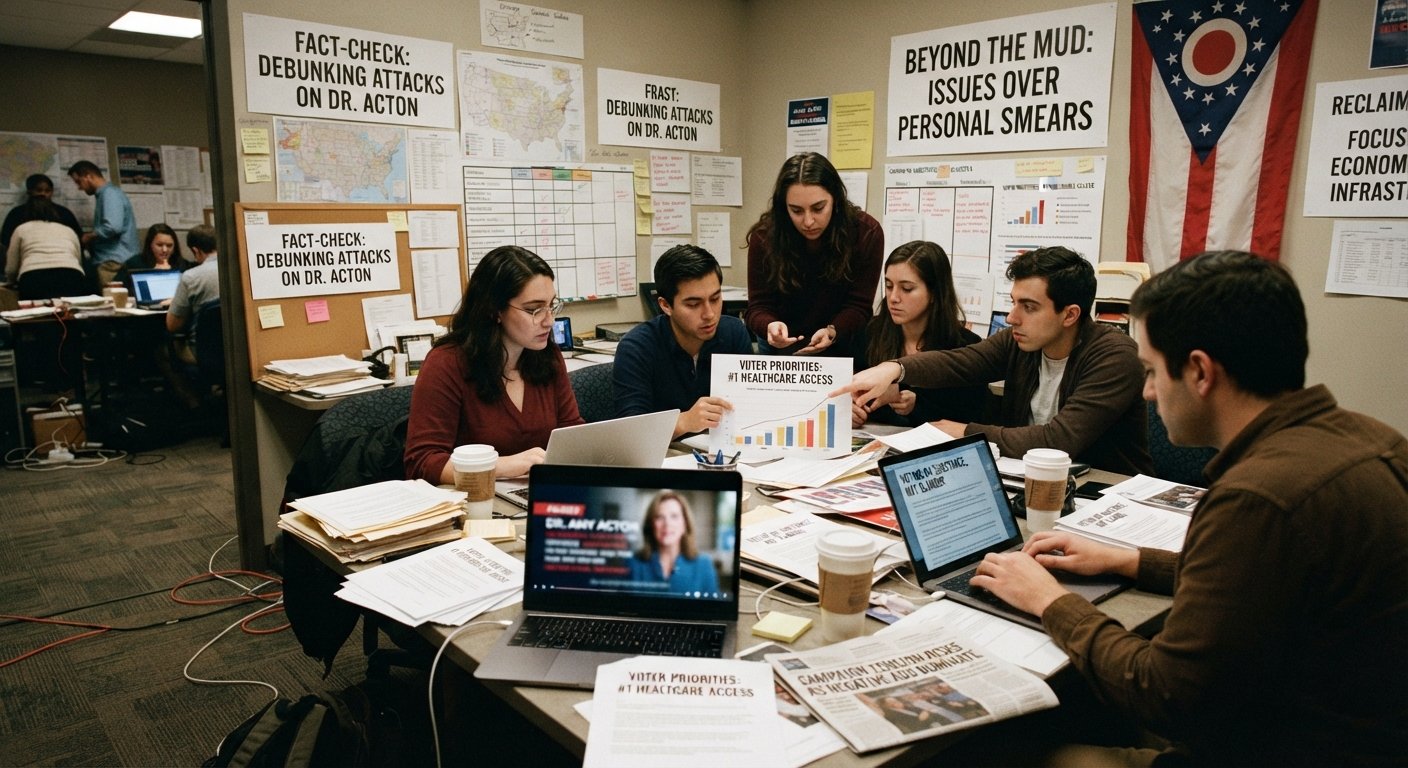
Beyond the Mud: Why Modern Campaign Ads Need to Refocus on the Issues

Elections are supposed to be a marketplace of ideas—a structured debate where voters weigh competing visions for the economy, healthcare, education, and infrastructure. Yet, modern political advertising has increasingly devolved into a theater of personal destruction. Rather than engaging voters with policy proposals, campaigns frequently lean on character assassinations, irrelevant personal attacks, and manufactured outrage.

Continue reading “Beyond the Mud: Why Modern Campaign Ads Need to Refocus on the Issues”

The Invisible Anchor: Navigating the Negative Effects of Excessive Social Media Use on Youth

Over the past decade, smartphones and high-speed internet have fundamentally reshaped the developmental landscape for young people. Platforms like TikTok, Instagram, and Snapchat are no longer just optional entertainment; they are central infrastructure for adolescent social life. However, mounting empirical research from institutions like the Pew Research Center and public health warnings from the U.S. Surgeon General highlight a troubling reality: excessive social media consumption is taking a severe toll on the mental health, sleep, and overall well-being of the younger generation.

Continue reading “The Invisible Anchor: Navigating the Negative Effects of Excessive Social Media Use on Youth”

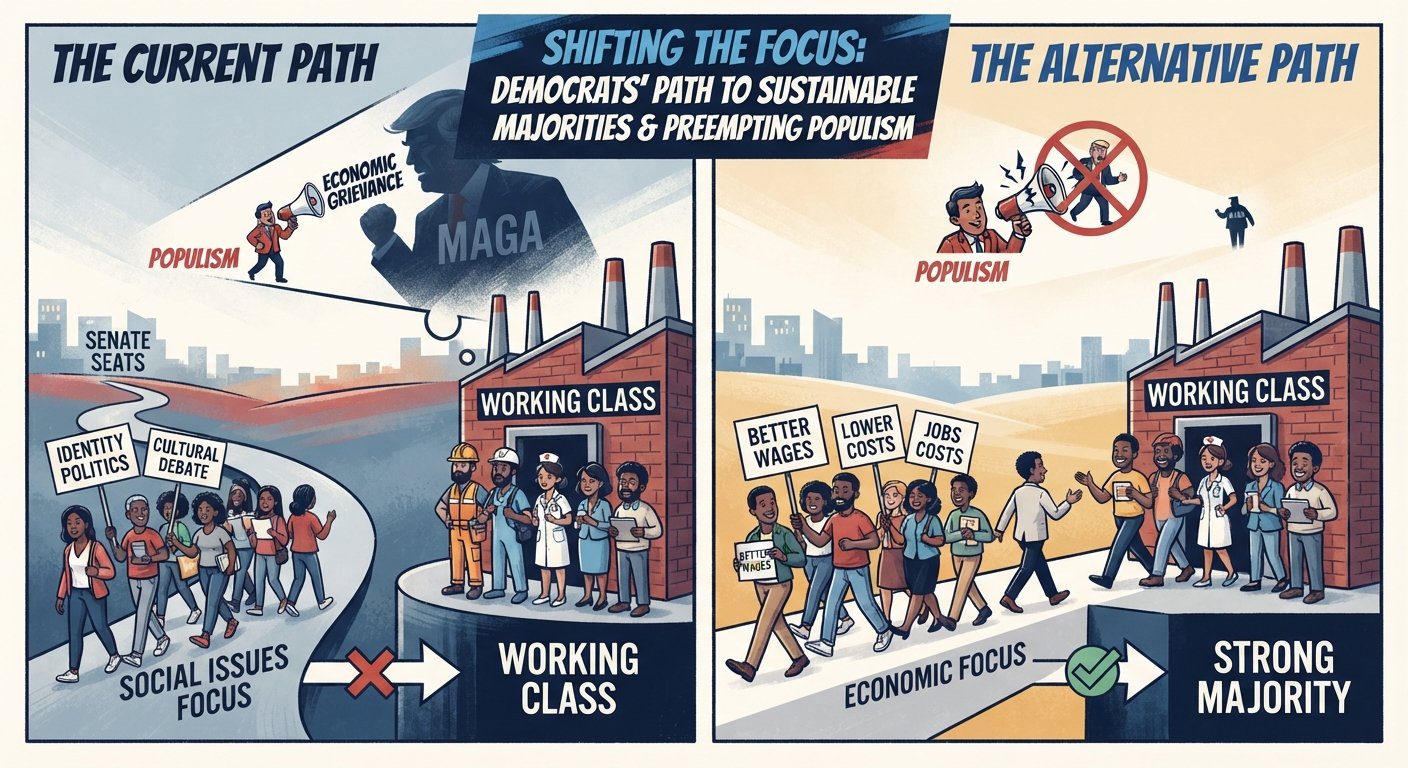
Economics Must be the Focus of Democratic Politics

The changing political landscape, highlighted by analyses such as the CNN report on how “Strong candidates and weak GOP rivals reshape the Senate map”, demonstrates that Democrats have crucial opportunities to secure more seats in Congress. Broadening legislative representation is undeniably positive for progressive policy goals, offering a stronger foothold to protect healthcare, labor rights, and environmental protections. However, electoral expansion alone does not address the underlying cultural and economic disconnects that plague modern American politics. To build a lasting, durable majority and preempt the rise of populist movements, the Democratic Party must pivot decisively away from hyper-fixations on niche cultural grievances and refocus its core mission on working-class economics.

Continue reading “Economics Must be the Focus of Democratic Politics”

Social Order is the Result of Justice and Correct Global Economic Policies

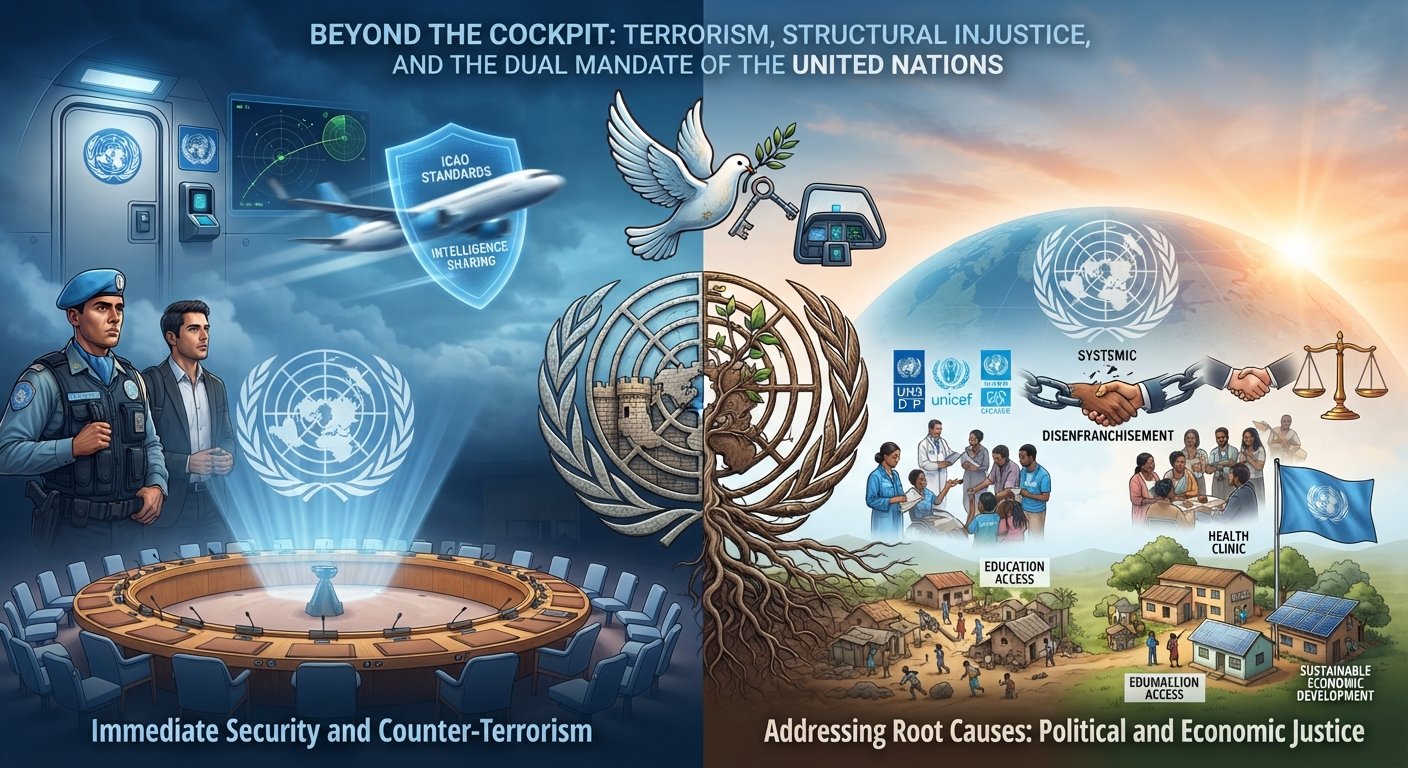
Beyond the Cockpit: Terrorism, Structural Injustice, and the Dual Mandate of the United Nations

The terrifying ordeal aboard Flydubai Flight 1073—in which a routine commercial journey from Dubai to Tel Aviv transformed into a desperate struggle against an attempted cockpit takeover and targeted crash—serves as a stark reminder of the persistent vulnerability of global civil aviation. As national leaders categorized the incident as a deliberate act of terror averted only by extraordinary passenger intervention, the international community was once again forced to confront the mechanics of modern violence.

Continue reading “Social Order is the Result of Justice and Correct Global Economic Policies”