
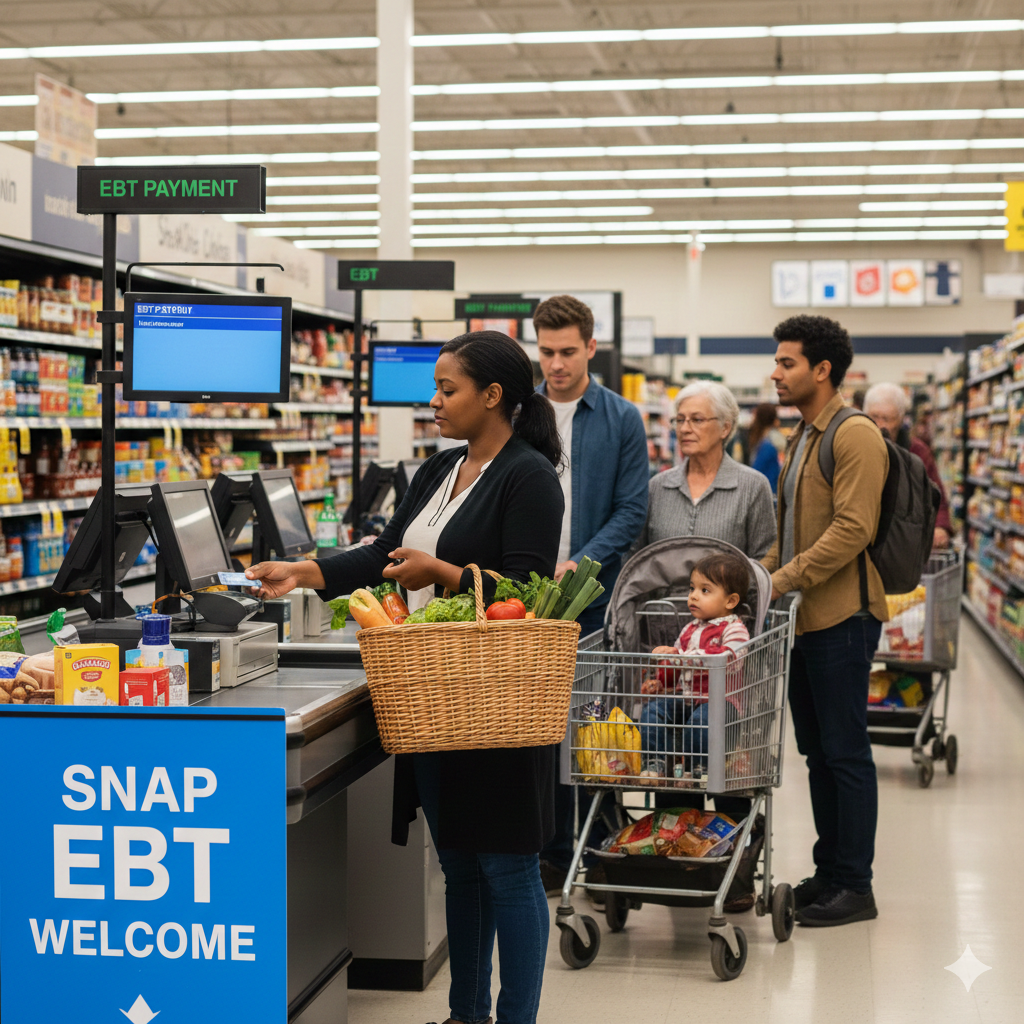
The Supplemental Nutrition Assistance Program (SNAP) stands as one of the most vital social safety nets in the United States, providing essential food support to millions of low-income individuals, families, children, and seniors.Far beyond a simple assistance measure, SNAP is a structural pillar that combats hunger, protects public health, stabilizes local economies, and preserves human dignity. As a cornerstone of public policy, SNAP is indispensable and must be permanently safeguarded against funding rollbacks.
At its core, SNAP directly alleviates food insecurity. Millions of Americans—including households with working parents, individuals with disabilities, and older adults—face systemic hurdles where basic living costs outpace earnings. By supplementing grocery budgets via Electronic Benefits Transfer (EBT) cards, SNAP ensures that families do not have to choose between keeping the lights on and putting meals on the table.Research consistently demonstrates that participation in SNAP significantly reduces the prevalence of food insecurity, shielding children from hunger and the lifelong developmental and cognitive setbacks associated with malnutrition.
Furthermore, SNAP yields profound preventative health benefits that ripple across society. Food insecurity is tightly coupled with chronic health complications, poor nutritional intake, and elevated healthcare expenditures.By granting vulnerable populations steady access to nutritious foods—such as fresh produce, proteins, and whole grains—the program mitigates diet-related illnesses, subsequently lowering public health burdens and decreasing Medicaid and healthcare costs.
Beyond its humanitarian and health outcomes, SNAP functions as an immediate economic stimulus.Because benefits are spent quickly at local grocery stores, convenience stores, and farmers’ markets, the funds instantly inject capital into regional markets.Economists note that every dollar spent in SNAP benefits generates a substantial multiplier effect in local economic activity, supporting jobs for retail workers, distributors, and agricultural producers.Unlike other macroeconomic interventions that may be saved or hoarded, SNAP dollars are deployed immediately where they are most needed, supporting community infrastructure from the ground up.
Finally, SNAP honors the autonomy and dignity of its participants.By allowing individuals to shop side-by-side with their neighbors in standard retail environments, the program avoids the stigmatization of specialized food distribution models and empowers recipients to make dietary choices fitting their personal, cultural, and nutritional needs.
A society’s strength is measured by how it cares for its most vulnerable members. SNAP provides a reliable bridge through economic hardship, emergencies, and life transitions. Protecting and maintaining SNAP is not merely an act of charity, but an investment in public health, economic resilience, and fundamental human well-being.