
The debate surrounding homelessness is one of the most pressing social challenges of our time, touching on questions of human rights, economic policy, and the role of the state. While approaches to the crisis vary widely across the political spectrum, addressing chronic homelessness effectively requires balancing compassionate support with systemic economic reform.
The Critique of Permissive Approaches
Critics of traditional homelessness policies often argue that decentralized approaches or the tolerance of street encampments fail to address the root causes of suffering. From this perspective, allowing individuals to remain unhoused under the banner of personal autonomy or alternative lifestyles can neglect the severe public health hazards, physical dangers, and mental health crises associated with living on the streets. Proponents of more interventionist models contend that true compassion requires actively ending unsheltered homelessness rather than merely managing it, arguing that a civilized society has a moral obligation to ensure that no citizen is left exposed to the elements.
Intervention and Rehabilitation
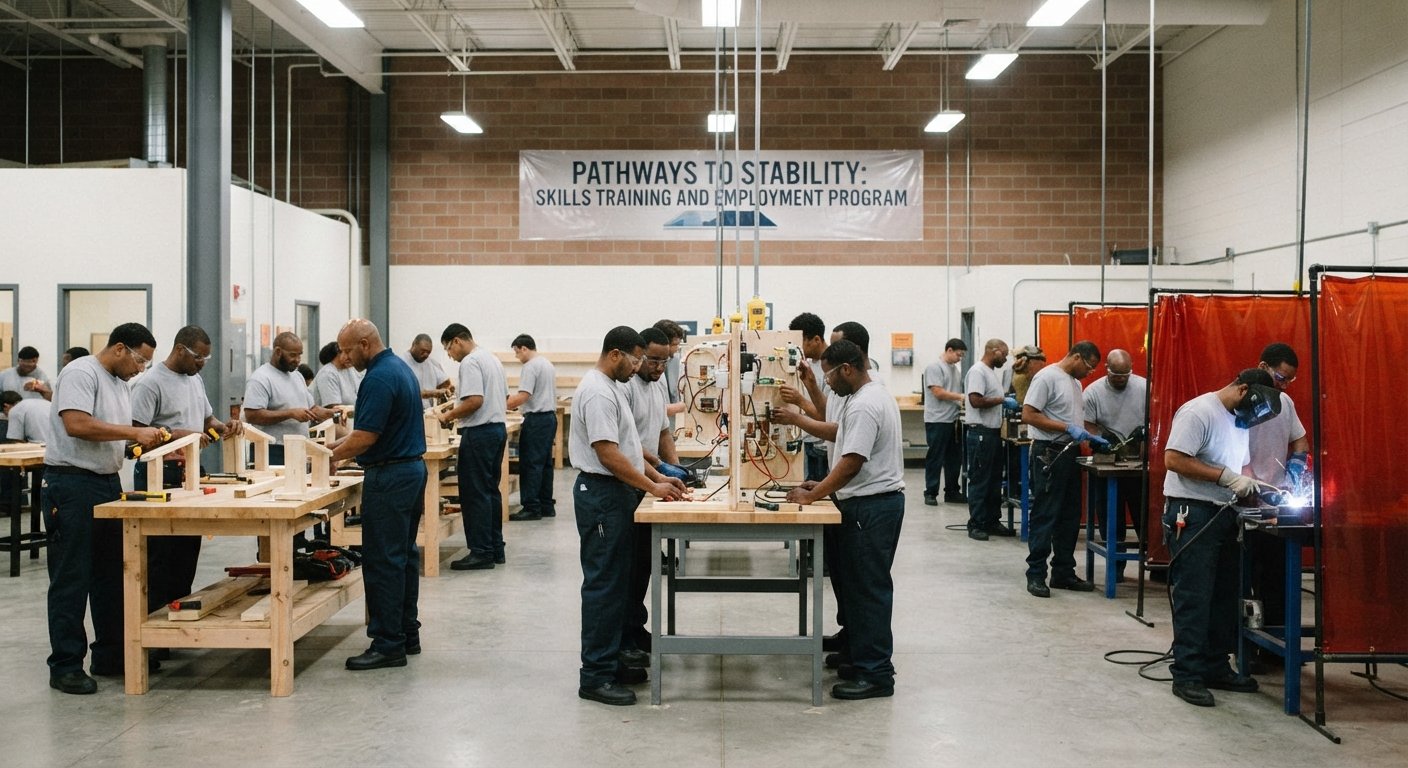
Under an interventionist framework, the proposed solution involves transitioning unhoused individuals into stable living environments paired with mandatory stabilization and rehabilitation services. This approach emphasizes that physical shelter is only the first step; individuals must also be equipped with the tools necessary for long-term independence. By providing structured environments focused on skill development—such as vocational training, education, and behavioral health support—the state can help individuals regain stability and self-sufficiency.
Economic Frameworks: Full Employment and Keynesian Principles
To sustain such an ambitious system of reintegration, proponents often look to macroeconomic strategies inspired by Keynesian economics. John Maynard Keynes argued that government intervention can stabilize economic cycles and achieve full employment through public spending and job creation programs.
Applied to social policy, a Keynesian framework suggests that the state can act as an employer of last resort, creating public works, infrastructure projects, or community service initiatives. By ensuring that there are always sufficient jobs available matching the skills of the workforce, the economy can absorb newly housed individuals into the labor market.
Dignity Through Labor
The central thesis of this perspective is that work provides a fundamental sense of dignity, routine, and integration into society. Rather than viewing compulsory employment programs as punitive, advocates argue that offering structured, meaningful work transforms dependency into active participation. In this view, socialism or strong state intervention is framed not as oppressive control, but as a collective commitment to eradicate poverty, ensure economic security, and guarantee that every person contributes to and benefits from the social fabric.