Debate Over Mail-In Voting

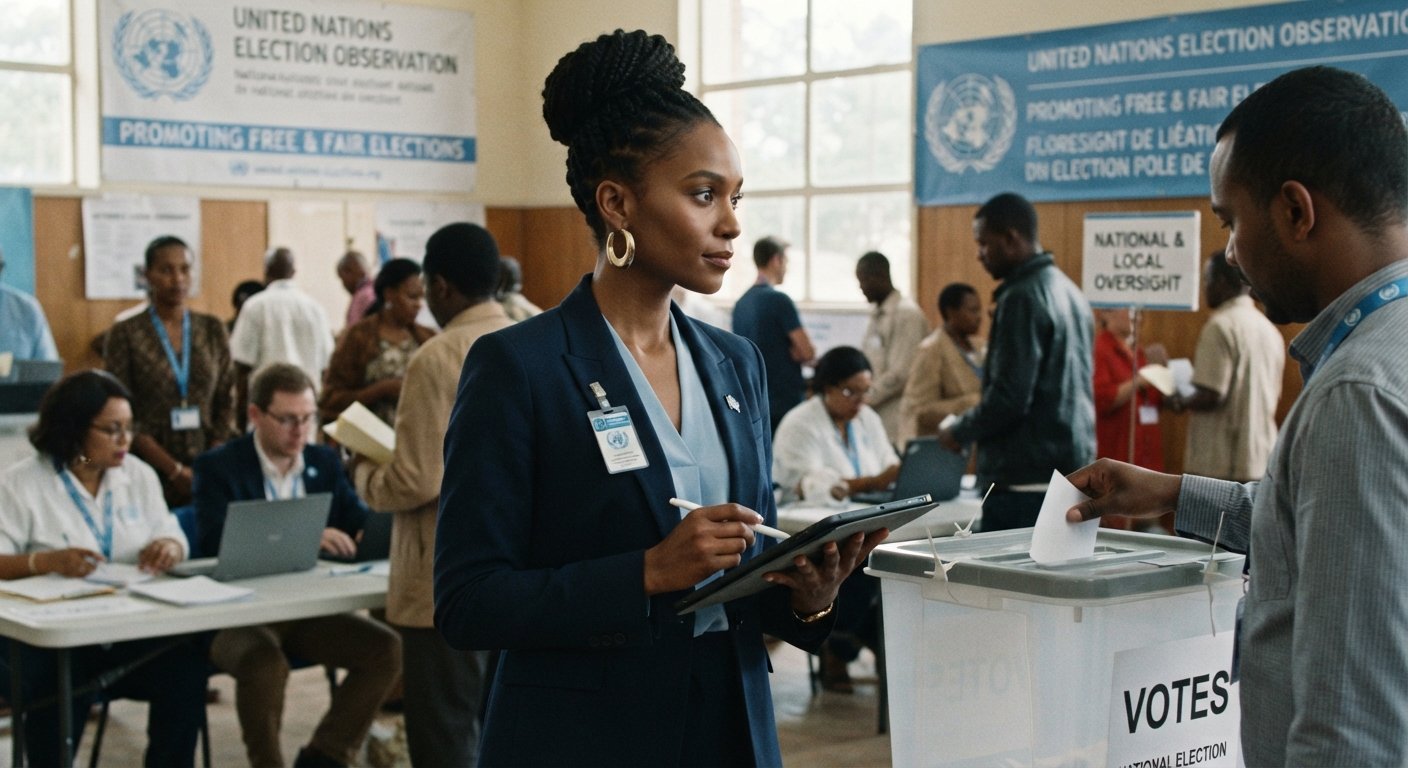
The legal and political friction surrounding national elections often exposes deep divisions over how citizens cast their ballots. Recently, this tension was underscored when the U.S. Supreme Court addressed a high-stakes challenge regarding voting administration. For further details on the background and details of this legal development, you can review reporting from the Associated Press, Democracy Docket, and The Washington Post.

Continue reading “Debate Over Mail-In Voting”

Technology and the Common Good

Taming the Tool: Why AI Demands Global Regulation and a Focus on Labor, Not Sci-Fi

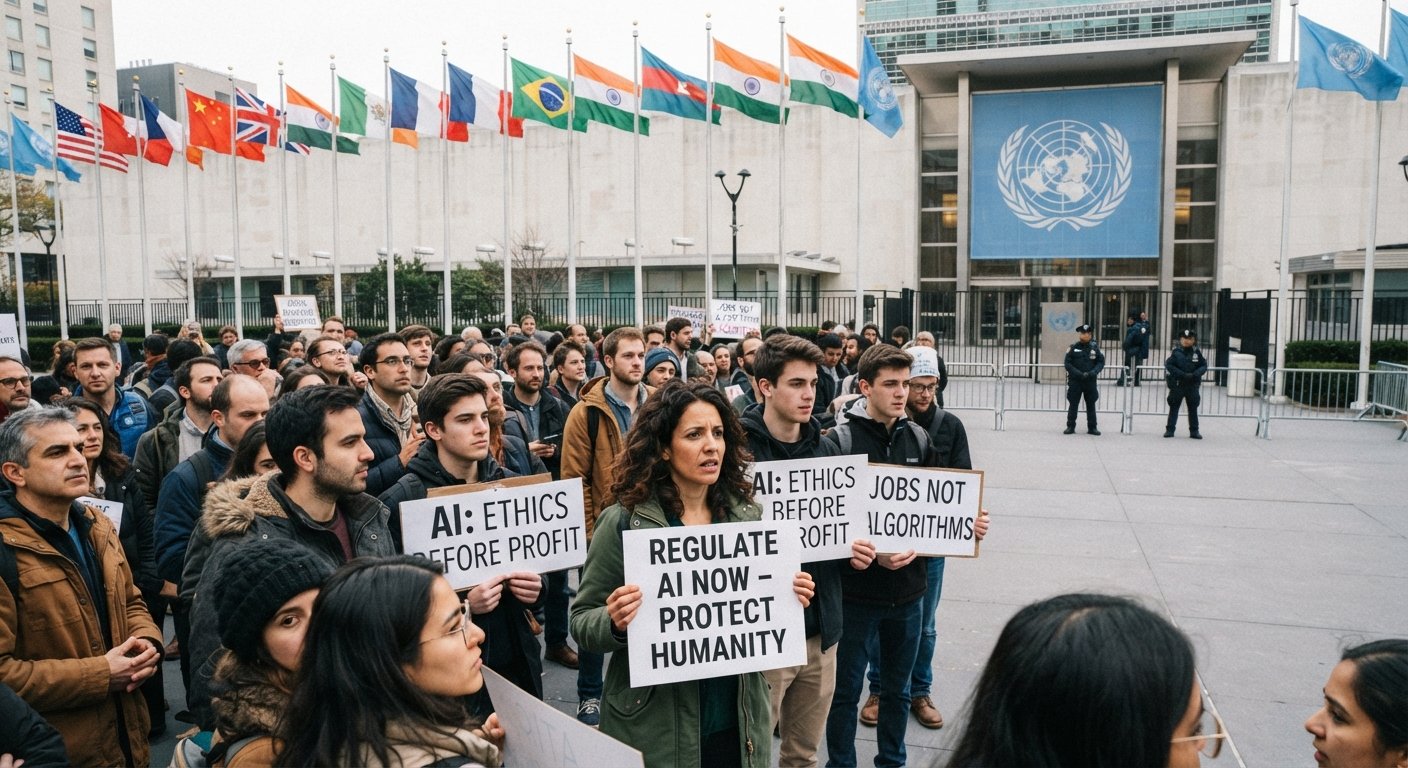
The public discourse surrounding artificial intelligence is frequently pulled in two opposing, unhelpful directions. On one side, tech evangelists promote an uncritical utopianism, promising a frictionless future of boundless productivity. On the other, popular media and speculative commentary lean heavily into science-fiction tropes, fixating on existential threats, sentient algorithms, and dystopian scenarios of AI “taking over” the world. Both narratives obscure the reality of the technology. Artificial intelligence is neither a conscious overlord nor a magical panacea; it is a powerful, highly scalable general-purpose technology. Like the steam engine, the assembly line, or the internet before it, its societal impact will be determined entirely by how it is governed, owned, and deployed. To ensure that the dividends of this technology serve society broadly rather than concentrating wealth in a few hands, AI must be systematically regulated for the common good, with the United Nations playing a central coordinating role.

Continue reading “Technology and the Common Good”

Food Banks and the Poor

Food banks occupy a vital and enduring space in modern society, serving as an essential institutional buffer against poverty that persists regardless of broader economic conditions. Even during periods of robust national prosperity, robust economic growth, and low unemployment, the structural vulnerabilities of market economies ensure that a significant segment of the population remains unable to secure consistent, adequate nutrition through conventional means.

Continue reading “Food Banks and the Poor”

Global International Socialism

The modern global architecture faces compounding crises that transcend national borders—from widening economic inequality and ecological degradation to financial volatility and the displacement of labor. Traditional Westphalian sovereignty, built upon the competition of isolated nation-states, proves increasingly incapable of managing a globally integrated economy dominated by transnational capital. Addressing these systemic failures requires a structural evolution toward international socialism, manifested through a globally regulated mixed economy coordinated by an empowered United Nations.

Continue reading “Global International Socialism”

International Authority to Regulate the Private Sector

Standing Tiny Before the Global Common Good: The Imperative for a Strong United Nations Regulatory Commission

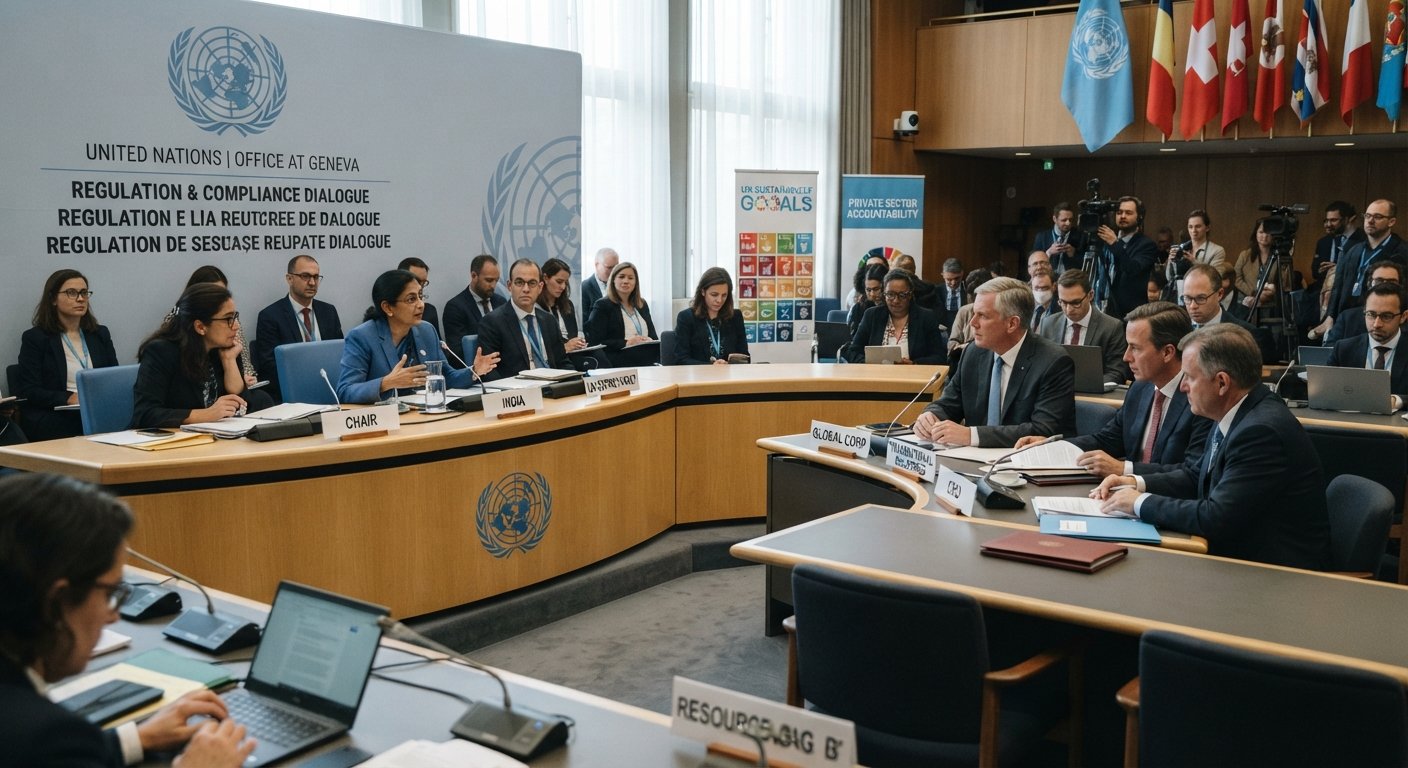
Capitalism, in its purest and most unbridled form, is driven by a singular, relentless imperative: the accumulation of capital. While this engine of private enterprise has generated unprecedented technological innovation and material wealth over the past few centuries, leaving it entirely unchecked and unregulated produces systemic crises that threaten the very fabric of human society and the natural world. In an era of globalization, where corporate entities transcend national borders with ease, the traditional nation-state often finds itself outmatched, captured, or coerced by transnational capital. To protect humanity from the perils of corporate hegemony, environmental collapse, and extreme inequality, we must envision a paradigm shift: a strengthened United Nations endowed with the authority to regulate international corporations for the collective good, redistribute wealth and income, and act as an ecological guardian. Within this new order, corporate giants—no matter how vast their market capitalization or global reach—must stand tiny and small before the regulatory commissions of the United Nations.

Continue reading “International Authority to Regulate the Private Sector”