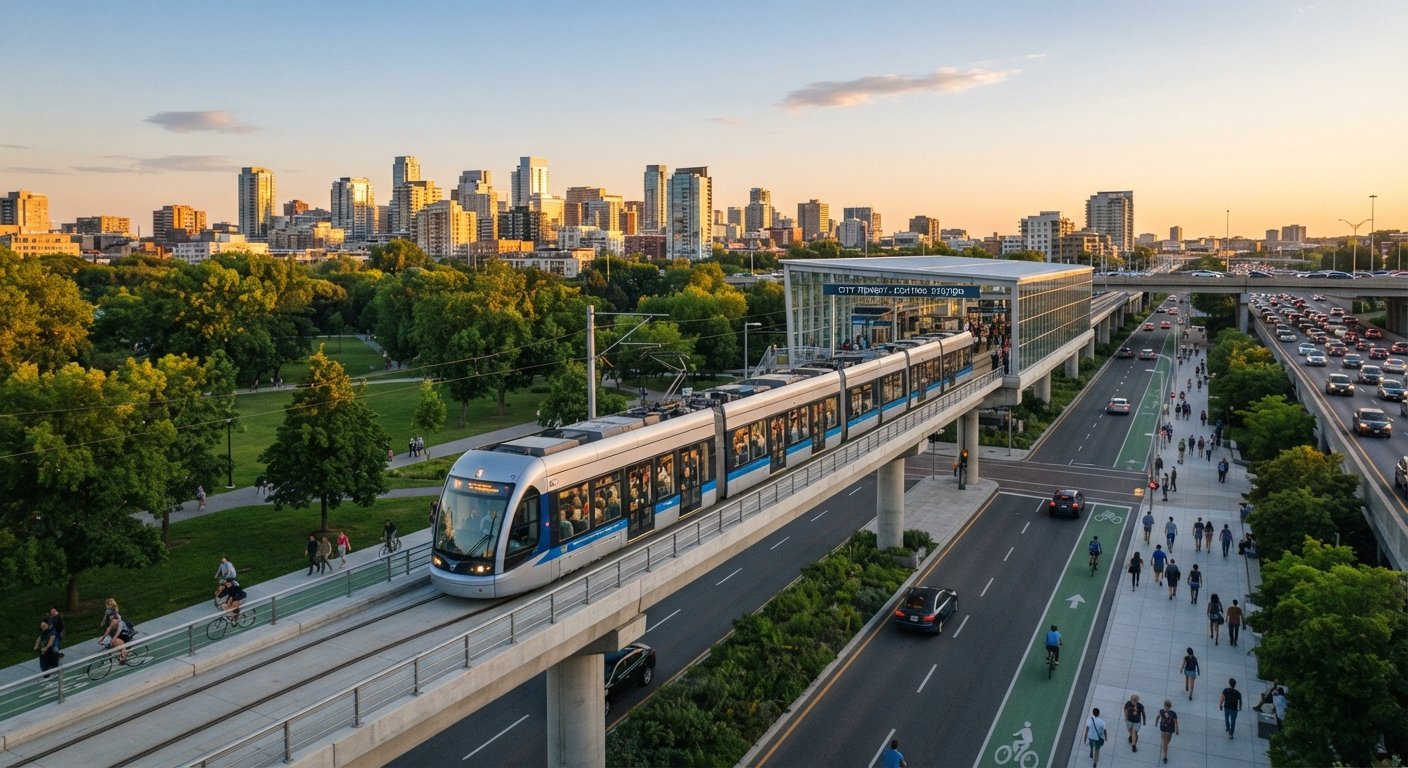
Modern civilization is built on movement. From the earliest trade routes to the asphalt webs spanning contemporary continents, how we move defines our economies, our environments, and our daily quality of life. Yet, for decades, infrastructure planning across many parts of the developed world has been tethered to a single paradigm: the private automobile. This car-centric focus has yielded congested highways, sprawling suburbs disconnected from essential services, and a heavy carbon footprint. To build a resilient, sustainable, and equitable future, governments must fundamentally pivot their transportation priorities. Investing heavily in public transit—with a special emphasis on trains, heavy rail, and intercity corridors—is no longer merely an option; it is an absolute necessity.
Continue reading “The Iron Arteries of Progress: The Imperative for Investing in Public Transportation, Trains, and Rails”Beyond the Woods: Why Democratic Socialism and Heavy State Regulation Offer Our Best Path Forward
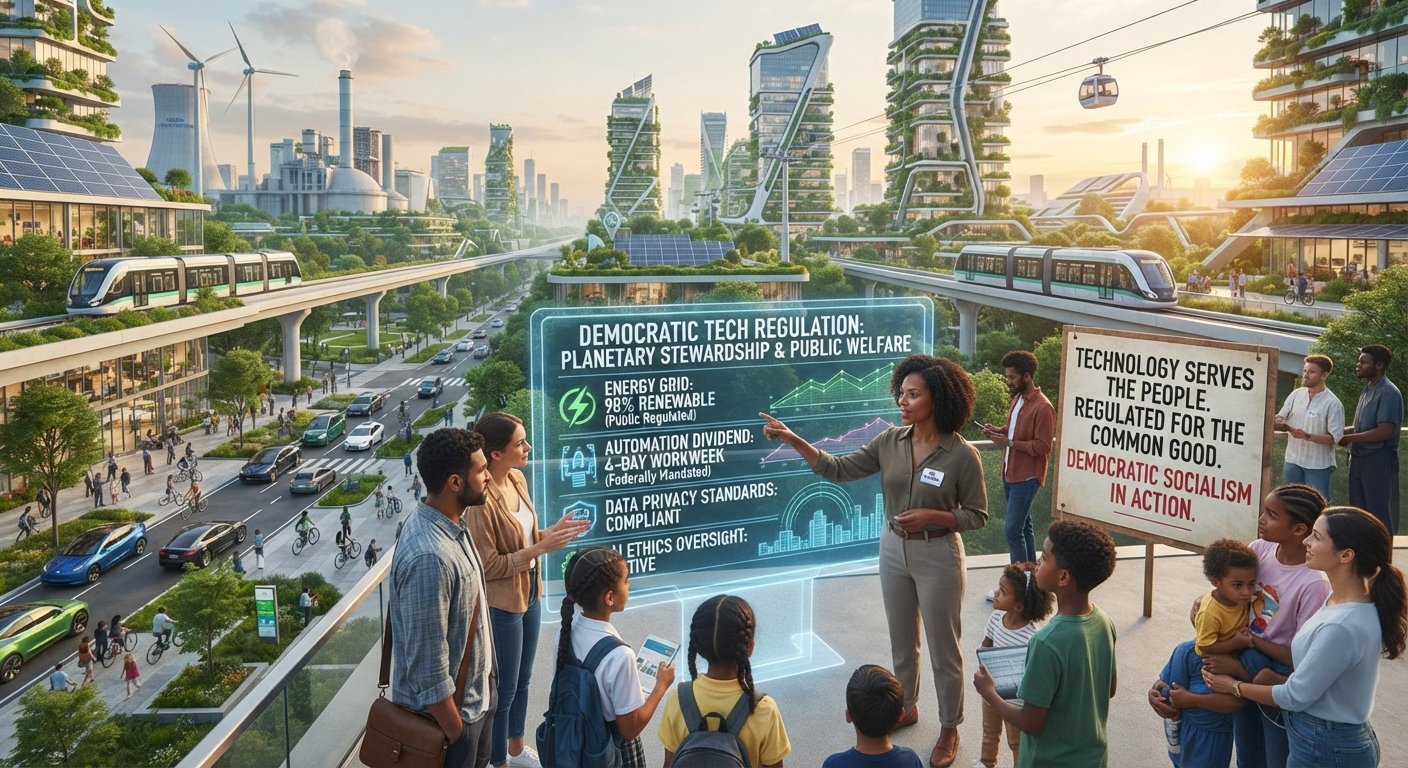
The romanticized longing for a return to a pre-industrial, “back-to-nature” existence is a powerful siren song. In an era marked by climate anxiety, algorithmic alienation, and corporate surveillance, the impulse to strip away modern machinery and retreat to the woods is entirely understandable. However, this primitivist philosophy fundamentally misdiagnoses our civilizational crisis. Technology itself is not the enemy of humanity or the earth; rather, it is a neutral tool whose current destructiveness stems from the profit-driven motives of unregulated capitalism. To abandon technology is to abandon billions to preventable suffering. Instead of retreating backward into the woods, our best path forward lies in embracing technological acceleration, guided, constrained, and directed by heavy government regulation through a democratic socialist framework.
Continue reading “Beyond the Woods: Why Democratic Socialism and Heavy State Regulation Offer Our Best Path Forward”The Economic Imperative of Raising the Minimum Wage: A Keynesian Framework for Growth, Employment, and Stability
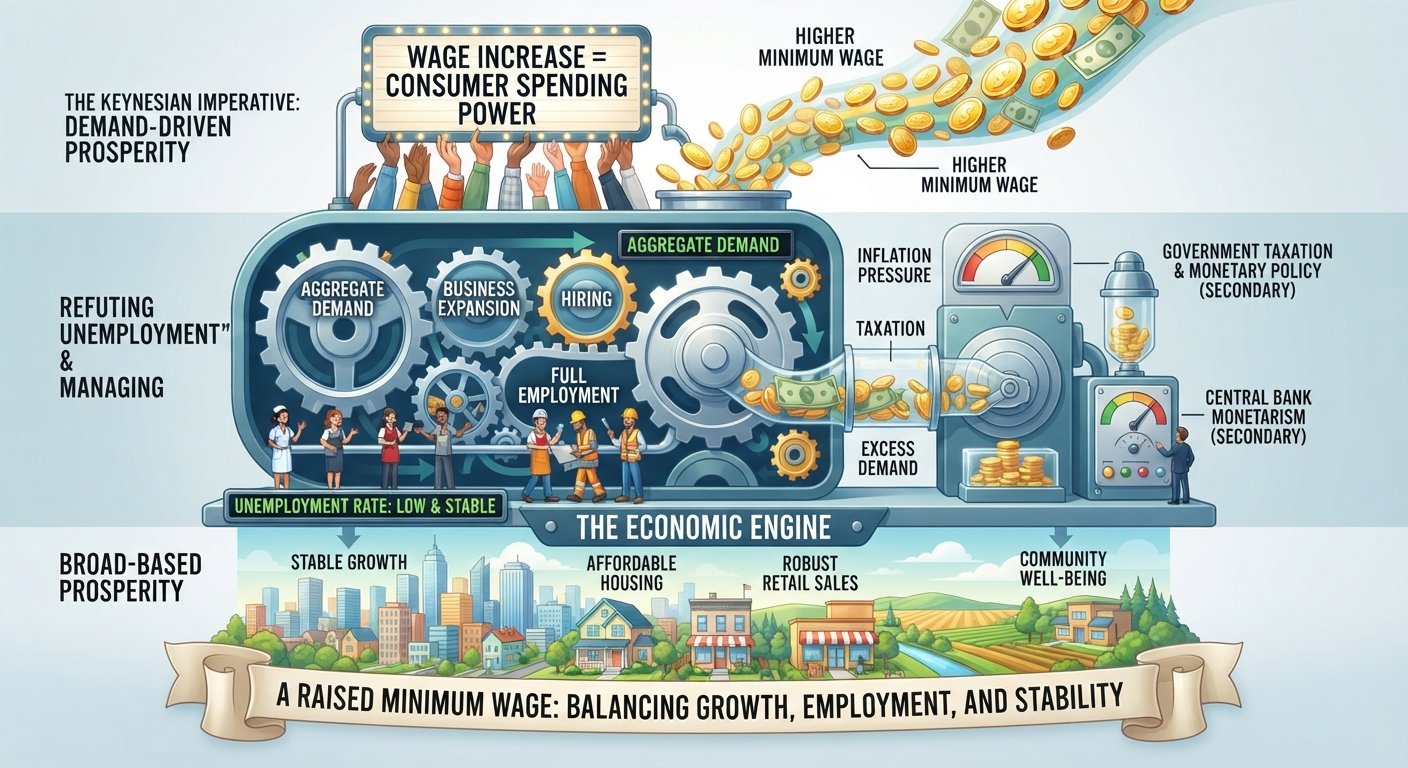
For decades, the debate surrounding the minimum wage has remained deadlocked between ethical appeals for a living wage and orthodox economic warnings of ruinous job losses and inflationary spirals. Critics of minimum wage increases often rely on static, neoclassical supply-and-demand models, arguing that artificially raising the price of labor inevitably reduces its quantity demanded. However, this view overlooks the dynamic realities of aggregate demand, consumer purchasing power, and modern macroeconomic policy. By examining the issue through a Keynesian framework—supported by targeted taxation and secondary monetarist controls—we can see that raising the minimum wage is not only a moral necessity but a sound economic strategy for achieving full employment and sustainable growth.
Continue reading “The Economic Imperative of Raising the Minimum Wage: A Keynesian Framework for Growth, Employment, and Stability”We Need a Functional Solution to the Homeless Issue
The debate surrounding homelessness is one of the most pressing social challenges of our time, touching on questions of human rights, economic policy, and the role of the state. While approaches to the crisis vary widely across the political spectrum, addressing chronic homelessness effectively requires balancing compassionate support with systemic economic reform.
Continue reading “We Need a Functional Solution to the Homeless Issue”Bridging Compassion and Contribution: A Work-Anchored Vision for Social Support
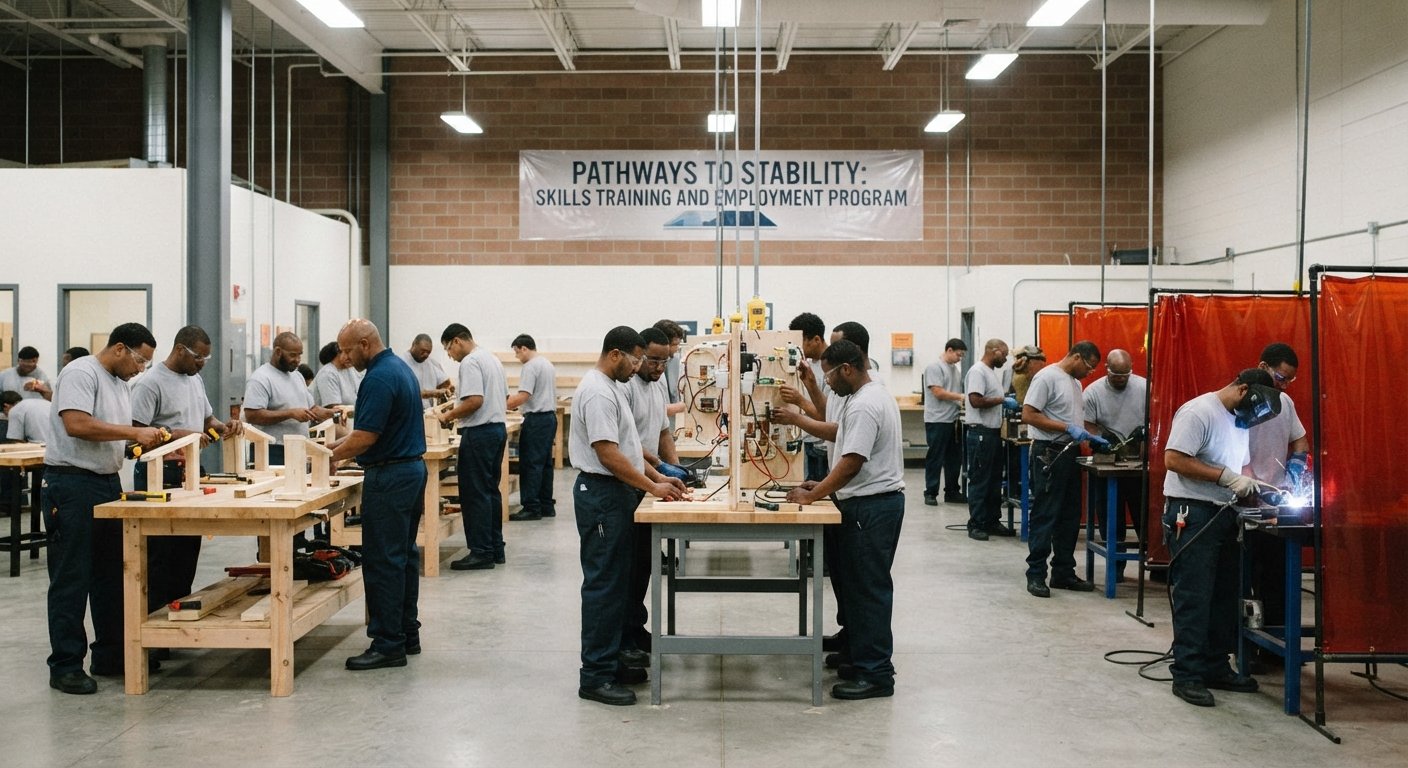
Helping the vulnerable is a moral imperative of any civilized society. True community strength is measured by how we treat our most disadvantaged members. However, the method by which we deliver support matters just as much as the intention behind it.
While democratic socialism correctly identifies the need for economic security and a robust social safety net, tying those benefits directly to work creates a sustainable, dignified, and culturally sound framework.
Continue reading “Bridging Compassion and Contribution: A Work-Anchored Vision for Social Support”