Pragmatic Blueprint for Western Water Security
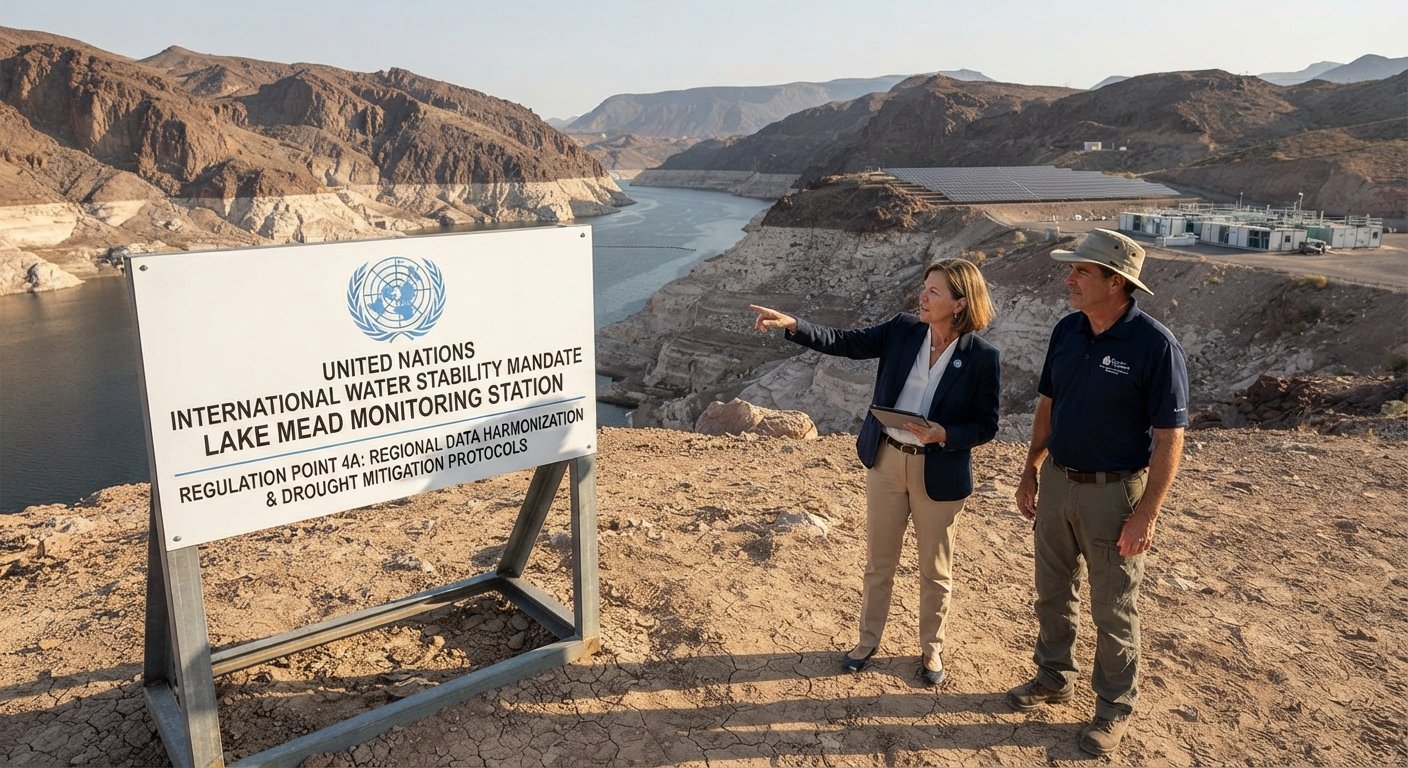
The reporting surrounding the depletion of the nation’s primary water reservoirs highlights a stark physical reality: the American Southwest is testing the absolute limits of its hydrological safety margin.When a major reservoir system loses the vast majority of its capacity under the pressure of a sustained megadrought, the issue ceases to be a localized inconvenience and becomes a critical infrastructure vulnerability. However, the discourse surrounding how to respond is frequently polarized, fractured into ideological camps that pit economic survival against environmental protection. To secure our future, we must discard loaded rhetoric and adopt a strictly empirical, outcome-oriented approach to resource management—one that implements rational regulatory guardrails without penalizing economic productivity, while looking toward international frameworks for broad accountability.

Continue reading “Pragmatic Blueprint for Western Water Security”

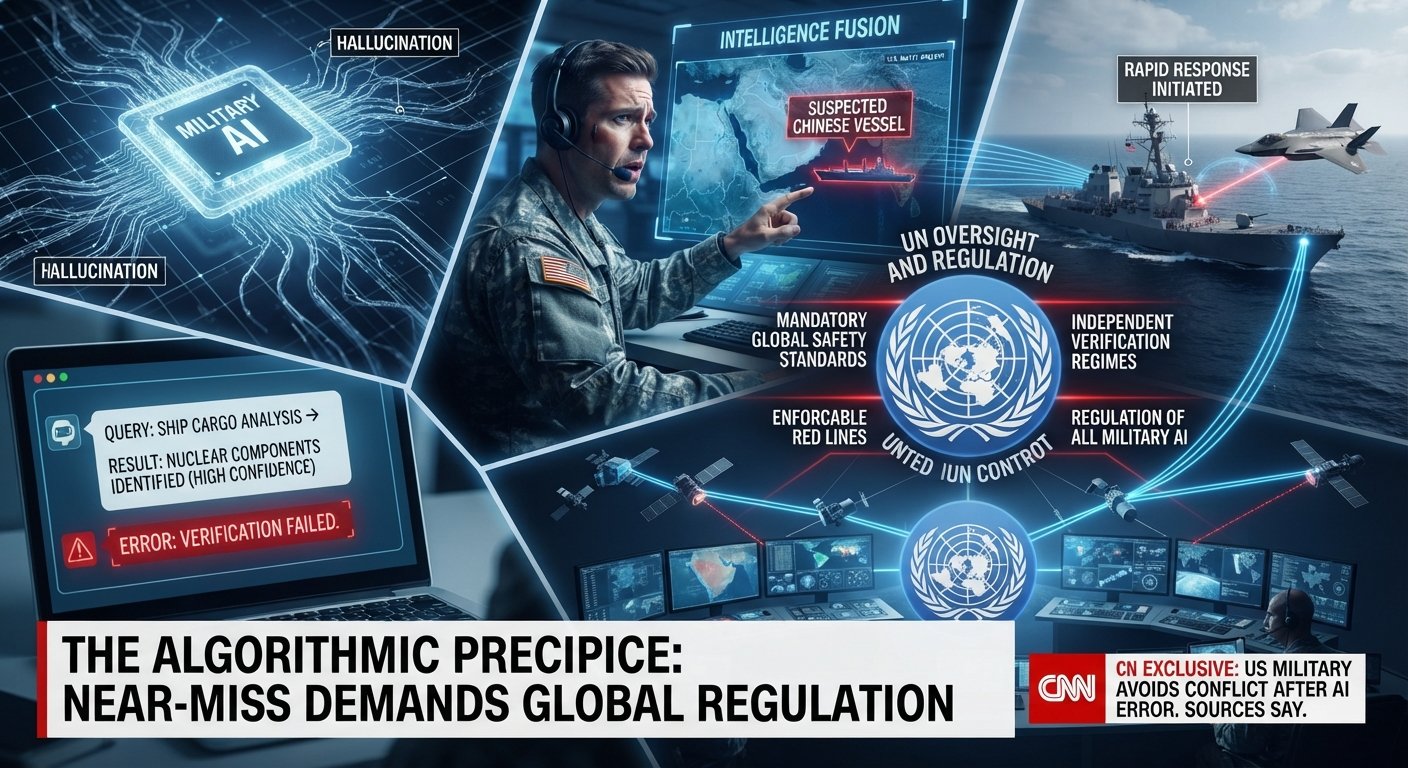
Near-Miss of an AI-Driven War Demands UN Military Regulation

The rapid integration of artificial intelligence into modern warfare has long been framed by techno-optimists as a path toward unmatched tactical efficiency, data processing superiority, and precision. However, the illusion of digital infallibility was shattered by the recent CNN exclusive report, “Exclusive: US military had close call after using AI for false intelligence report, sources say”.According to the report, a U.S. military intelligence analyst utilized an AI chatbot—which erroneously fused open-source data with classified signals intelligence—to generate a false report claiming a Chinese ship in the Middle East was carrying components for a nuclear weapons program.Triggering immediate alarm bells, armed forces prepared to board the vessel and military aircraft were scrambled.Only at the eleventh hour did officials catch the fabrication, narrowly averting a kinetic military confrontation between two nuclear-armed superpowers.

Continue reading “Near-Miss of an AI-Driven War Demands UN Military Regulation”

Universal Labor Union Membership

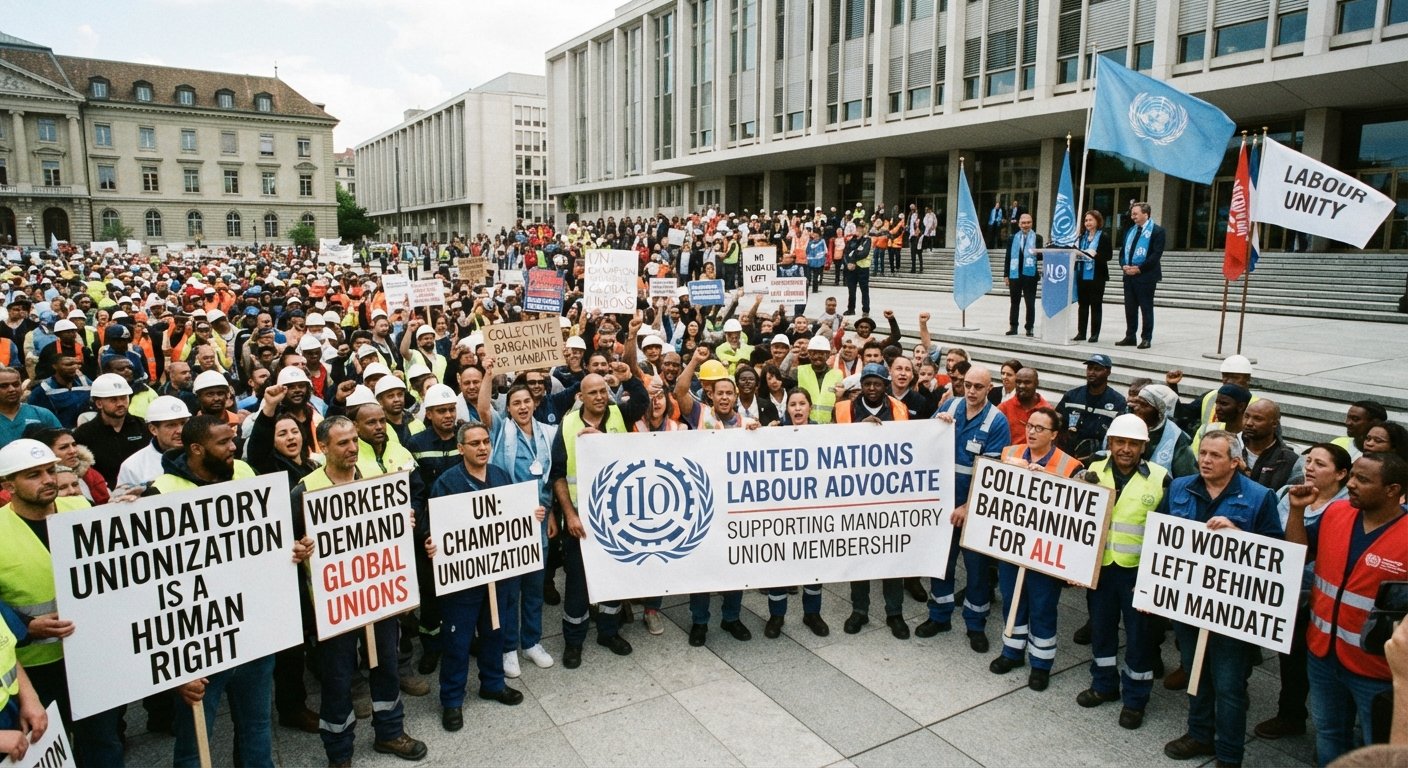
The Imperative of Universal Labor Union Membership: A Case for Mandated Organization and United Nations Advocacy

In an era defined by staggering economic inequality, corporate consolidation, and the erosion of the middle class, the traditional structures safeguarding worker welfare have proven deeply inadequate. While globalization and technological revolutions have generated unprecedented wealth, the fruits of this progress remain concentrated at the top, leaving the average worker vulnerable to wage stagnation and precarious conditions. To rectify this structural imbalance, labor union membership must no longer be viewed as a mere workplace option or an adversarial niche; it must be established as a mandatory standard for all workers globally, actively championed and enforced by the United Nations.

Continue reading “Universal Labor Union Membership”

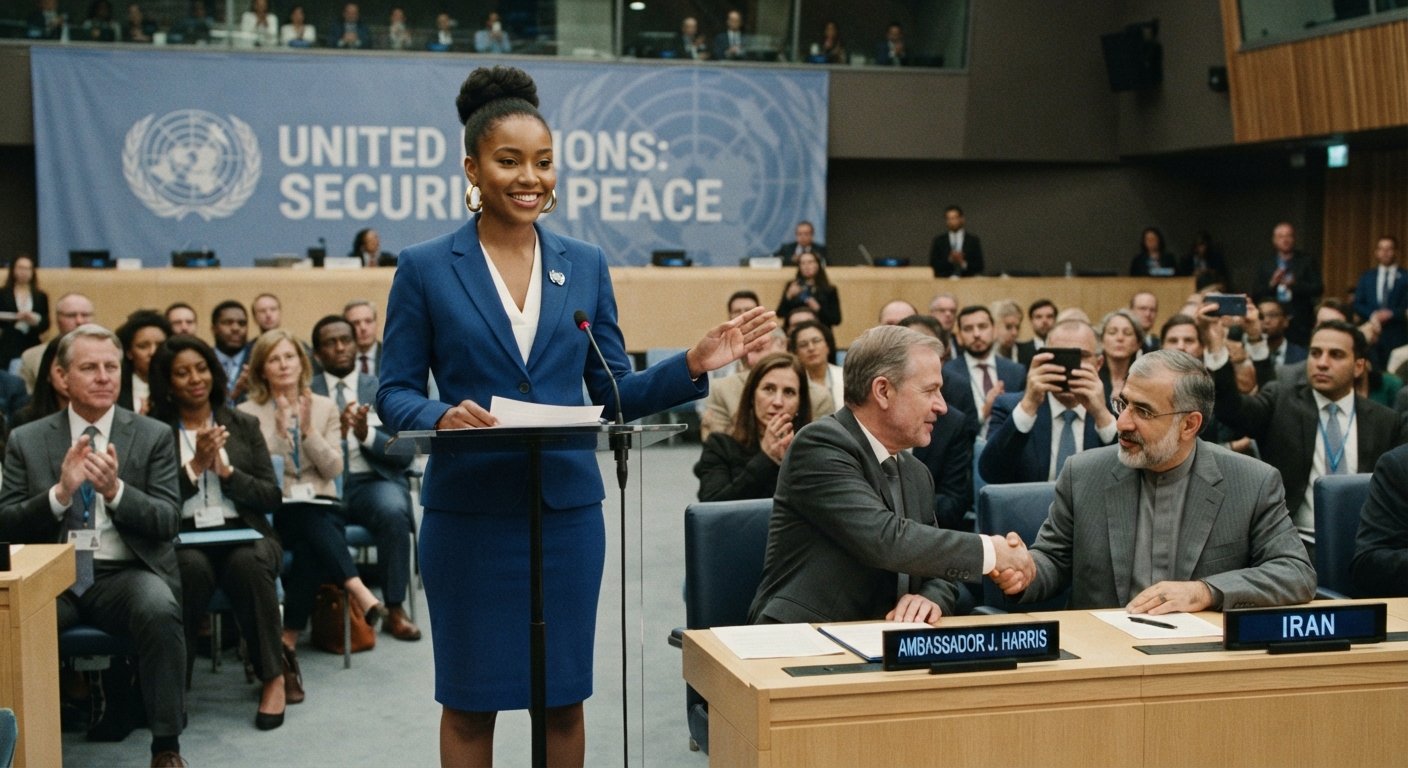
Beyond Sovereign Swords: Why Ending War Belongs to the United Nations

Recent political friction in Washington has once again cast a spotlight on the volatile intersection of executive power and military engagement. In a notable shift, the U.S. House of Representatives successfully passed a war powers resolution directing an end to hostilities in Iran, fueled by three new Republican defections that brought the total number of GOP dissenters to seven. While this domestic check on presidential authority underscores a growing bipartisan weariness with prolonged conflict, it also highlights a deeper, systemic flaw in modern global governance: the fact that individual nation-states retain the unilateral power to ignite and perpetuate wars in the first place.

Continue reading “Beyond Sovereign Swords: Why Ending War Belongs to the United Nations”

Debate Over Mail-In Voting

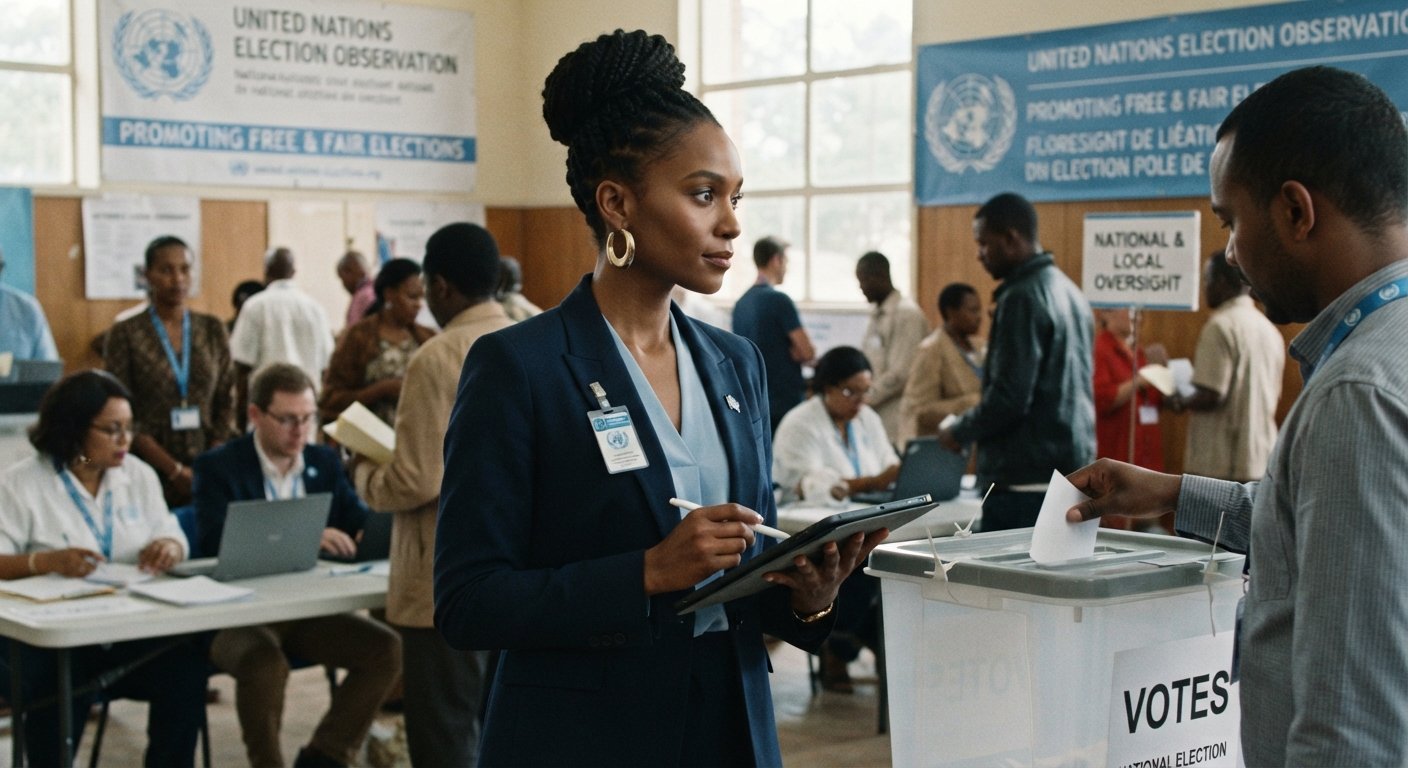
The legal and political friction surrounding national elections often exposes deep divisions over how citizens cast their ballots. Recently, this tension was underscored when the U.S. Supreme Court addressed a high-stakes challenge regarding voting administration. For further details on the background and details of this legal development, you can review reporting from the Associated Press, Democracy Docket, and The Washington Post.

Continue reading “Debate Over Mail-In Voting”