Navigating the American Education Crisis: The Case for the Three Rs and Restored Discipline

American education is facing a profound quality crisis. For years, national metrics and longitudinal studies have signaled a troubling downward trend in student achievement across core academic subjects. To reverse this trajectory, schools must strip away administrative bloat and pedagogical fads, anchoring themselves in a proven remedy: a rigorous return to the basics—reading, writing, and arithmetic—bolstered by a renewed commitment to classroom discipline.

Continue reading “Navigating the American Education Crisis: The Case for the Three Rs and Restored Discipline”

The Architecture of Harmony: Why Global Governance Under the United Nations is the Imperative of Our Time

The image provided serves as a striking metaphorical blueprint for the modern dilemma of international relations. A towering, poised stateswoman—embodying supreme institutional authority and draped in the symbolic blue of the United Nations—stands watch over a sleek conference table where tiny, fragmented figures clutch the isolated flags of individual nation-states. The backdrop features the iconic UN emblem and a matching flag, emphasizing an omnipresent framework of international cooperation. Visually, the scale disparity is profound: the individual delegates appear constrained by their local boundaries, while the unified authority represents the overarching perspective needed to comprehend the whole room.

Continue reading “The Architecture of Harmony: Why Global Governance Under the United Nations is the Imperative of Our Time”

We Must Return to the Wisdom of the “Old Left”

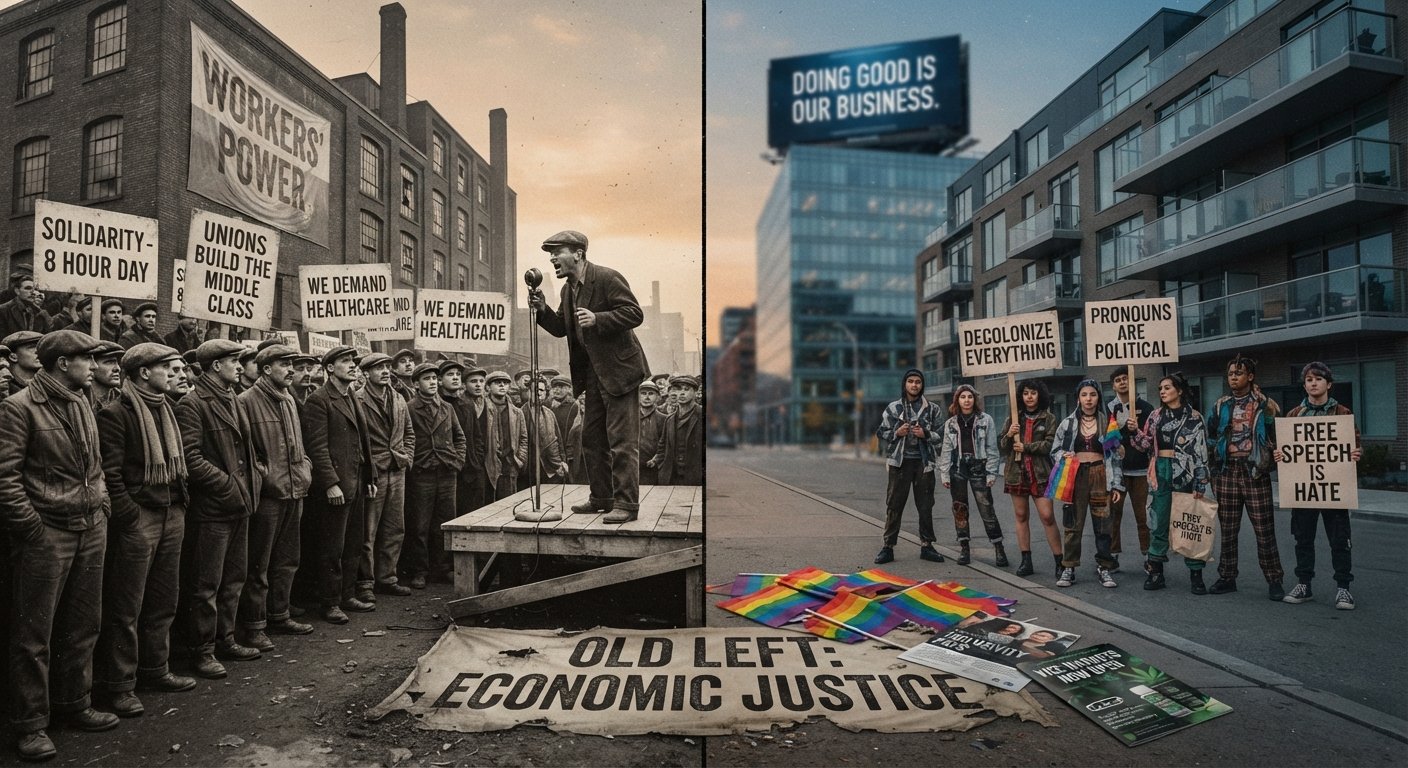
The political evolution of the Western left over the past century represents a fundamental shift in focus—from material economic security to cultural individualism. While the “Old Left” of the mid-20th century prioritized labor, wages, and social welfare, the “New Left” that emerged post-1960 pivoted toward cultural identity, permissive lifestyles, and symbolic politics. For the lower and working classes, this transition has been a disaster, trading tangible material gains for symbolic gestures that ultimately strengthen corporate power and hand political victories to the right.

Continue reading “We Must Return to the Wisdom of the “Old Left””

The Illusion of Age Verification: Why Complete Prohibition is the Only Solution for Vices

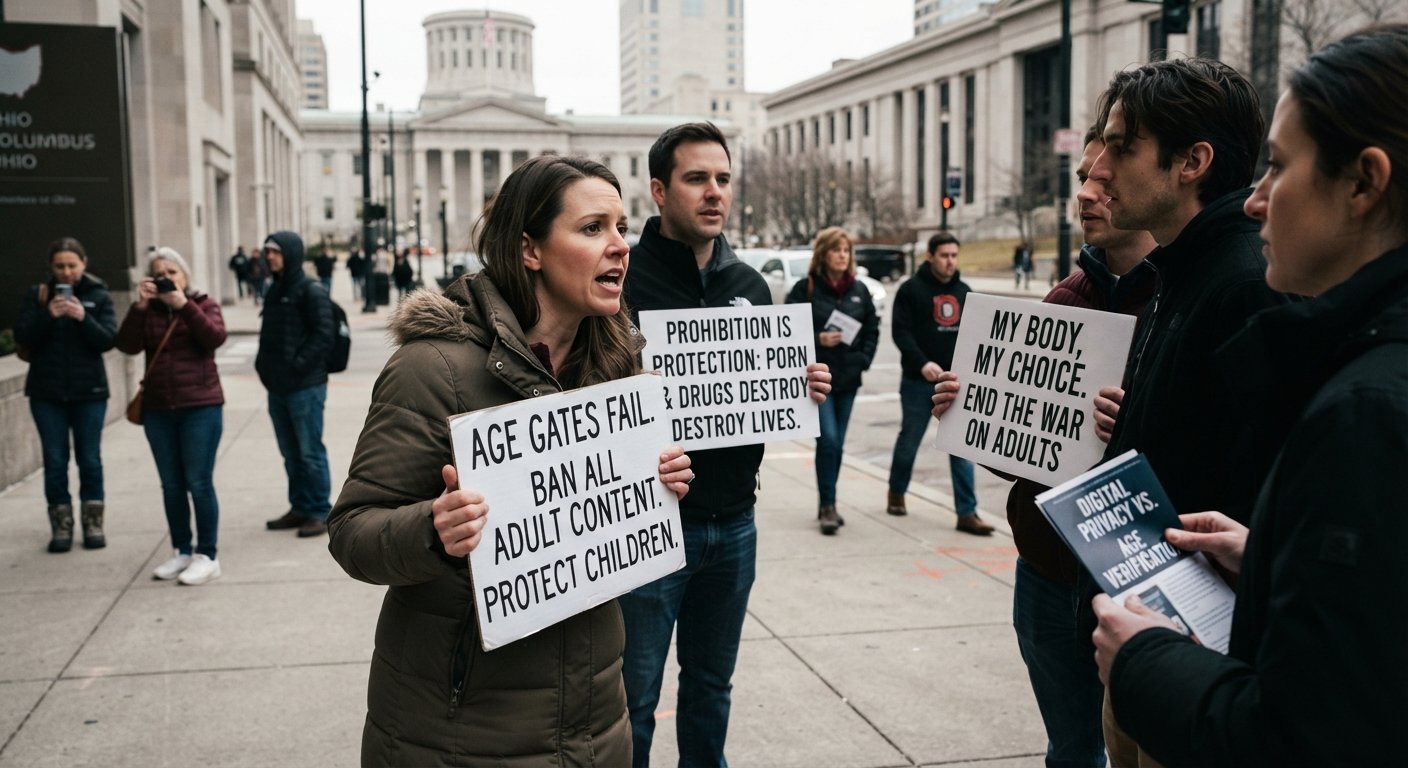
Recent legislative efforts, such as Ohio’s age verification mandates for online adult platforms, reflect a growing societal panic over minors accessing harmful digital content. The core objective of these laws—protecting children from explicit material—is hard to argue against. However, the mechanism of age verification is fundamentally flawed. Attempting to gatekeep adult vices while keeping them legal for adults creates an endless game of digital whack-a-mole. If a commodity or vice is legal for adults, minors will inevitably find a way to access it, whether through indulgent parents, older peers, or technical workarounds. To truly protect society and shield children from negative commodities, lawmakers must abandon half-measures like age verification and instead pursue the total illegalization of both pornography and harmful drugs, such as cannabis.

Continue reading “The Illusion of Age Verification: Why Complete Prohibition is the Only Solution for Vices”

Beyond the Mud: Why Modern Campaign Ads Need to Refocus on the Issues

Elections are supposed to be a marketplace of ideas—a structured debate where voters weigh competing visions for the economy, healthcare, education, and infrastructure. Yet, modern political advertising has increasingly devolved into a theater of personal destruction. Rather than engaging voters with policy proposals, campaigns frequently lean on character assassinations, irrelevant personal attacks, and manufactured outrage.

Continue reading “Beyond the Mud: Why Modern Campaign Ads Need to Refocus on the Issues”