
The Cybernetic Commons: Steering Artificial Intelligence via Democratic Socialist Internationalism

As artificial intelligence rapidly accelerates past national boundaries, it presents humanity with a profound governance paradox. Left to the competitive impulses of corporate monopolies and hyper-nationalist rivalries, AI threatens to deepen inequality, destabilize labor markets, and trigger catastrophic technological arms races.

Addressing this trajectory requires a paradigm shift: the future of AI must be regulated for the common good, with authority increasingly vested in a reformed United Nations. By leveraging AI to centralize and democratize global coordination, the international community can foster a non-authoritarian, democratic socialist model of planetary governance.

Continue reading “The Cybernetic Commons: Steering Artificial Intelligence via Democratic Socialist Internationalism”
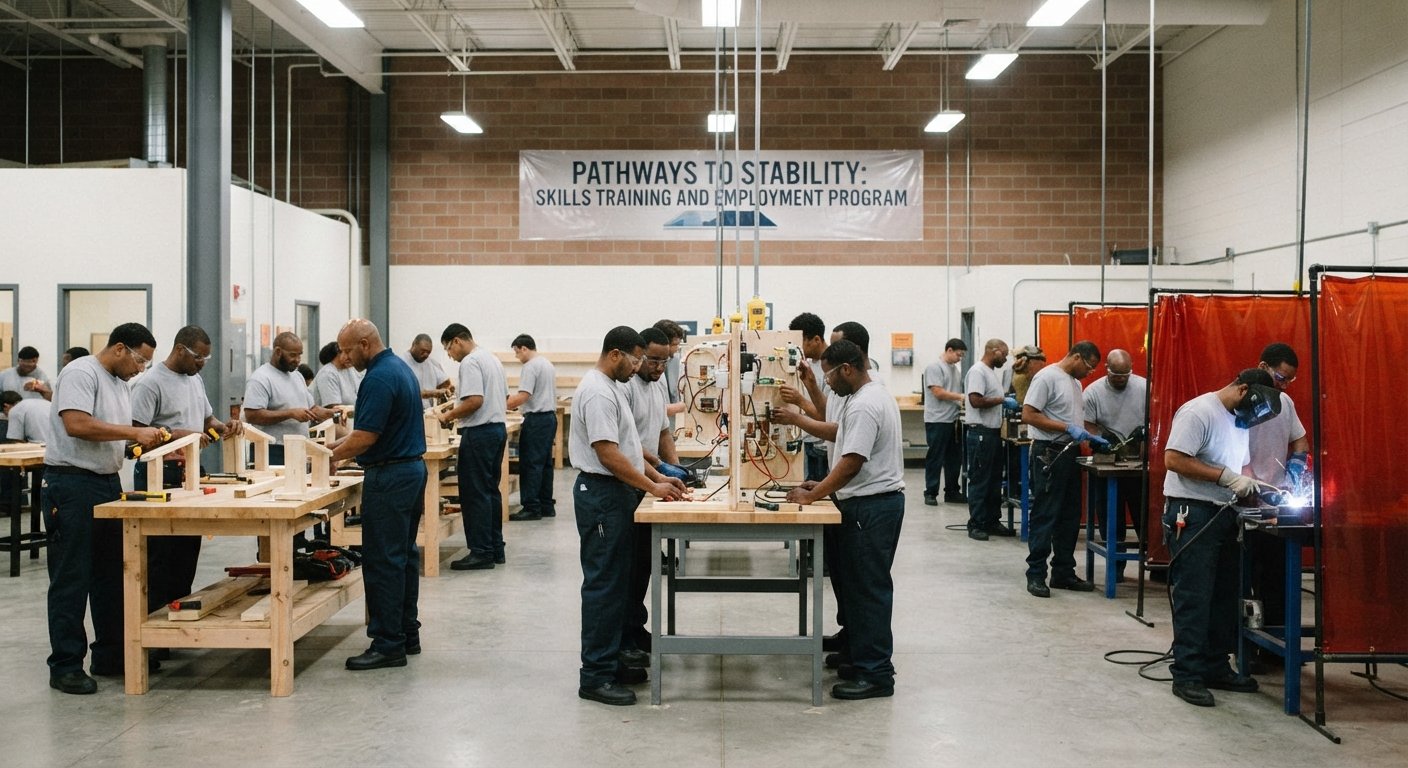

We Need a Functional Solution to the Homeless Issue

The debate surrounding homelessness is one of the most pressing social challenges of our time, touching on questions of human rights, economic policy, and the role of the state. While approaches to the crisis vary widely across the political spectrum, addressing chronic homelessness effectively requires balancing compassionate support with systemic economic reform.

Continue reading “We Need a Functional Solution to the Homeless Issue”

Beyond the Horizon of Unilateral Burden: Why the United Nations Must Police the Seven Seas

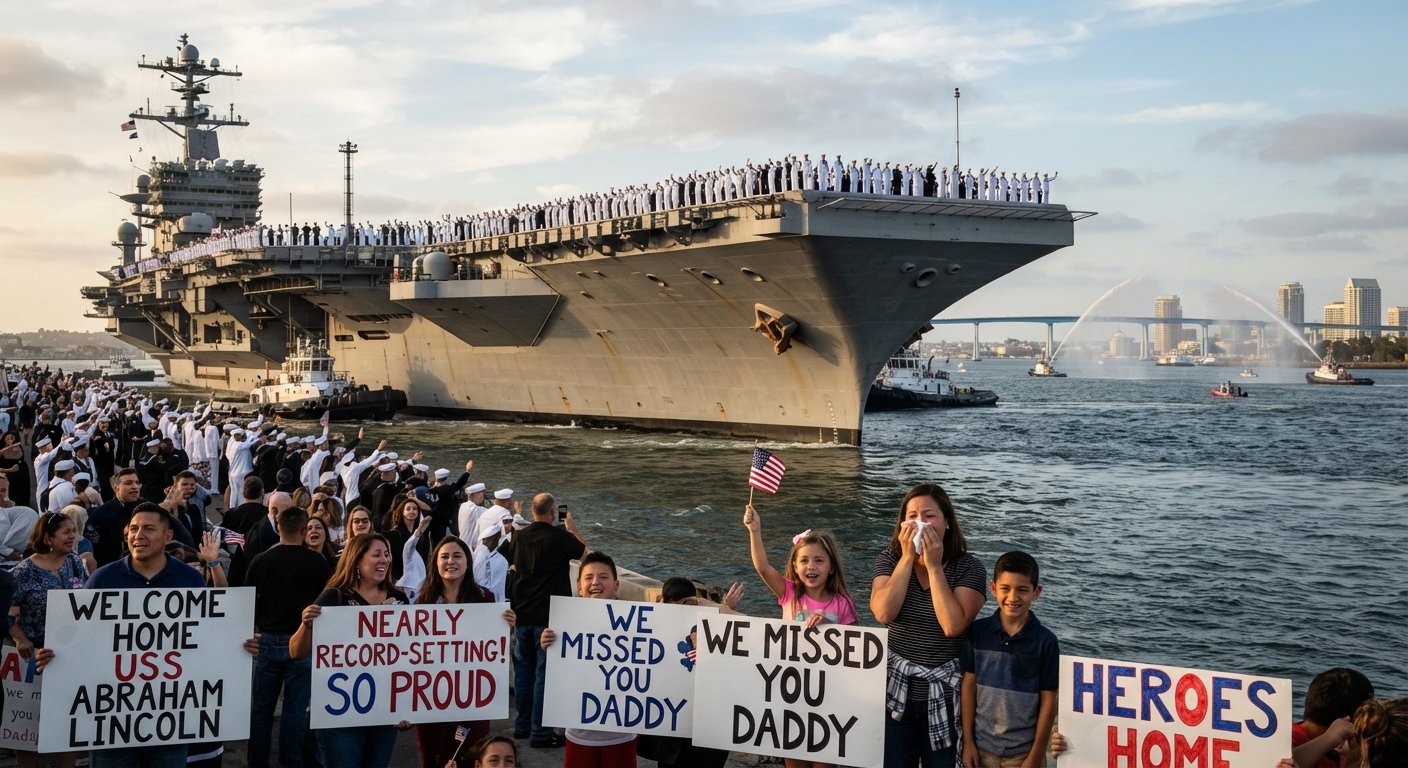
The return of the USS Abraham Lincoln to port after a near-record, grueling deployment marks more than just a logistical milestone for the United States Navy; it highlights a profound human and structural crisis in modern global security. As detailed in coverage surrounding the carrier’s extended tour supporting operations tied to the Iran conflict, the nearly year-long mission pushed thousands of sailors and Marines to the absolute brink.Facing severe supply shortages, deteriorating mental health conditions, and the immense psychological strain of modern combat positioning, the crew’s ordeal brings a hidden cost of unilateral superpower policing into sharp focus. Incidents like this underscore an urgent, systemic need for a paradigm shift in maritime governance: the responsibility of patrolling and policing the world’s “seven seas” should no longer fall primarily on the shoulders of a single nation’s military, but should instead be transitioned to a collective, robust mandate under the United Nations.

Continue reading “Beyond the Horizon of Unilateral Burden: Why the United Nations Must Police the Seven Seas”

The Architecture of Order: Global Governance and the Common Good

The modern era faces a profound paradox: while humanity possesses unprecedented technological and economic power, it struggles with fragmentation, systemic volatility, and a crisis of collective purpose. From transnational market instabilities to social dissolution, unchecked individualism and unrestrained economic competition have repeatedly proven incapable of safeguarding human well-being. To navigate an increasingly complex world, society must embrace a comprehensive framework of order—one that extends from international diplomacy down to individual conduct, anchored by a centralized global authority.

Continue reading “The Architecture of Order: Global Governance and the Common Good”

Navigating the American Education Crisis: The Case for the Three Rs and Restored Discipline

American education is facing a profound quality crisis. For years, national metrics and longitudinal studies have signaled a troubling downward trend in student achievement across core academic subjects. To reverse this trajectory, schools must strip away administrative bloat and pedagogical fads, anchoring themselves in a proven remedy: a rigorous return to the basics—reading, writing, and arithmetic—bolstered by a renewed commitment to classroom discipline.

Continue reading “Navigating the American Education Crisis: The Case for the Three Rs and Restored Discipline”