A Strong United Nations is Essential for Our World
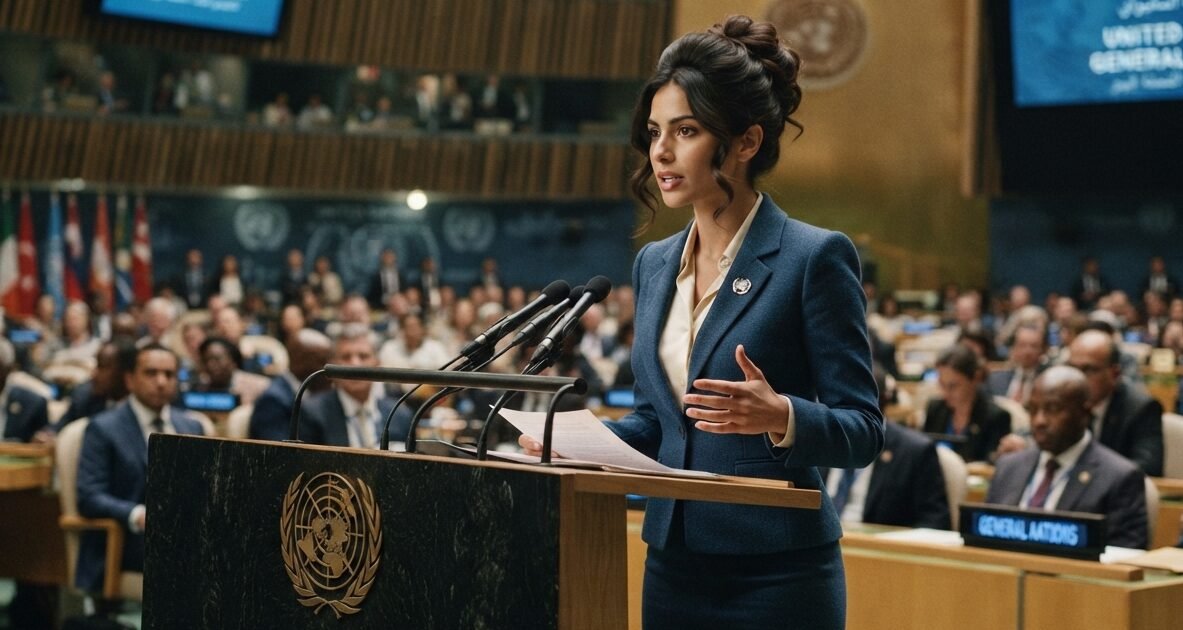
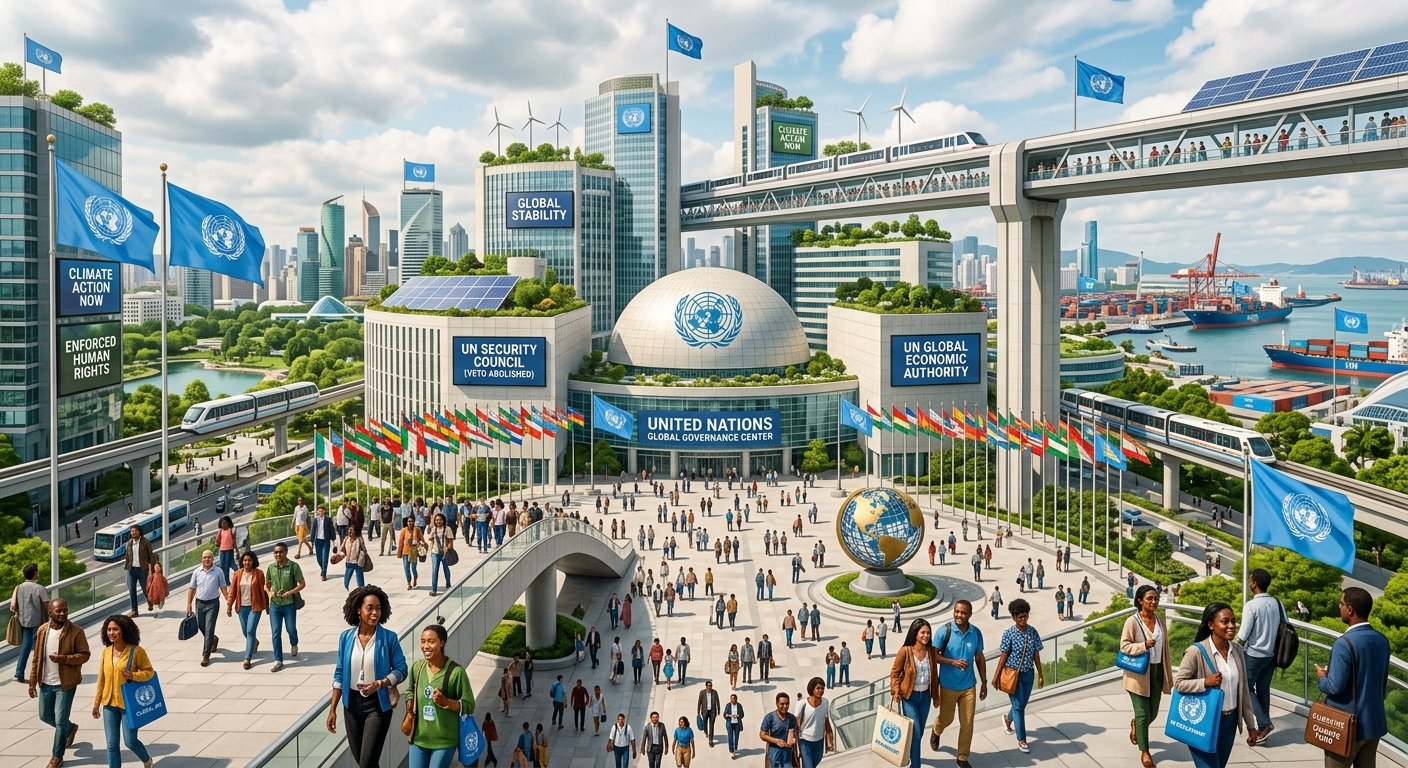
In an interconnected era defined by complex transnational challenges—ranging from localized geopolitical conflicts and nuclear proliferation to global economic instability and environmental degradation—the necessity of a robust, empowered United Nations has never been more critical. Founded in the wake of devastating global conflict in 1945, the UN serves as the primary architecture for international diplomacy, human rights protection, and collective security. A strong United Nations is not merely a bureaucratic institution; it is an indispensable pillar for world peace, economic prosperity, and the preservation of international law.

Continue reading “A Strong United Nations is Essential for Our World”

Empowered UN Peacekeeping is Essential for Middle Eastern Stability

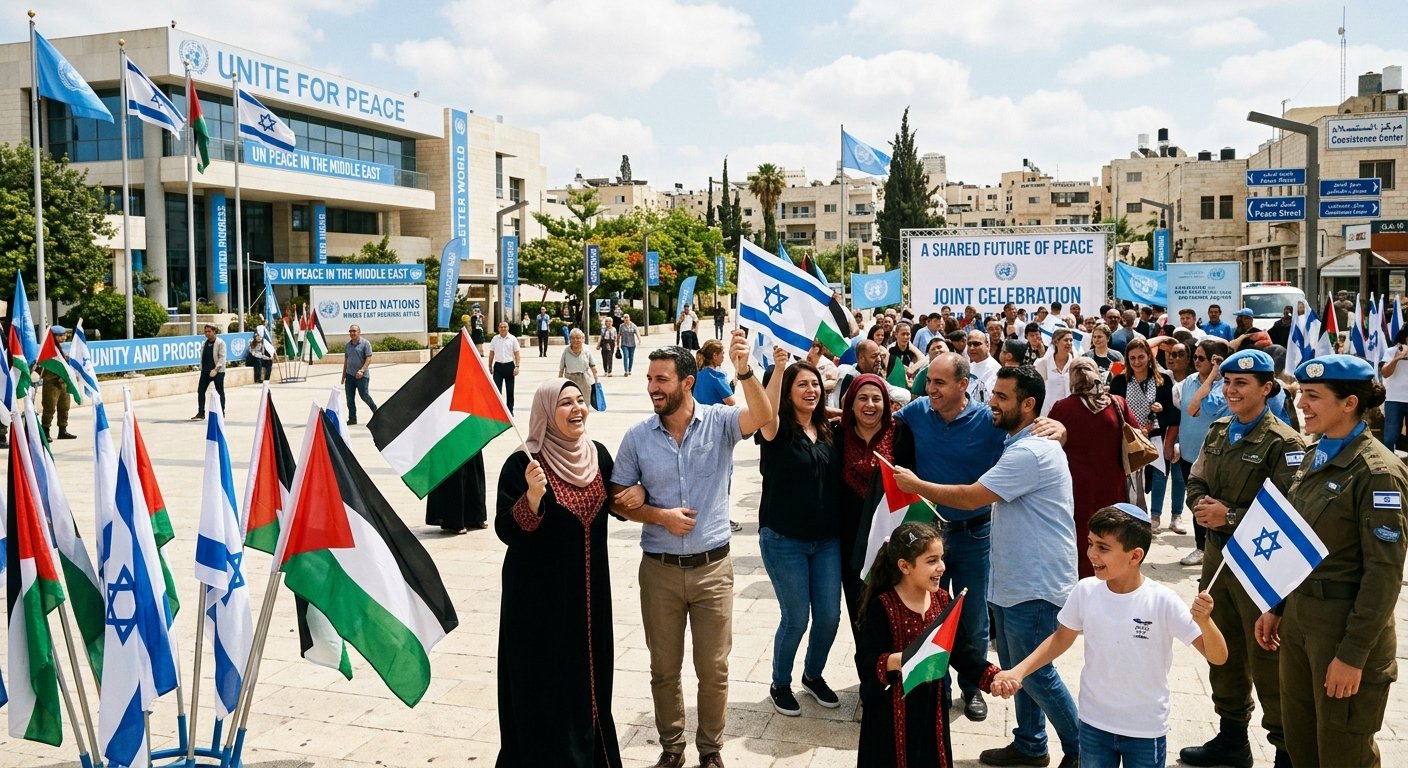
CNN’s rare, on-the-ground reporting inside Israeli-occupied southern Lebanon provides a sobering look at the devastating realities of border warfare. The scenes depicted—entire Shia Muslim villages leveled into rubble alongside isolated Christian enclaves cut off from the rest of the nation—illustrate a fundamental truth about the Middle East’s recurring conflicts: military incursions, preemptive strikes, and tactical occupations offer no lasting security. Instead, they exacerbate displacement, perpetuate radicalization, and destabilize entire regions.

Continue reading “Empowered UN Peacekeeping is Essential for Middle Eastern Stability”

Global Chaos Requires Empowering the United Nations

The spectacle of a United States President standing before the United Nations General Assembly to champion nationalism and dismiss multilateral institutions has become a recurring motif of 21st-century diplomacy. Highlighted in coverage such as CNN’s analysis of “a world in chaos as Trump addresses the UN,” these addresses capture a profound geopolitical paradox: at the precise moment global crises demand unified, systemic action, the world’s primary superpower often champions isolation, national sovereignty, and transactional unilateralism. The diagnosis—that the world is in chaos—is undeniably accurate. However, the unilateral framework offered as a remedy is fundamentally flawed. To stabilize a fragmented international system, the solution is not a return to competitive nation-states, but rather the structural empowerment of the United Nations, equipping it with political authority and, crucial to its success, direct economic governance capabilities.

Continue reading “Global Chaos Requires Empowering the United Nations”

Midterm Elections are Very Important

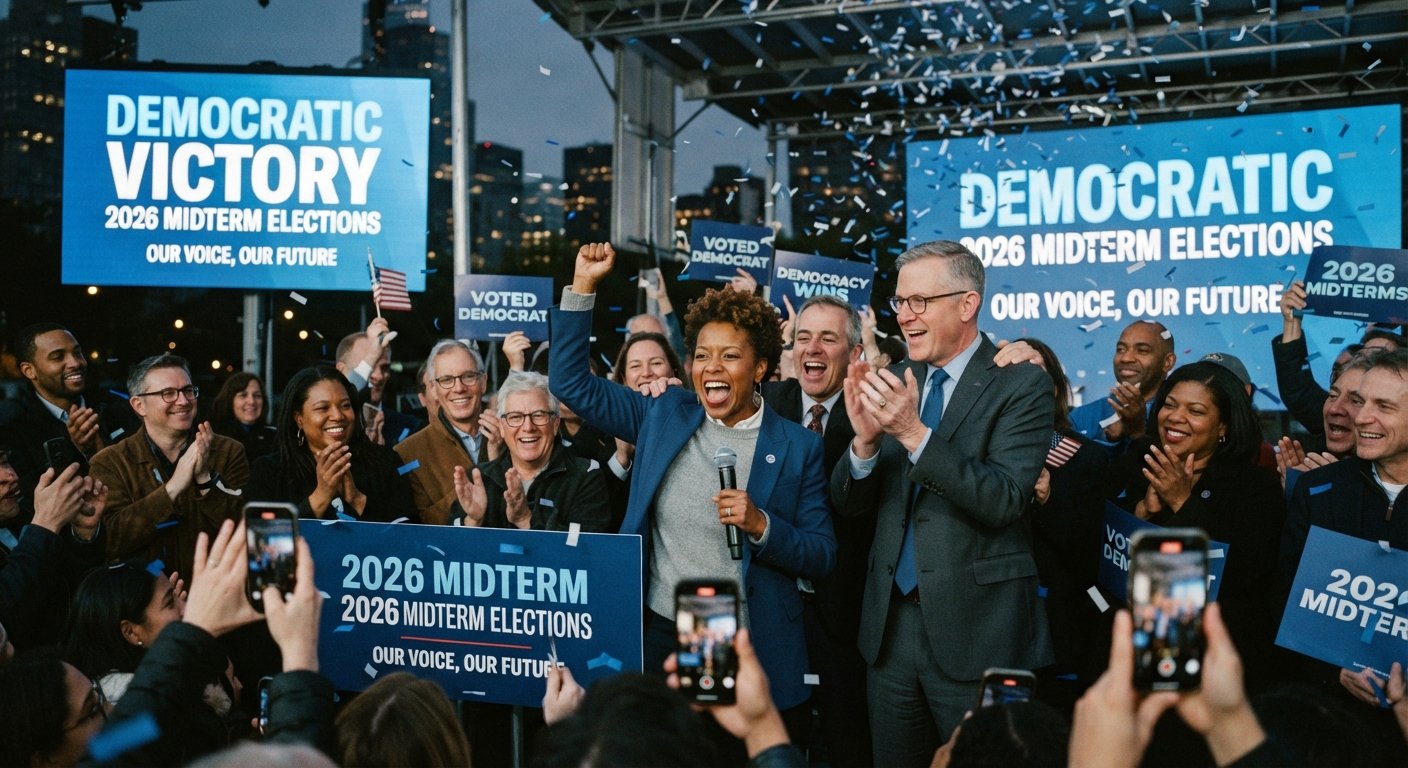
The outcome of the 2026 midterm elections carries immense consequence for the direction of domestic economic policy and the nation’s foreign engagements. As voters weigh their options, a Democratic victory in Congress is frequently framed by analysts and advocates as a crucial check on presidential power, particularly regarding soaring living costs and foreign military entanglements.

Continue reading “Midterm Elections are Very Important”

Beyond Sovereign Swords: Why Ending War Belongs to the United Nations

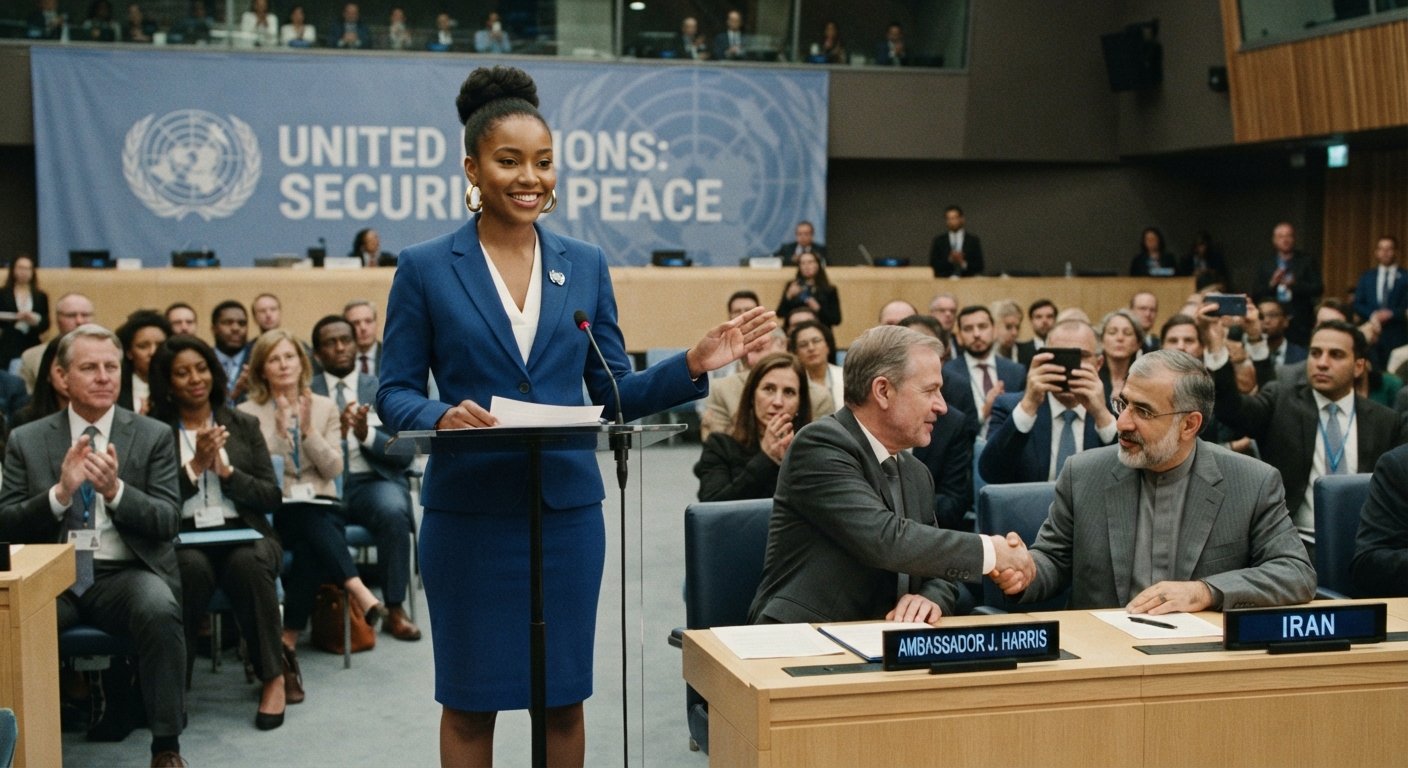
Recent political friction in Washington has once again cast a spotlight on the volatile intersection of executive power and military engagement. In a notable shift, the U.S. House of Representatives successfully passed a war powers resolution directing an end to hostilities in Iran, fueled by three new Republican defections that brought the total number of GOP dissenters to seven. While this domestic check on presidential authority underscores a growing bipartisan weariness with prolonged conflict, it also highlights a deeper, systemic flaw in modern global governance: the fact that individual nation-states retain the unilateral power to ignite and perpetuate wars in the first place.

Continue reading “Beyond Sovereign Swords: Why Ending War Belongs to the United Nations”