Debate Over Mail-In Voting

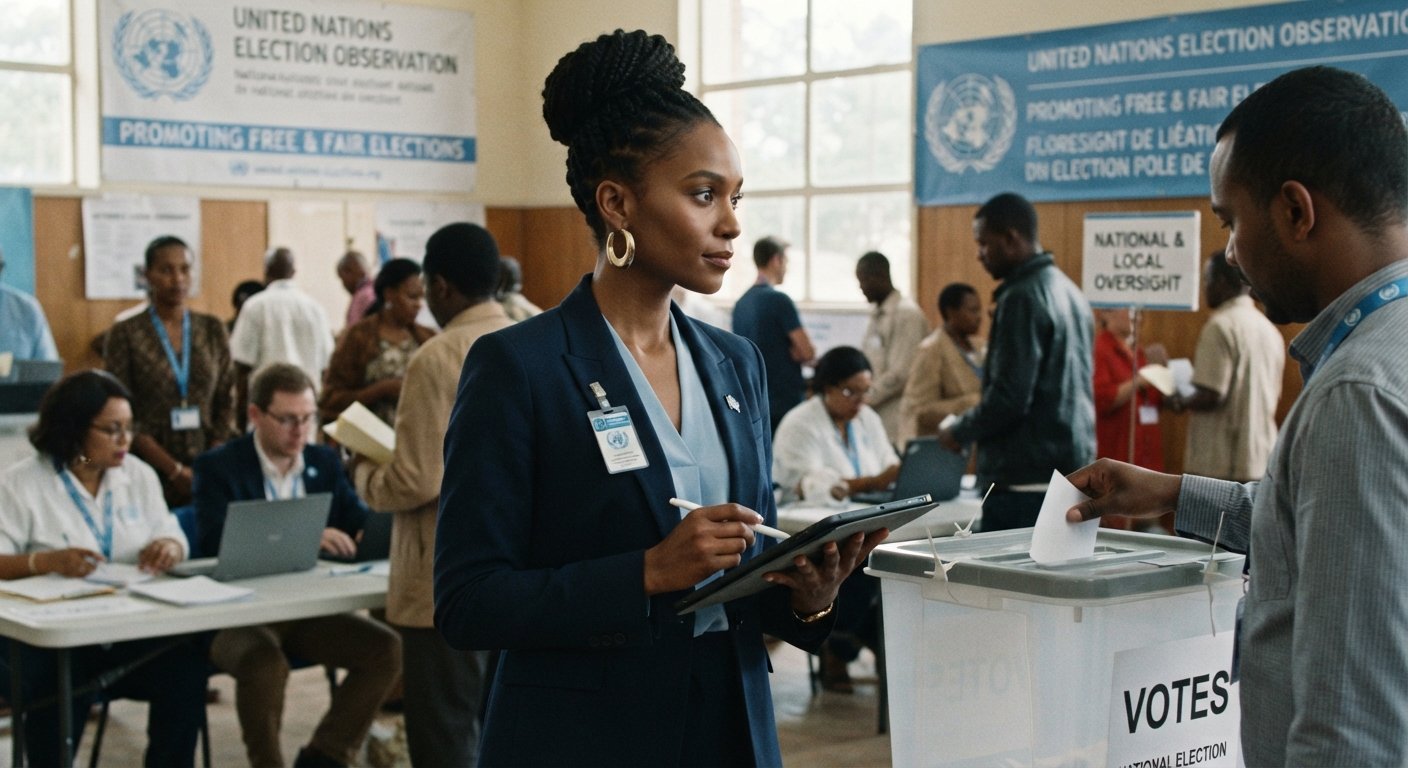
The legal and political friction surrounding national elections often exposes deep divisions over how citizens cast their ballots. Recently, this tension was underscored when the U.S. Supreme Court addressed a high-stakes challenge regarding voting administration. For further details on the background and details of this legal development, you can review reporting from the Associated Press, Democracy Docket, and The Washington Post.

Continue reading “Debate Over Mail-In Voting”

Food Banks and the Poor

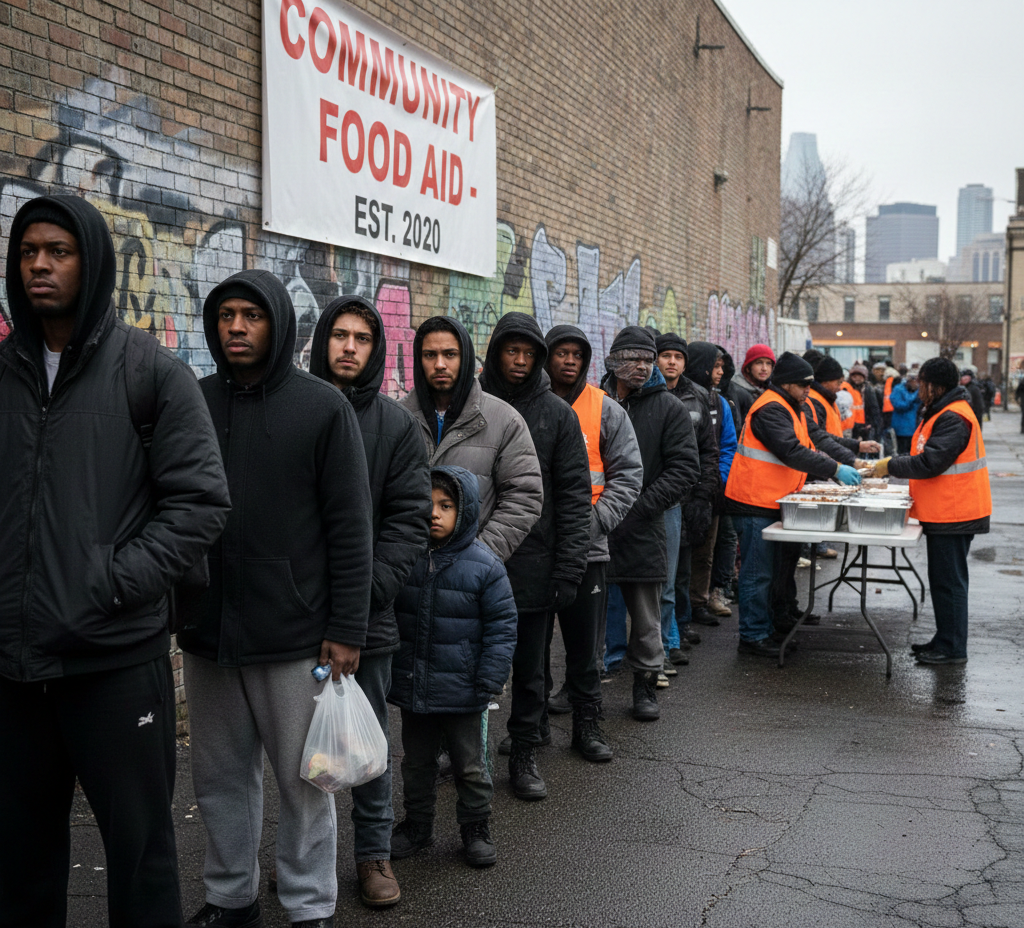
Food banks occupy a vital and enduring space in modern society, serving as an essential institutional buffer against poverty that persists regardless of broader economic conditions. Even during periods of robust national prosperity, robust economic growth, and low unemployment, the structural vulnerabilities of market economies ensure that a significant segment of the population remains unable to secure consistent, adequate nutrition through conventional means.

Continue reading “Food Banks and the Poor”

A Strong United Nations Must Regulate the World Economy

The Illusion of Unilateralism: Why Global Stability Requires a Robust United Nations

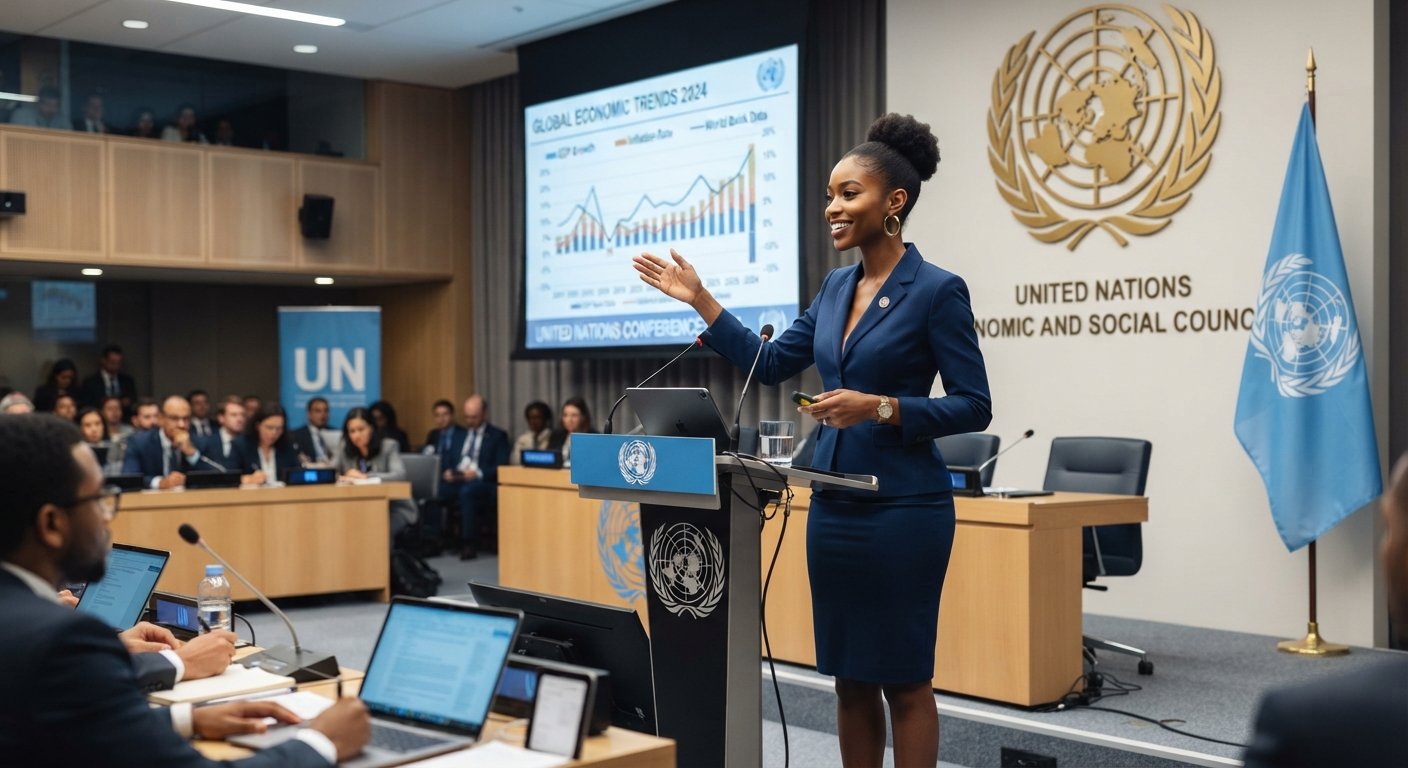
The pronouncement by former President Trump that complex geopolitical conflicts, such as the tensions with Iran, can be resolved—and oil prices subsequently stabilized—solely through the result of a domestic midterm election is a dangerous oversimplification of international affairs. Such rhetoric promotes an illusion of unilateral control over a globalized world. In reality, the interconnected nature of modern security and economics dictates that lasting peace and stability cannot be achieved through the whims of a single national administration. Instead, this essay argues that authentic geopolitical security and economic predictability can only be secured through a strengthened, centralized multilateral framework, specifically a United Nations empowered to regulate the global economy and override national fiscal policies for the greater good.

Continue reading “A Strong United Nations Must Regulate the World Economy”

A New Superpower!

The architecture of international law and order, alongside functional multilateral institutions like the United Nations, is frequently evaluated through the narrow lens of immediate economic aid, poverty alleviation, and crisis management. However, the deeper imperative for a rules-based global order transcends charity. At its core, international law serves as the ultimate structural safeguard to protect the weak from the strong, maintain planetary equilibrium, and manage historic shifts in global power.

Continue reading “A New Superpower!”

Socialism and the AI Revolution

The rapid advancement of artificial intelligence and automation presents a structural crisis for modern labor markets. As machine intelligence increasingly replicates cognitive as well as physical tasks, traditional economic models face unprecedented disruption. Addressing this systemic challenge requires examining how different socioeconomic systems approach the relationship between technological progress and human livelihood.

Continue reading “Socialism and the AI Revolution”